Food, Drinks, and a Whole Lot of Local Flavor
TEXT I JENNA LYNN CODY
PHOTOS | CHEN CHENG-KUO
The US has its bars, and the UK has its pubs. In Taiwan, one of the most popular ways to spend a night out is at a “beerhouse,” a bistro-like place that offers good food alongside an extensive drink menu that often includes far more than beer. Similar to Japanese izakaya culture, in Taipei these establishments frequently offer Taiwanese food as well as local plum wine, sake, or millet wine. Many have connections to the local community and take cues from the Taiwanese aesthetic in their decor.
Ka-láh-á
Nestled among the working-class storefronts on Dongyuan Street deep in Taipei’s heritage-heavy Wanhua District, Ka-láh-á prides itself on its community connections and roots. Founded by Chris Liu and his wife in 2017, the intimate beerhouse features elevated cuisine exclusively using Taiwanese ingredients along with an innovative drink selection.
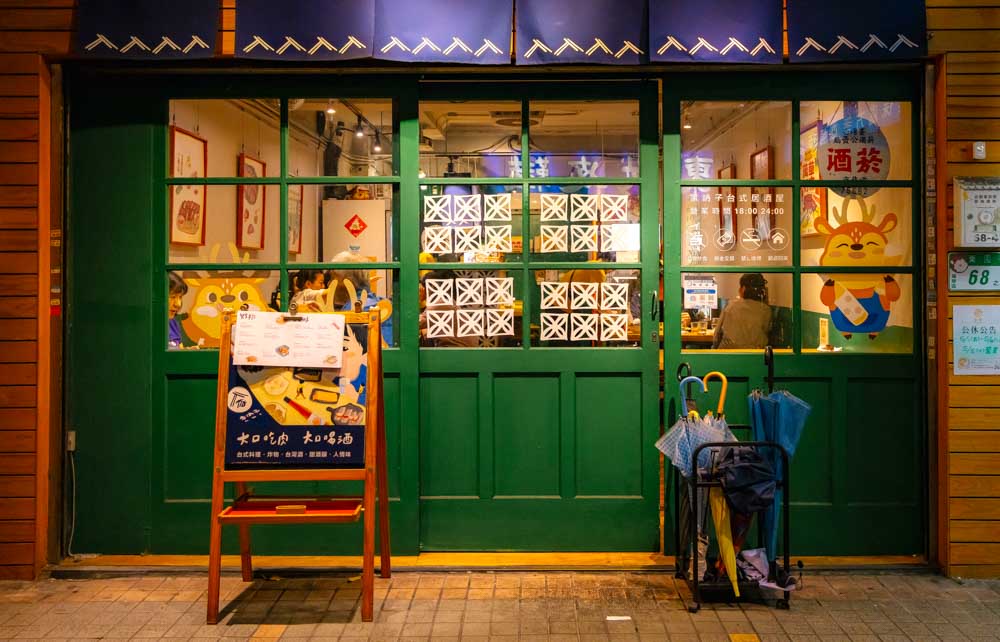
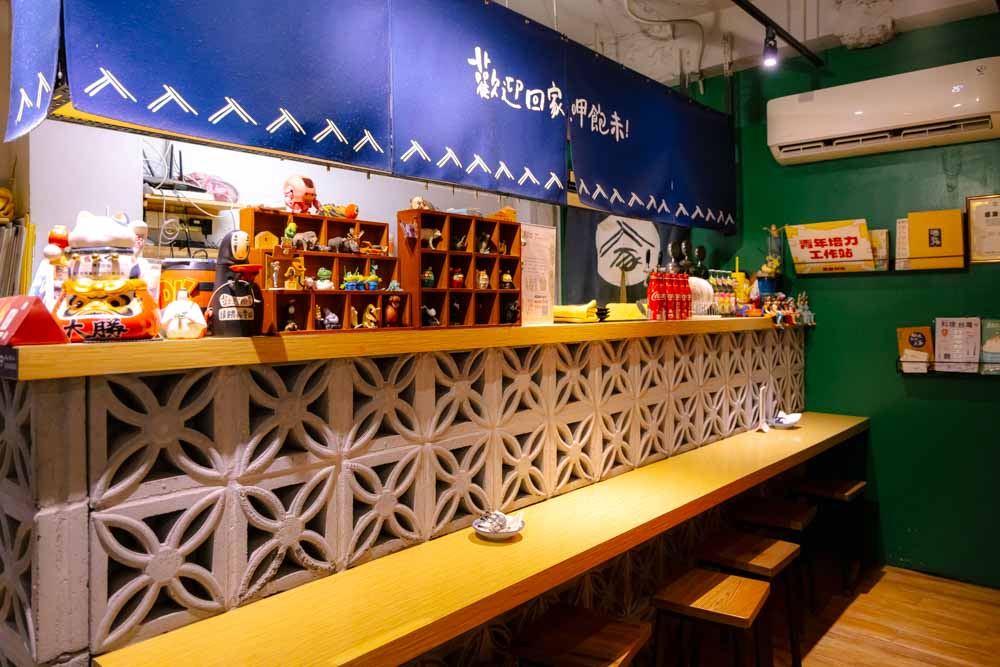
The interior, like the food, is simple, straightforward, and very Taiwanese. Half-green/half-white walls are meant to evoke a sense of home while harkening back to the area’s history as a quasi-industrial zone. The setting is intimate, with most tables seating two to four people. Instead of baskets to hold patrons’ bags, old-fashioned red, blue, and green striped plastic shopping bags are available.
Many of the ingredients at Ka-láh-á are from the nearby Huannan Market, which Liu calls the “refrigerator of Taipei” for its abundance of fresh meat and produce, further cementing Ka-láh-á’s place as a local institution with deep neighborhood ties. Ingredients for some seasonal items are sourced from Taitung County, where the couple enjoys vacationing far from the big city in areas with strong Indigenous culture.
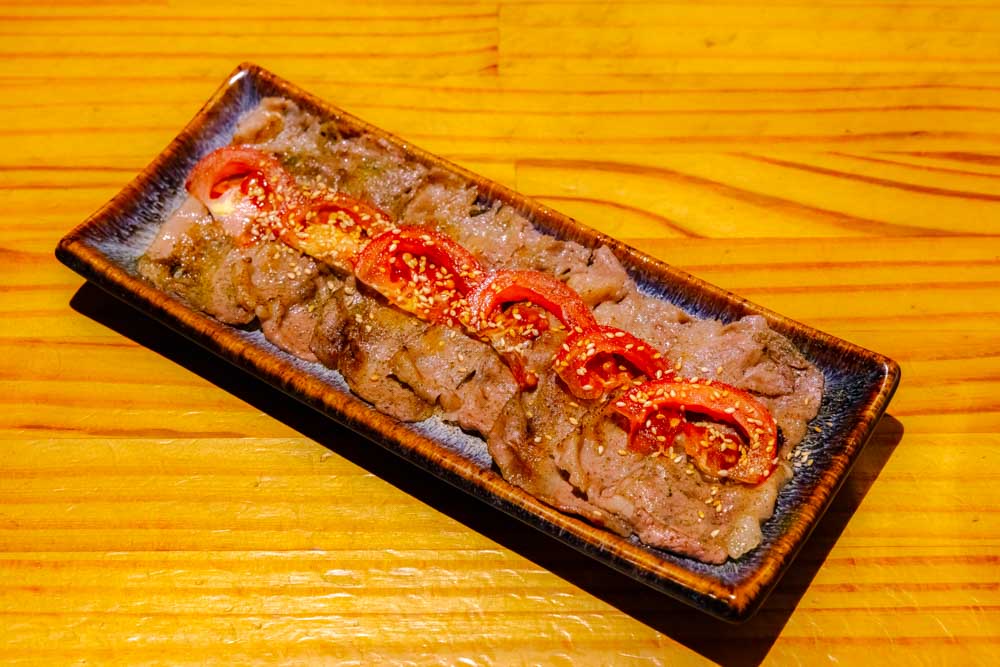
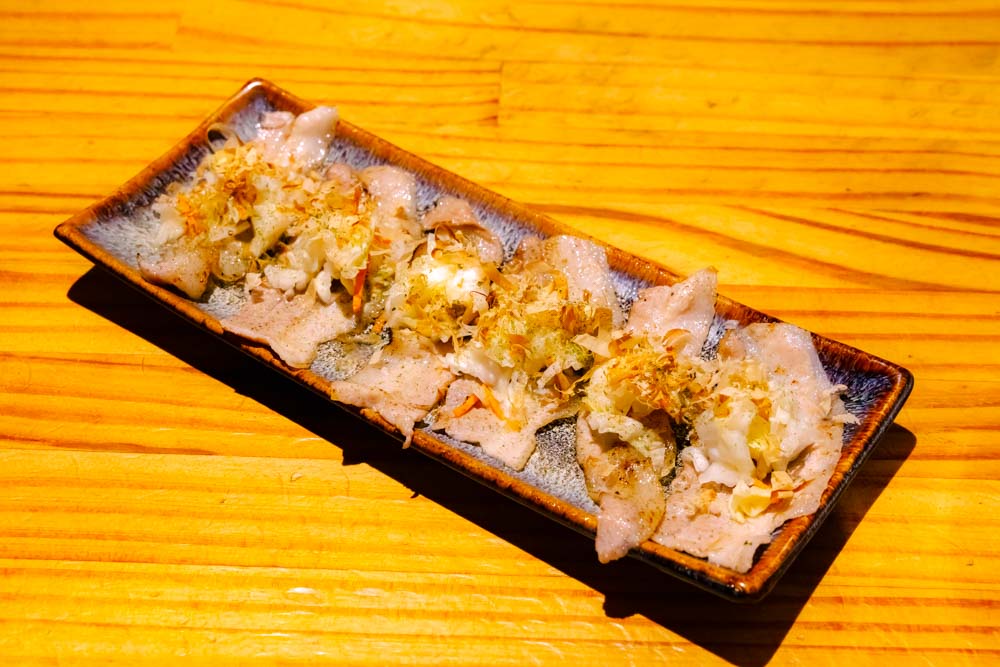
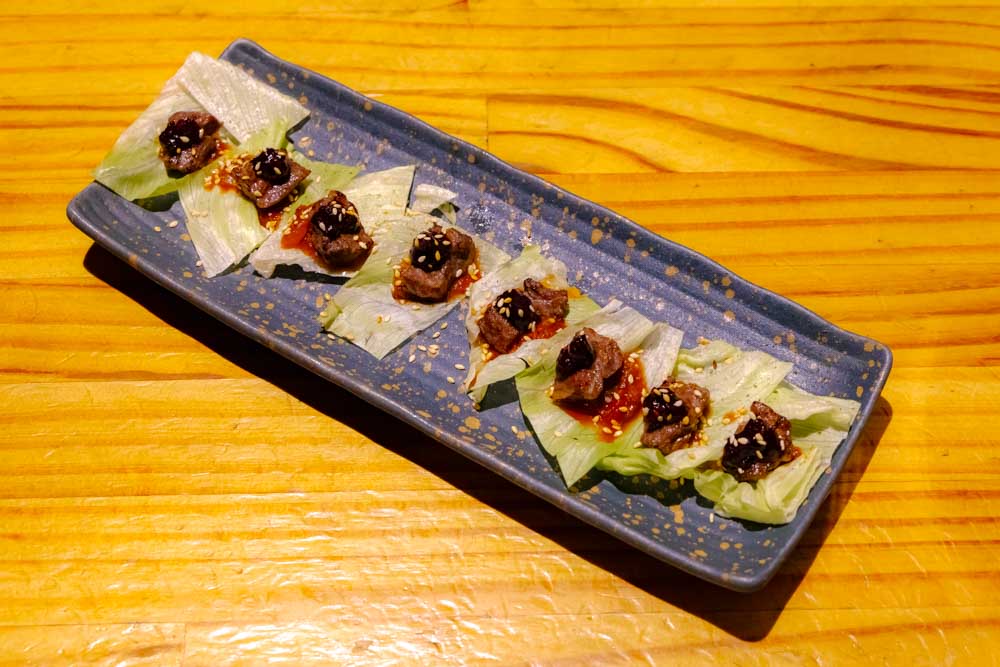
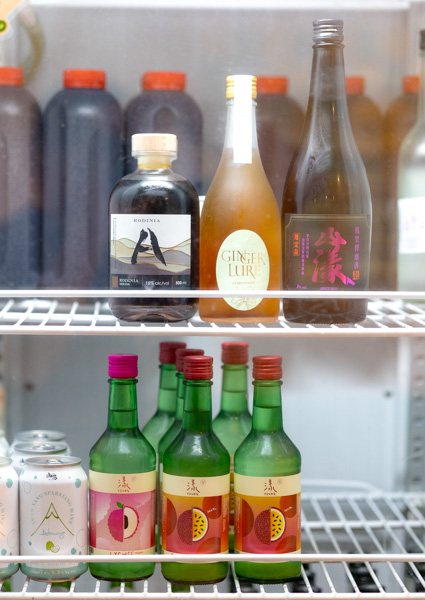
Many dishes at Ka-láh-á are meant to be shared. The silaw showcases traditional Amis-tribe pickled pork, lightly seared and served atop seared sticky rice with a roselle preserve. The “Tomato Beef” pairs fresh, juicy tomato with succulent, thinly sliced beef. The “Taiwan-style Pao Pao Pork” contrasts luscious pork with astringent Taiwanese-style kimchi, and the “Roselle Beef” features miniature beef bites topped with roselle salsa and white sesame seeds. Wash it all down with beer, or try – if in season – Taitung custard apple liqueur for another type of refreshing, local beverage.
Ka-láh-á | 家吶子台式居酒屋
Tel: (02) 2339-3582
Add: No. 68-4, Dongyuan St., Wanhua District, Taipei City
(台北市萬華區東園街68號之4)
Hours: 6pm-12am, closed Mon & Tue
IG: www.instagram.com/kalaha.2017
FB: www.facebook.com/kalaha.2017
Website: ka-lah-a.com.tw
Uncle A Bo Lang Taiwan Bistro
One unique thing about Taiwanese bar culture, especially beer culture, is the prevalence of dumplings on the menu. Drinks and dumplings are a perfect match, so it’s no surprise that one of Taipei’s most popular beerhouses is also known for exactly this combination.
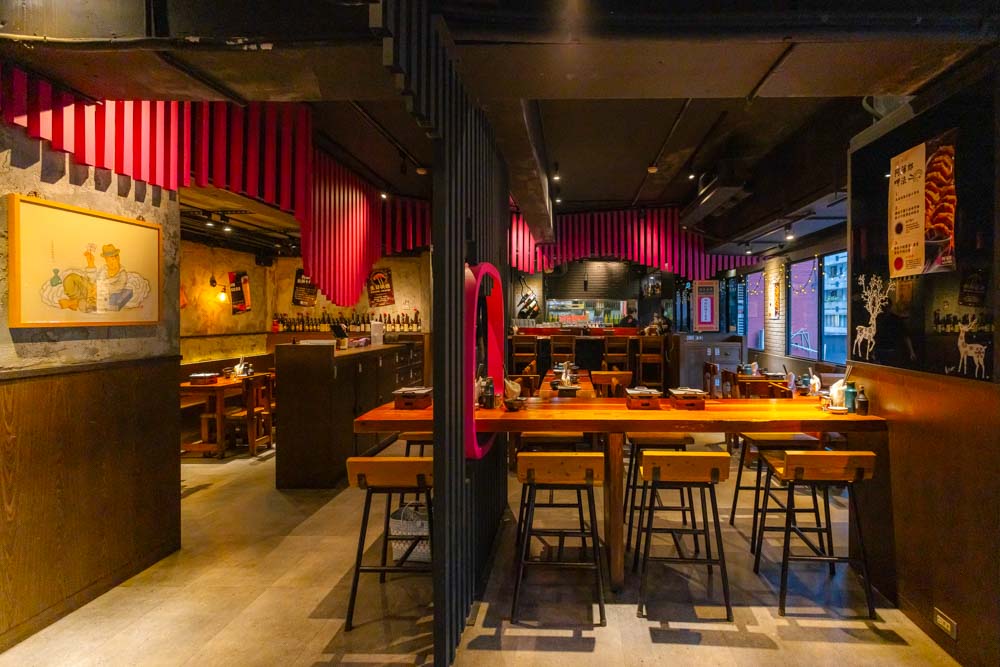
Uncle A Bo Lang Taiwan Bistro, located just a few steps from Exit 1 of MRT Zhongxiao Dunhua Station, carries on a long-standing local dumpling tradition with its signature “thin-skinned” dumplings, with a special technique employed to ensure that the skin of each dumpling is only 0.5mm thick. This technique is popular in Japanese and several styles of Chinese dumpling making. In Taipei, it was perfected by chefs in Wanhua District’s Dongyuan Market in the mid-20th century. Since nowadays, there aren’t many dumpling masters left who can achieve a skin this thin, making A Bo Lang’s dumplings a rare treat.
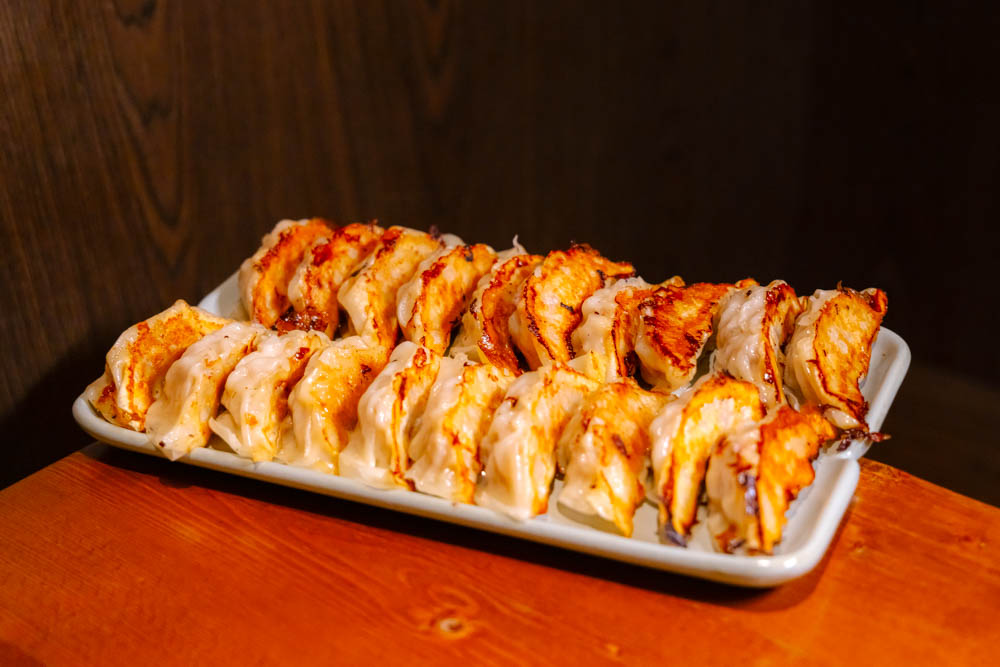
Thin dumpling skin is made by adding boiling water to flour; the water’s heat allows the starch in the flour to gelatinize into long chains that act like polymers, creating a dough that is pliable and soft but won’t break when stretched until translucent and cooked. This method allows the plump filling to peek through and produces an especially crispy potsticker.
A Bo Lang offers thin-skin dumplings that are steamed, deep-fried, or pan-fried, with fillings such as pork with cabbage, golden corn, and Taiwanese chive. Its “Three Brothers Dumplings” offering is three dumplings of three different flavors that are served with a mayonnaise dipping sauce. The “Deep-fried Tiger Prawn Chive Dumplings” are extremely long steamed dumplings, each containing one massive giant tiger prawn. The “Iron-plate Cheese Dumplings” come swimming in gooey cheese that sticks to the dumplings’ crispy “skirt” of web-like fried dough.
Of course, dumplings aren’t the only thing on the menu at A Bo Lang. Like any good Taiwanese beerhouse, it offers a variety of barbecued yakitori on sticks, including Taiwanese-style tempura (made with fish paste), chicken thigh with onion or pomelo, and various kinds of mushrooms and tofu, each seasoned and grilled to perfection. The most popular meat dishes are the “Fatty Pork with Onion,” beautifully textured grilled “Milkfish Belly,” which is a Taiwanese specialty, “Thick-cut Steak,” and “Taiwanese black-pork sausage.”
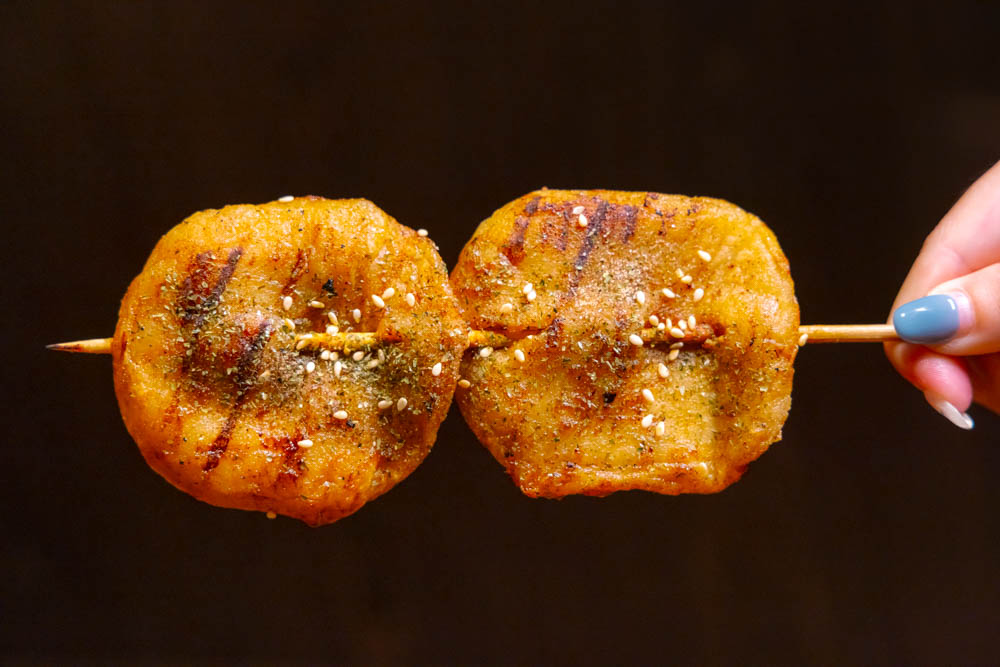
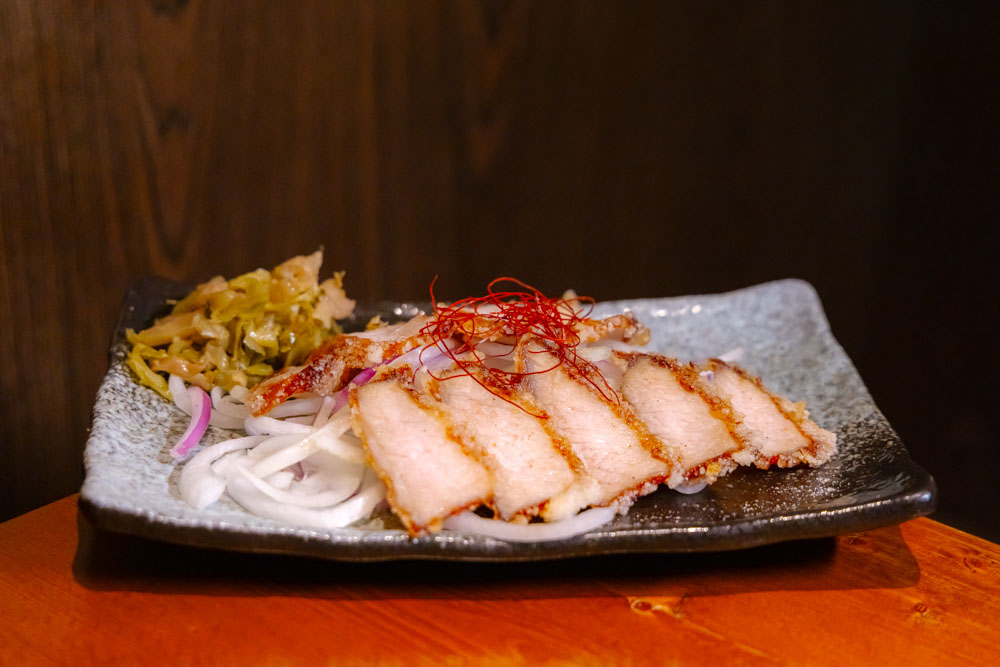
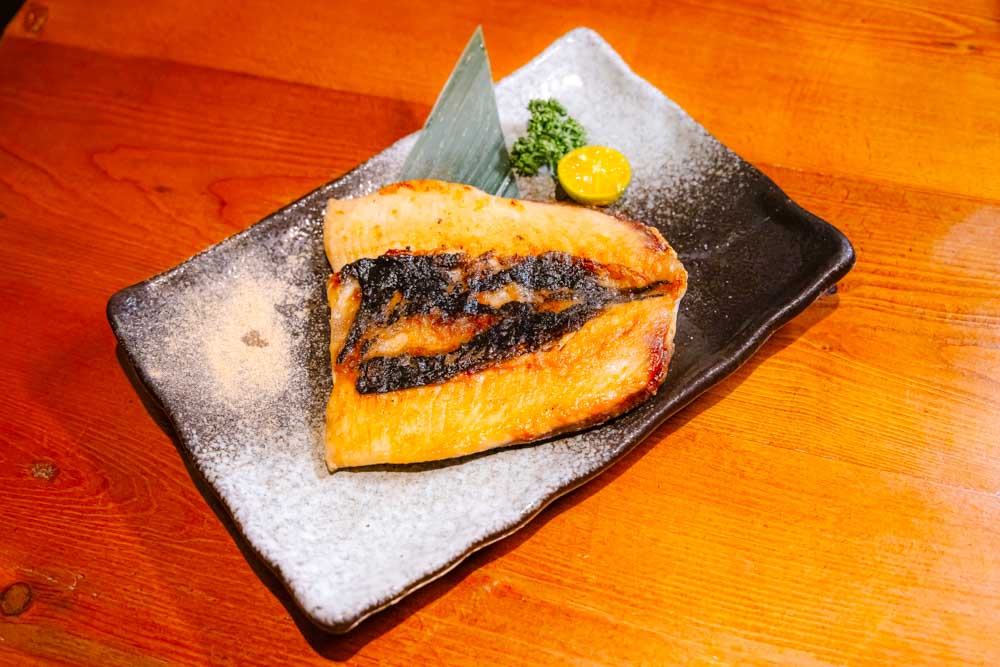
The drink menu is just as generous, with Taiwanese and imported beers, plum wines, sake, and more. The Taiwan Beer Only 18 Days draft, which has no preservatives and thus only keeps for 18 days, is one of the bestsellers.
Proprietor Hamilton Peng named the restaurant A Bo Lang in part as a reference to the thin skin of the dumplings (bo means “thin” in Mandarin), but also as a way of giving the bistro a unique personality. “A Bo Lang” sounds like a Taiwanese-style nickname, and the name is accompanied by the image of an avuncular man in a vintage outfit.
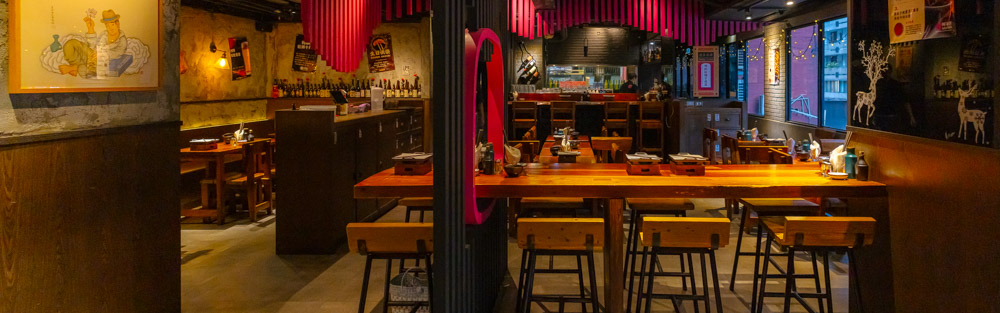
The point is to bring a sense of Taiwaneseness to an izakaya, originally a Japanese concept, and not to bank on nostalgia with the branding or decor. Uncle A Bo Lang Taiwan Bistro is decorated with touches of brick, art, calligraphy, and old-style textured glass, with wooden tables and chairs that are reminiscent of, but not the same as, bygone-days Taiwanese school furniture. This is combined with more modern accents in red and black, referencing but not copying the colors of Hakka-style floral fabric, also a Taiwanese staple.
Uncle A Bo Lang Taiwan Bistro | 阿薄郎薄皮餃子台式小酒館
Tel: (02) 8771-6686
Add: 2F-2, No. 177, Sec. 4, Zhongxiao E. Rd., Da’an Dist., Taipei City
(台北市大安區忠孝東路四段177號2樓之2
Hours: Mon-Thu11:30am-2pm, 5:30pm-10pm
Fri-Sun 11:30am-2:30pm, 5pm-12am
IG: instagram.com/a_bo_lang_taiwan_bistro
FB: facebook.com/UncleABoLangTaiwanBistro
Zen Food
Dumplings aside, other popular dishes to order on a night out include grilled skewers—meat, vegetables, and seafood cooked over fire—or Taiwanese-style fried chicken. Few Taiwanese beerhouses do these dishes better than Zen Food, located near MRT Daan Station.
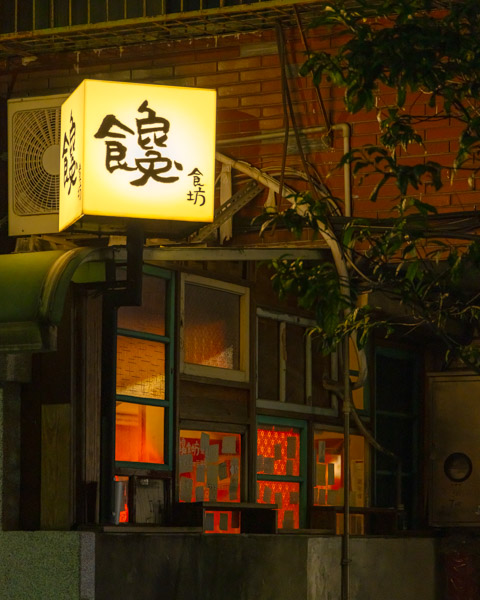
For the past few years, Zen Food has been the place where all the “cool kids” go to eat and drink. The vibe is cool indeed: situated in a quiet residential neighborhood down the street from two hip coffeehouses, the exterior, with carved cement ventilation bricks and old-fashioned steel window grates, is a synecdoche of Taiwan. The interior is clad in painted cement and patterned tile, like a 1970s Taiwanese abode. The night-market-style menu over the open kitchen and long bar-style seating are pure Taiwanese “street food” style.
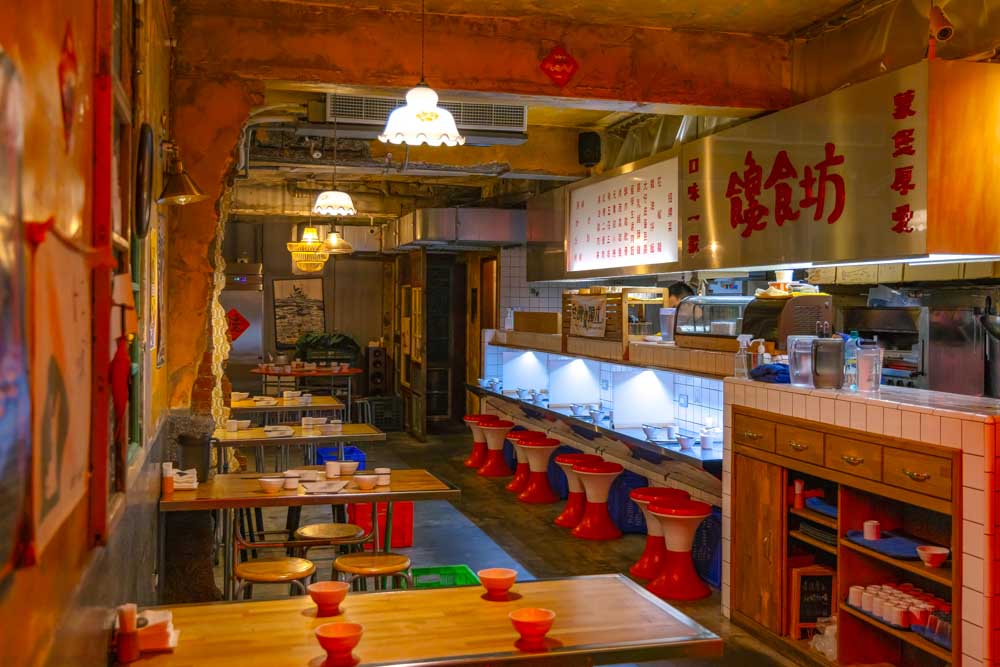
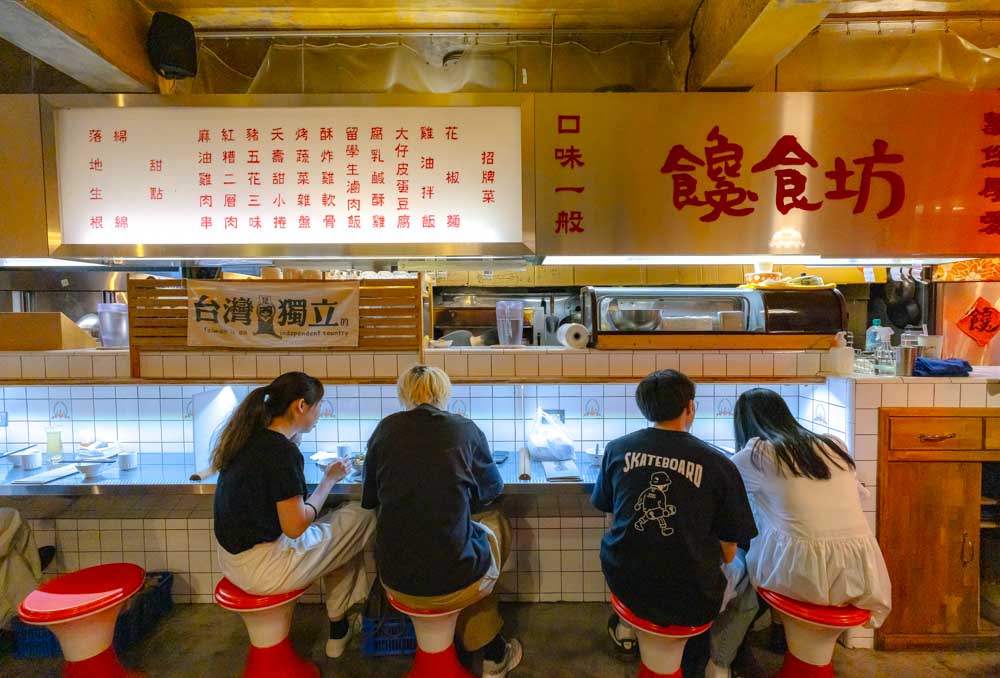
Zen Food did not set out to be an izakaya-style eatery. The team started with little to no experience in the restaurant industry, but some were accomplished home cooks. They originally envisioned an elevated take on Taiwanese fried chicken, but ultimately chose to build the entire menu around one item: preserved tofu fried chicken. Yakitori, numbing-spicy flower pepper noodles, fried tofu, and other dishes were thereafter introduced to fill out the restaurant’s offerings.
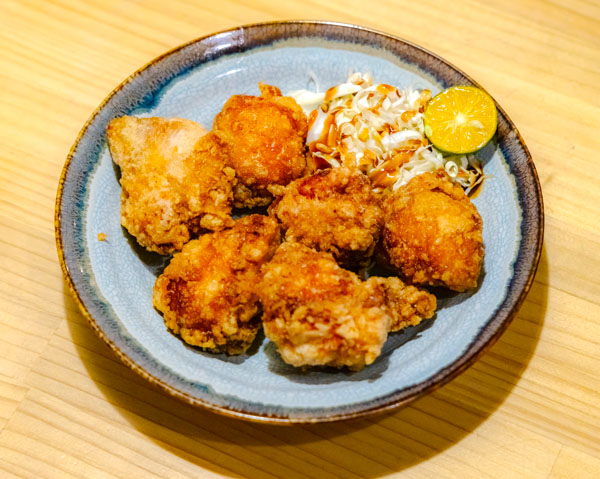
The “Preserved Tofu Fried Chicken” is truly excellent, especially after squeezing the calamansi that accompanies it over the freshly cooked pieces. Not everyone likes the pungent, fermented taste of preserved tofu, but Zen Food keeps it light so that the taste is not overwhelming. The most important aspect of great fried chicken is juiciness, and the chefs prioritize this so there is never a dry bite.
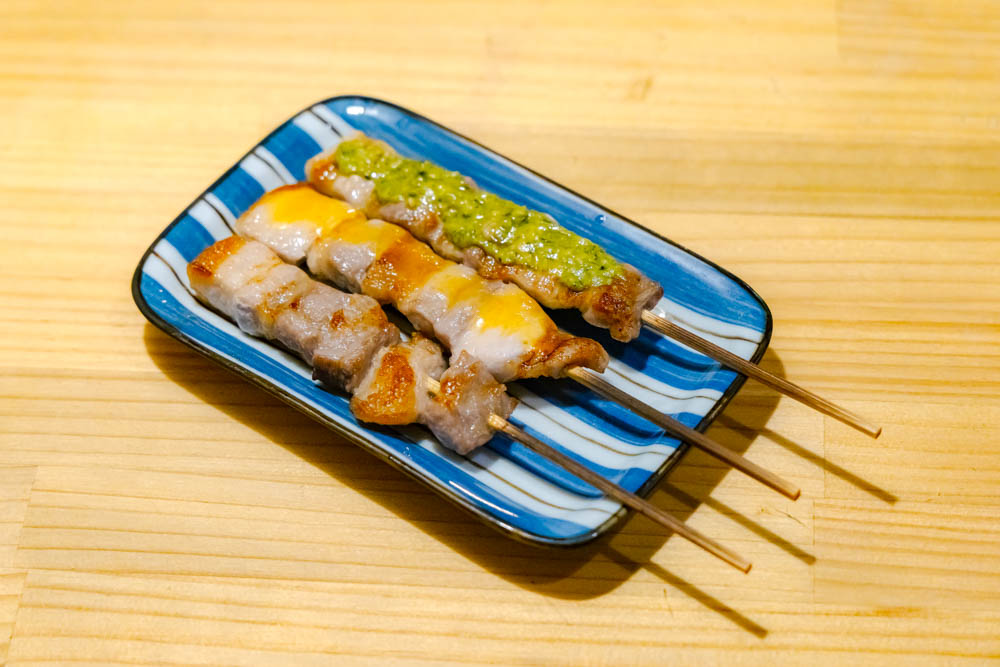
For the grilled skewers, a standout dish is the “Three-way Grilled Pork Belly.” This unique dish comes with three pork skewers: original, which is lightly salted; Hakka-style kumquat sauce, which has a complex citrus flavor; and the chef’s signature pesto, made with Taiwanese basil, Taiwanese chives, ground almonds, and bitter tea oil. Other popular yakitori dishes are the “Breaded and Fried Garlic Cloves” (on the menu as a pun on “forget it,” the Chinese for “garlic” and “forget it” pronounced the same) and “Beef Rib with Garlic Sauce.”
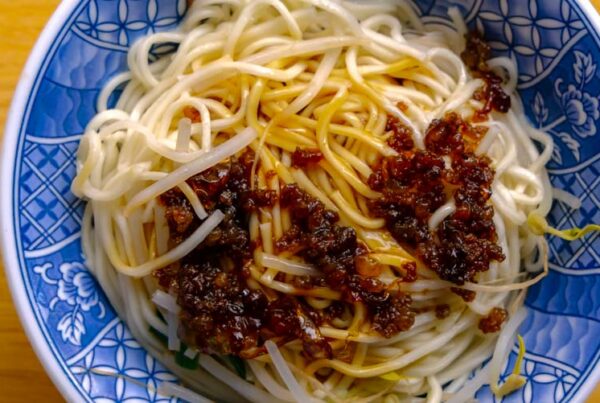
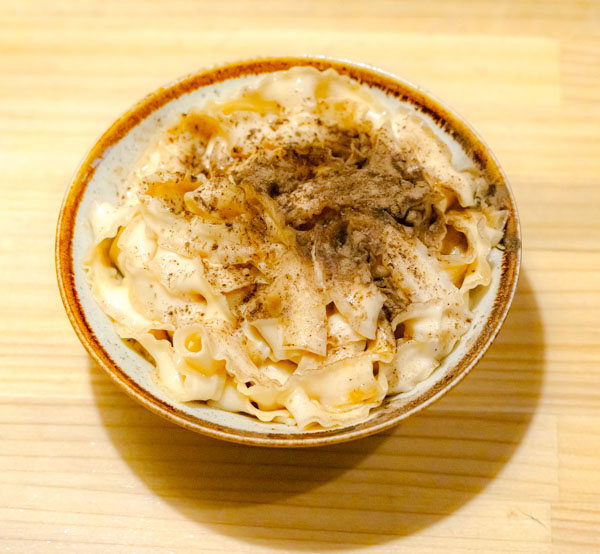
The numbing-spicy flower pepper noodles (titled “Sichuan Pepper on Noodles” on the menu) are a popular carbohydrate to accompany yakitori: the dish looks deceptively simple, seasoned just with pepper, salt, and oil, but the taste is unforgettable. The “Thick Potato Wedges” are also satiating.
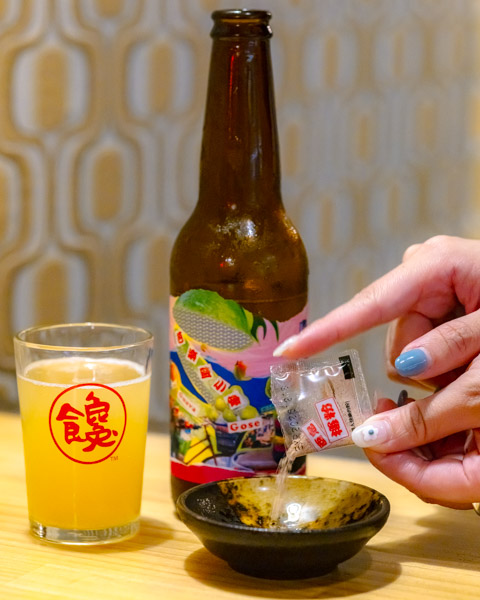
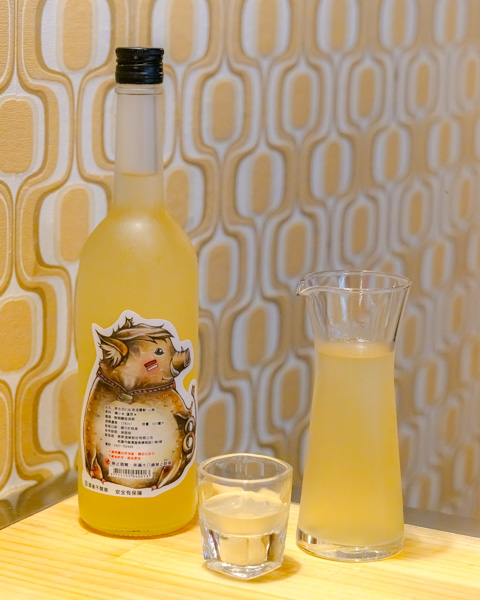
Zen Food’s drink selection is entirely Taiwanese. Among the many beers on offer, the Taiwan Beer Only 18 Days draft is the most popular; other beers are listed under different breweries, including North Taiwan Brewing and 55th Street Craft Brewery. Also well-regarded are the extensive plum wine and sake selections, as well as the several cocktails on offer. More popular than all of these, however, is the list of millet wines. Millet wine is a product made by Taiwan’s indigenous tribes, and can be difficult to find outside Taiwan. No Taiwanese spirits-sampling experience is complete without having tried it. The singular millet wine to try is the “Penglai rice fragrance mountain boar” millet wine. The name references a popular rice cultivar in Taiwan, with the flavor coming from this kind of rice, purple rice, and millet. It’s complex and a little pungent, and the perfect accompaniment to fried chicken or grilled meat.
Zen Food | 饞食坊
Add: No. 58, Ln. 30, Sec. 4, Xinyi Rd., Da’an Dist., Taipei City
(台北市大安區信義路四段30巷58號)
Tel: (02) 2755-5859
Hours: 6pm-2am
FB: facebook.com/zenfooood
IG: instagram.com/zenfooood
About the author

Jenna Lynn Cody
Jenna is an American woman living and working in Taipei, Taiwan.