Finding Fog, Fungi, Filial Piety, and Fault Lines in Small-Town Taichung
TEXT | AMI BARNES
PHOTOS | CHEN CHENG-KUO
Lying in Taichung City’s southeastern corner, the primarily agricultural Wufeng District has had somewhat mixed fortunes over the years. From its highs as a center of art and socioeconomic influence in Qing-era Taiwan to the lows of the 921 Earthquake almost three decades ago, each period has left something behind, making Wufeng today an excellent spot for folks who enjoy small-town vibes and varied, out-of-the-way explorations.
Look over there. Can you see the clouds coming down from the mountains?” I had been eating noodles at a roadside stall when the heavens opened, and I found myself hostage to the weather and a chatty proprietress who saw my temporary captivity as an opportunity for reminiscences. “When I was young, the fog was so thick you could barely see the road in front of your scooter!” In 2026, the wisps of mist unfurling over the distant hills definitely weren’t impinging on driving visibility, but the damp interlude did mean I had a personal demonstration of how Wufeng – a literal translation would be “foggy peaks” – got its name.
Wufeng Mushroom Museum
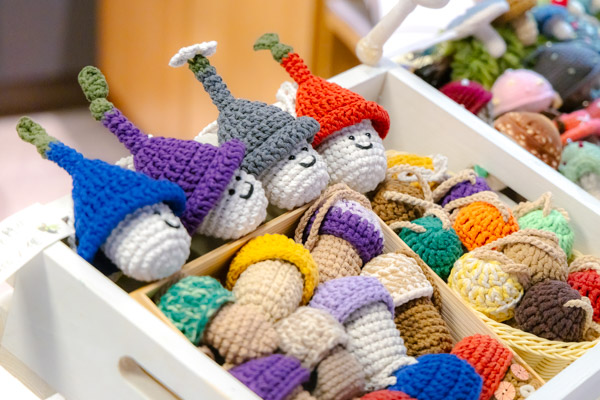
The frequent brume, it turns out, is also why the first stop on this small-town adventure exists. What thrives in damp, high-humidity environments? That’s right, mushrooms. Wufeng’s foggy, fertile land and steady supply of clean mountain water sustain a well-established mushroom-growing industry – an industry you can learn all about at the Wufeng Mushroom Museum. Occupying the sixth floor of the Wufeng Farmers’ Association building, this is the place to be if you’re a fan of fungi or a mycology maven.
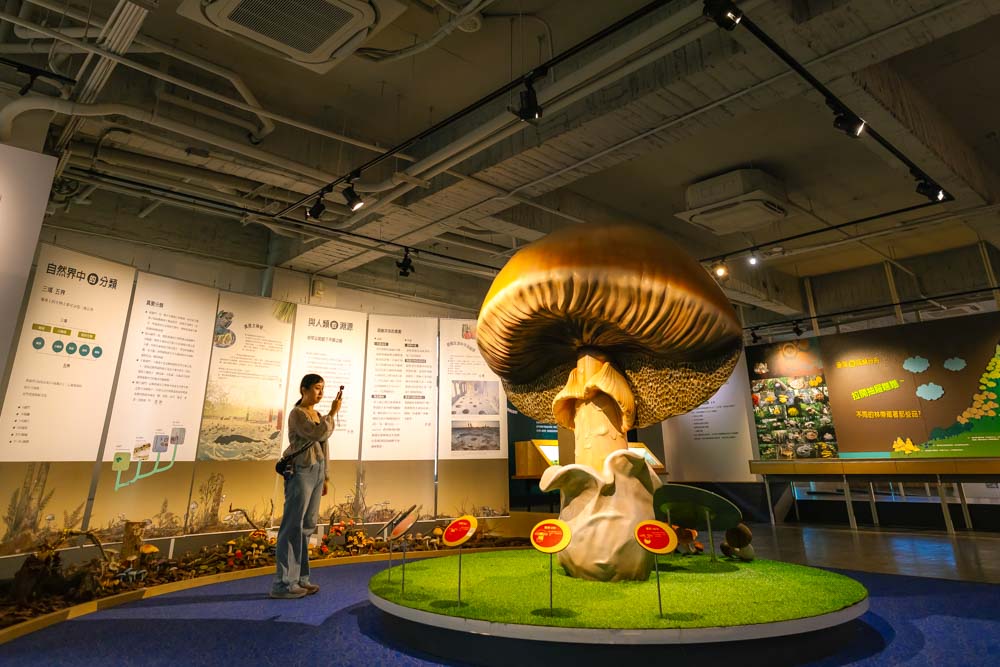
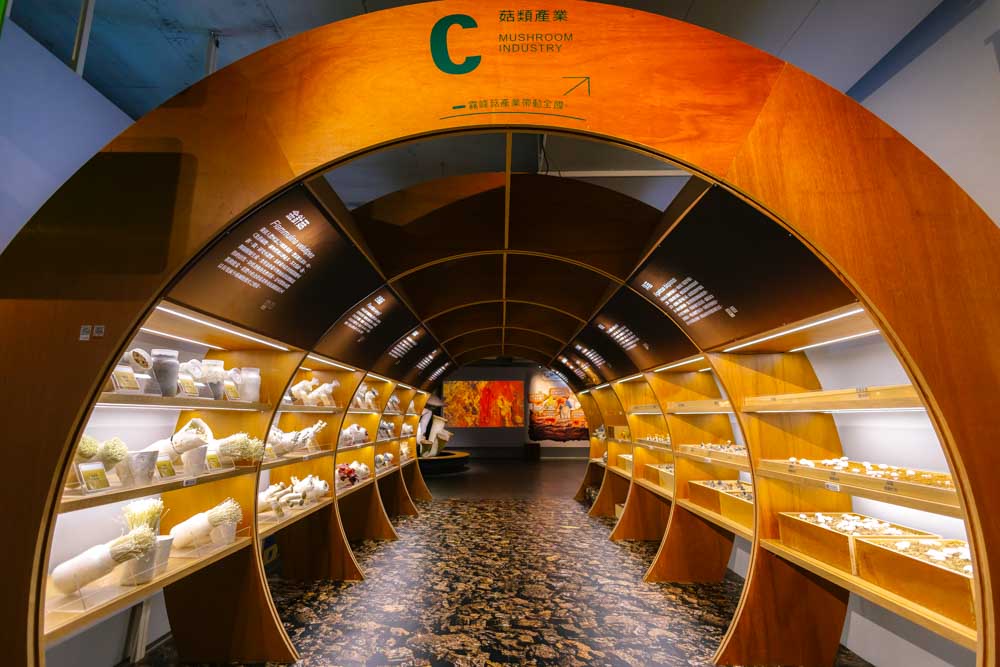
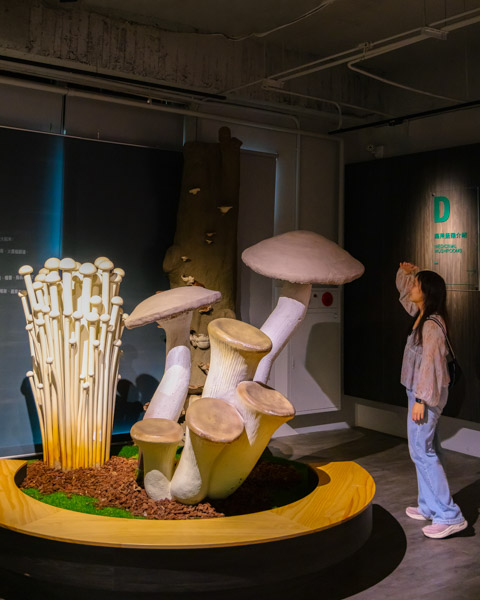
Though the wall text is Chinese-only, little QR codes beside each panel link to both English and Japanese translations, meaning that foreign tourists don’t need to miss out on learning about Taiwan’s fascinating mushroom-growing history. Think I’m being facetious? You’d be wrong. (Though I will admit that I was surprised to find myself genuinely interested in the subject matter.) Sections cover fungal biology, mushrooms in the arts and sciences, history, folklore, medicine, and gastronomy, but my personal favorite areas were the walkways showing how Taiwan’s most popular mushroom species are cultivated (where I learnt why my button mushrooms come dusted with a red clayish soil and my enoki look as if they grew squished inside a tube), and the section that presents the humble mushroom’s potential as a plastic-eating, meat-mimicking, leather-faking, packaging-replacing solution to some of the many environmental issues of our age.
Wufeng Mushroom Museum | 霧峰菇類產學館
Add: 6F, No. 10, Side Rd., Wufeng Dist., Taichung City
(台中市霧峰區四德路10號6樓)
Tel: (04) 2333-6765
FB: www.facebook.com/WeFengMushroomMuseum
Hours: Tue-Sun 9 am – 4:30 pm
Lin Family Yipu Mansion
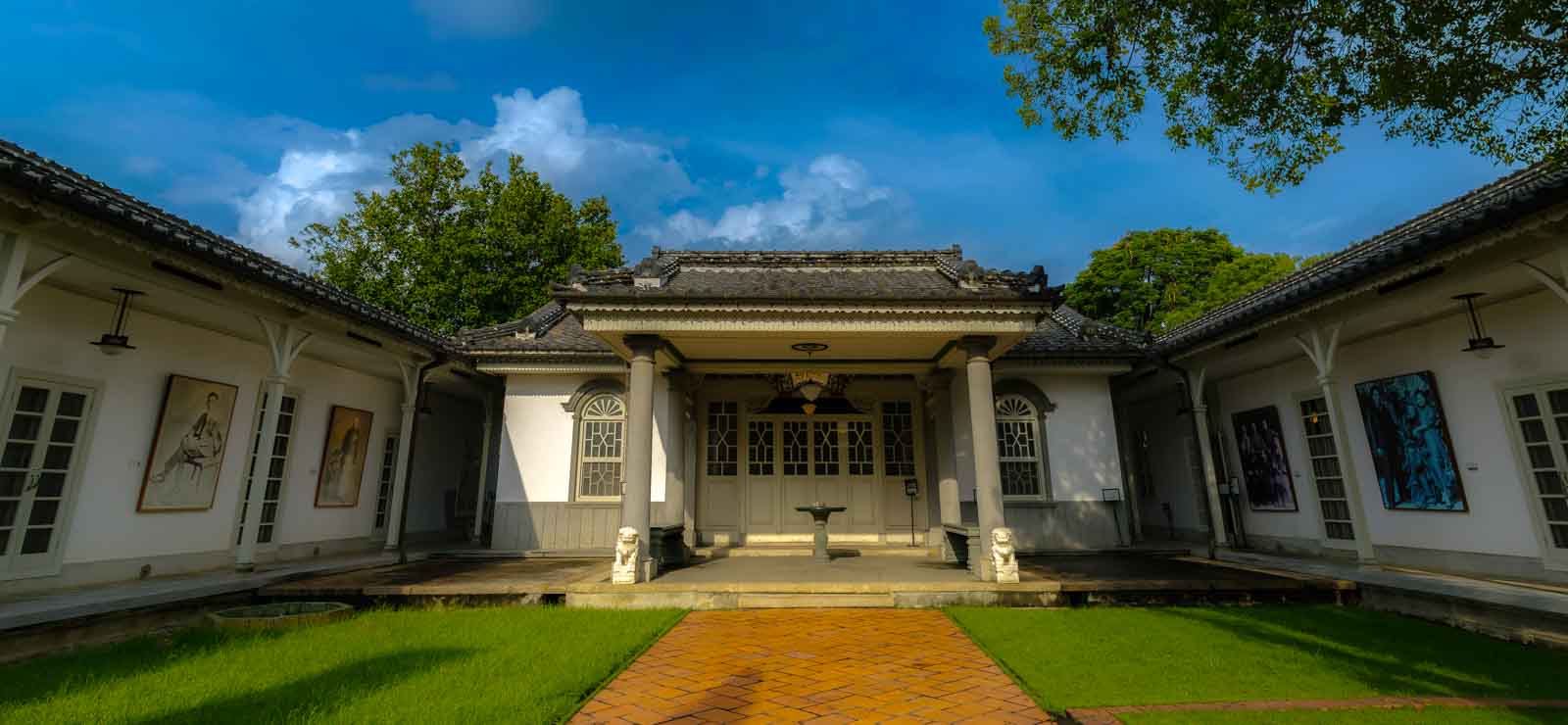
The next stop on this Wufeng wander – the Lin Family Yipu Mansion – sits at the junction of Minsheng and Laiyuan roads. Descended from Lin Shih, an immigrant from China’s Zhangzhou area in Fujian Province who sailed across the Taiwan Strait in 1746, the Lins of Wufeng dealt in camphor, sugar, and land, ascending through the 1800s to become one of the era’s wealthiest and most influential families on the island. So noteworthy were their exploits that in the 2010s they were immortalized on the silver screen in a two-part docudrama, Attabu and Attabu 2 (Attabu being the earlier indigenous name for Wufeng). The Lin Family Yipu Mansion is one of several Lin-related sites clustered in this pocket of Wufeng District.
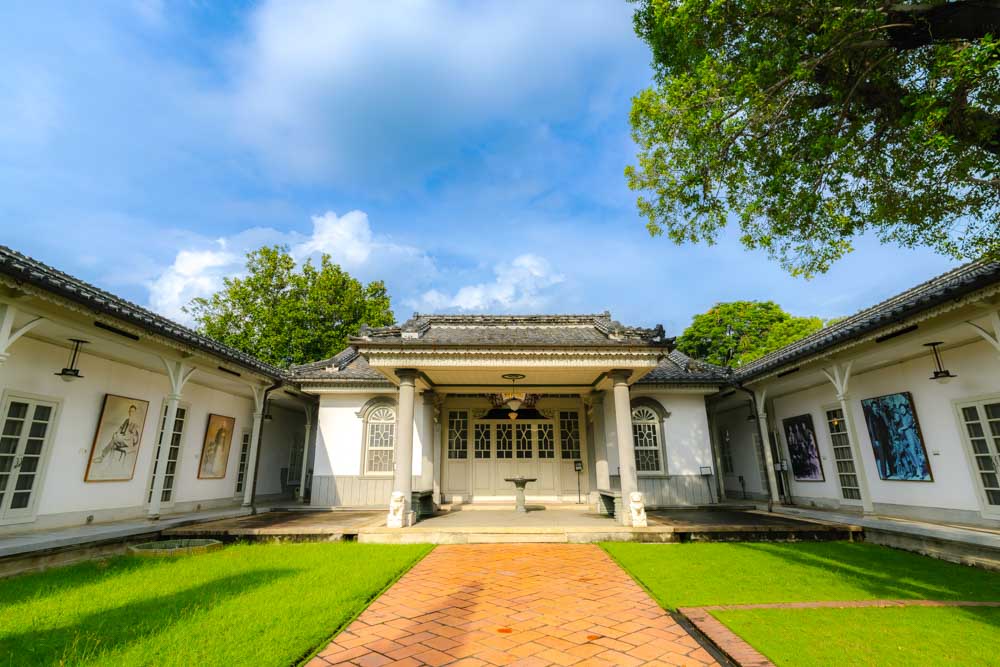
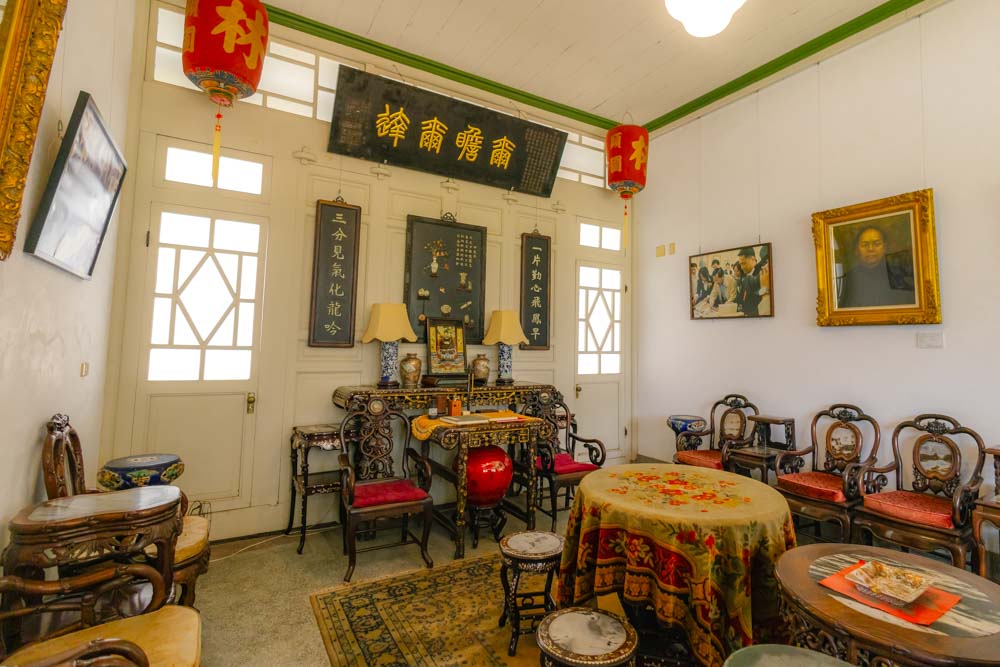
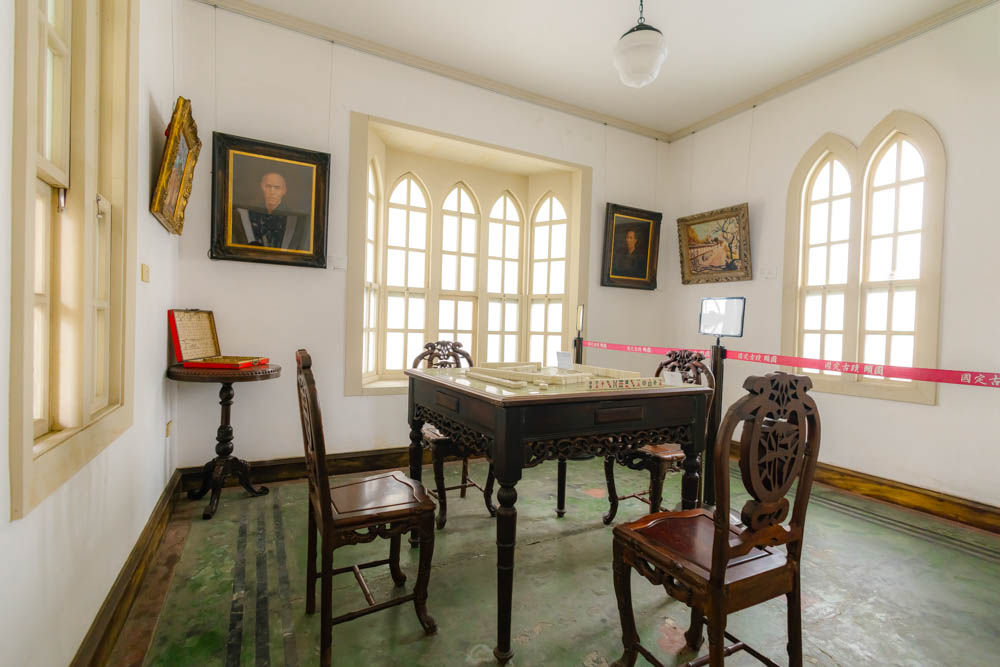
On this damp afternoon, the terracotta tiles popped in rain-burnished contrast against the grass, and the rain chains made a feature of the showers. The inclement weather also let me appreciate how the interconnected walkways allow sheltered access to the house’s three stand-alone wings. Inside, the Lins’ deep love of the arts is evident in the symbolic and aesthetic flourishes – a table topped with majolica tiles, portraits by some of Taiwan’s most esteemed painters, stained-glass doorways that belie their European ideals by using the thoroughly Taiwanese crab-apple-flower glass, and mahjong chair legs whittled into the shape of goat feet (the character for goat being related to auspiciousness). Not a single thing is without meaning or story.
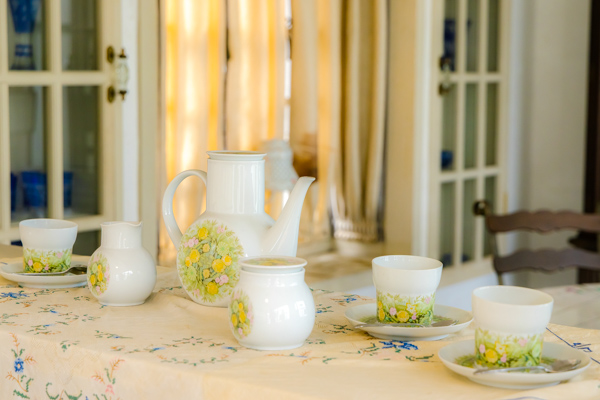
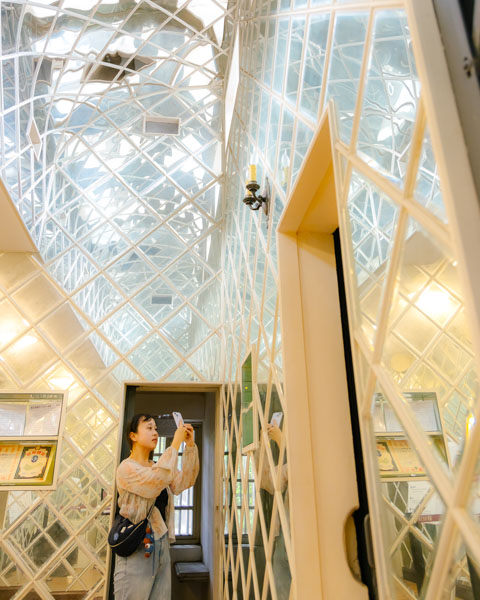
Visitors who choose the Chinese-language guided tour (slightly more expensive than the regular ticket price of NT$150) can also visit the adjacent art museum’s observation deck, which commands a bird’s-eye view of the Lin Family fiefdom.
Lin Family Yipu Mansion | 林家頤圃
Add: No. 67, Minsheng Rd., Wufeng Dist., Taichung City
(台中市霧峰區民生路67號)
Tel: (04) 2339-9756
Website: wufeng-yipu.com.tw
FB: facebook.com/yipupark1914
Hours: Tue-Sun 10 am – 5 pm
Lin Family Laiyuan
Spend much time in the Sinosphere, and you’ll notice the word filial surfaces far more often than it does in the Anglosphere. Filial piety (the respect one shows to one’s parents) is a core Confucian value, and when it comes to displays of filial piety, the Lin Family Laiyuan, about 350 meters southeast of Yipu Mansion, is impressive. The name “Laiyuan” (essentially, Lai Garden) derives from the parable of Lao Laizi, a man who loved his parents so much that even in his 70s, he’d clown around to keep them young at heart. Lin Wen-qin built the garden in 1863 in the same spirit, to please and entertain his mother, Madame Luo.
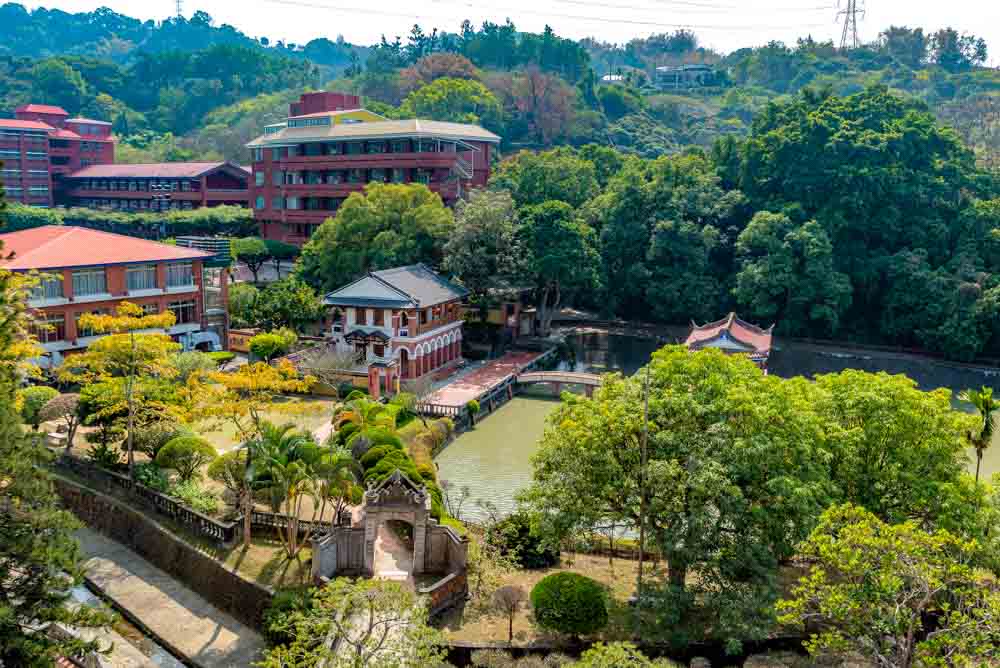
The garden’s most important feature is Wugui Tower – Madame Luo’s former residence. Viewed from the west, it’s a refined, two-story fusion of Chinese and Western design; from the east entrance, an elegant bungalow (two words that don’t sit well together), accessed by a short flight of steps. From her balcony, the family matriarch would have watched the sunset over Xiaoxi Pond and enjoyed operatic performances held on the island stage.
Lin Family Laiyuan | 林家萊園
Add: No. 91, Laiyuan Rd., Wufeng Dist., Taichung City
(台中市霧峰區萊園路91號)
Tel: (04) 2339-3071 ext. 228
Website: www.thelinfamily.org.tw
Hours: 8:30 am – 5 pm
Wufeng Public Market
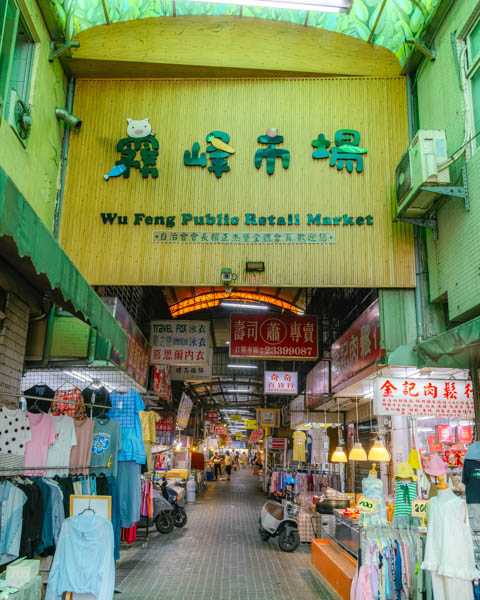
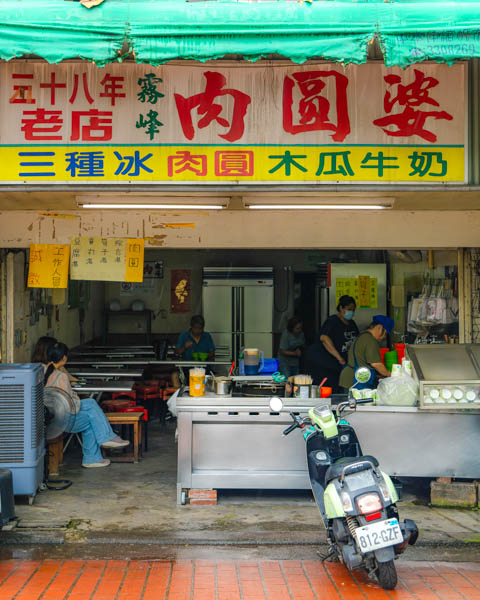
Leaving the Lins behind, head back west on Wenhua Lane, take a right onto Minsheng Road, then continue north for 200 meters until Lane 89 appears on your left – this is your back-end entrance to Wufeng Public Market. Like most such facilities on the island, the market isn’t for those afflicted with delicate noses or a low tolerance for sensory stimulation. Under the fluorescent glare of tube lights, stalls catering to the needs of daily life – pig trotters, gourds as big as toddlers, T-shirts bearing questionable English (cats on a washing line above the word “SOMNAMBULIST”), flowers, school uniform specialists, stalls selling nothing but multiple types of garlic, and crockery – vie for space. Between them, riders on scooters laden with bags of eggs and bunches of leafy greens weave through the crowds, and for those who can navigate the sights, sounds, and smells, food stalls like half-century-old A-shuang’s Fried Noodles offer a quick, simple, exceedingly affordable place to grab a bite. Of course, market meals are not for everyone, so if you want culinary authenticity with a little less in the way of market chaos, head to Minquan Street, a short walk north of the market, where local favorites like Meatball Granny and Heji Rice Products allow you to fill your belly in relative peace.
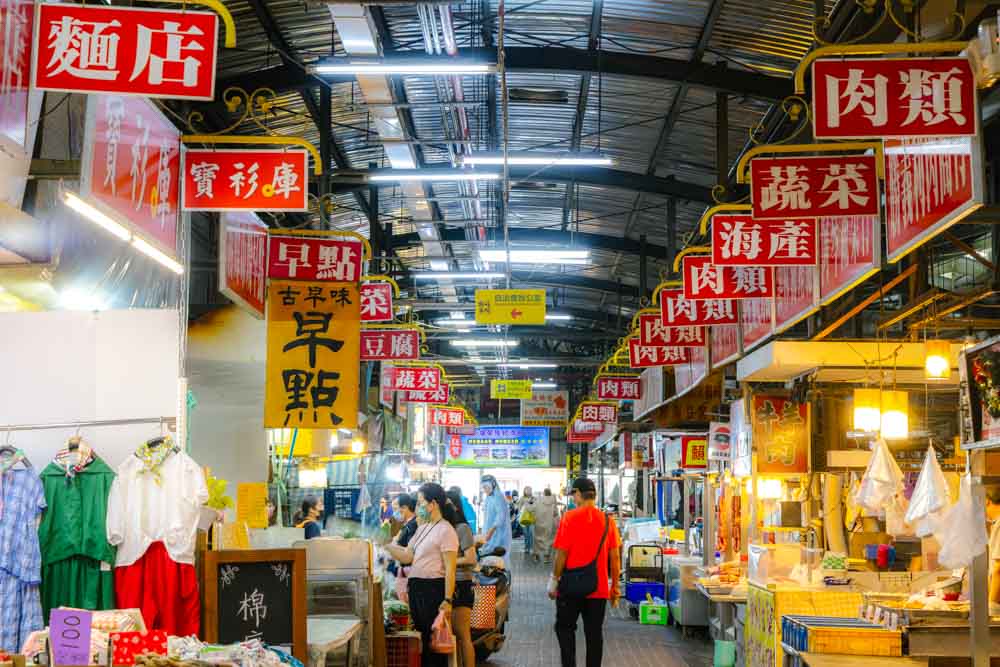
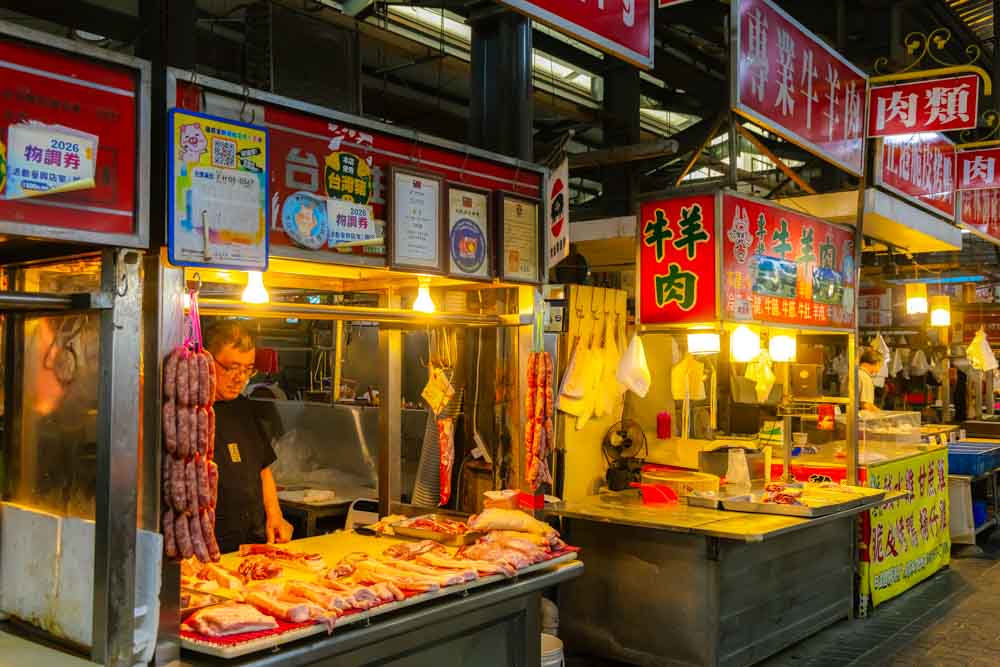
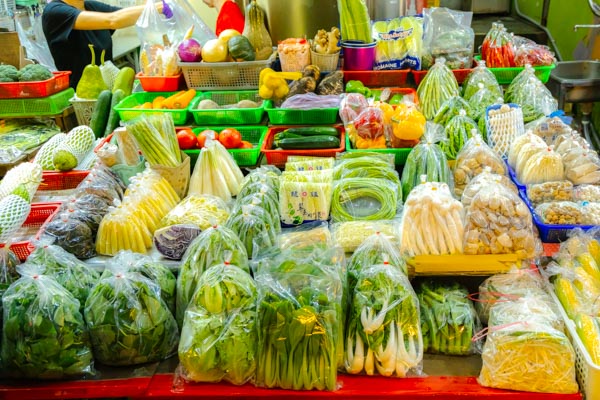
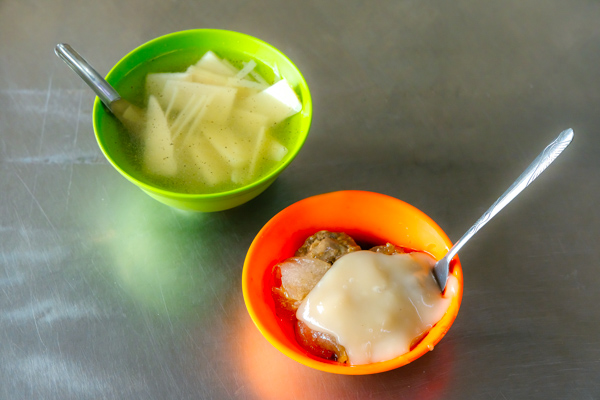
Wufeng Public Market | 霧峰公有市場
Add: No. 958-6, Zhongzheng Rd., Wufeng Dist., Taichung City
(台中市霧峰區中正里中正路958-6號)
FB: facebook.com/wufonmarket
Hours: 6:30 am – 12:30 pm
Gan River Bikeway
Assuming you’re suitably fed and watered, it’s time to embark on the next leg of the day’s exploration – a two-wheeled jaunt along the Gan River Bikeway. From the market, head back toward the Wufeng Mushroom Museum, then walk west on Side Road and cross Linsen Road. If time allows, you can pay your respects at Wufeng Shengxian Temple – dedicated to Shennong, aka the Divine Farmer, who, along with the Earth God, is the preferred deity of those who work the land. The temple overlooks the Side/Linsen intersection.
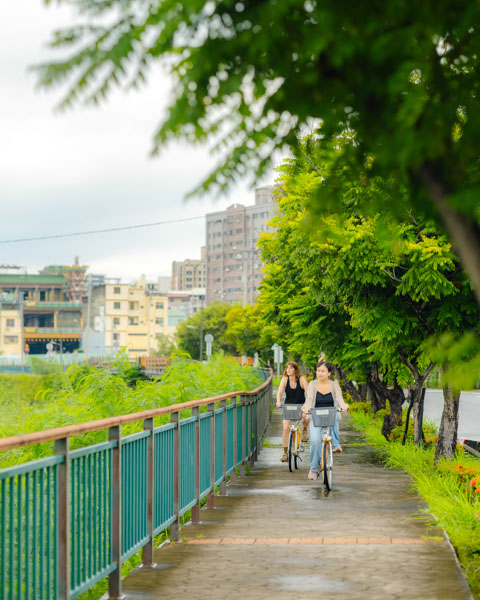
Upon reaching the waterway, take a left and follow Ganxi East Road for about 450 meters, then grab a YouBike from the streamside park. The cycle path starts in the north at the confluence of the Gan River and the Caohu River and follows the latter upstream. It is most beautiful in October when golden rain trees along the route put on a spectacular show of yellows and, despite the name, oranges, pinks, and reds.
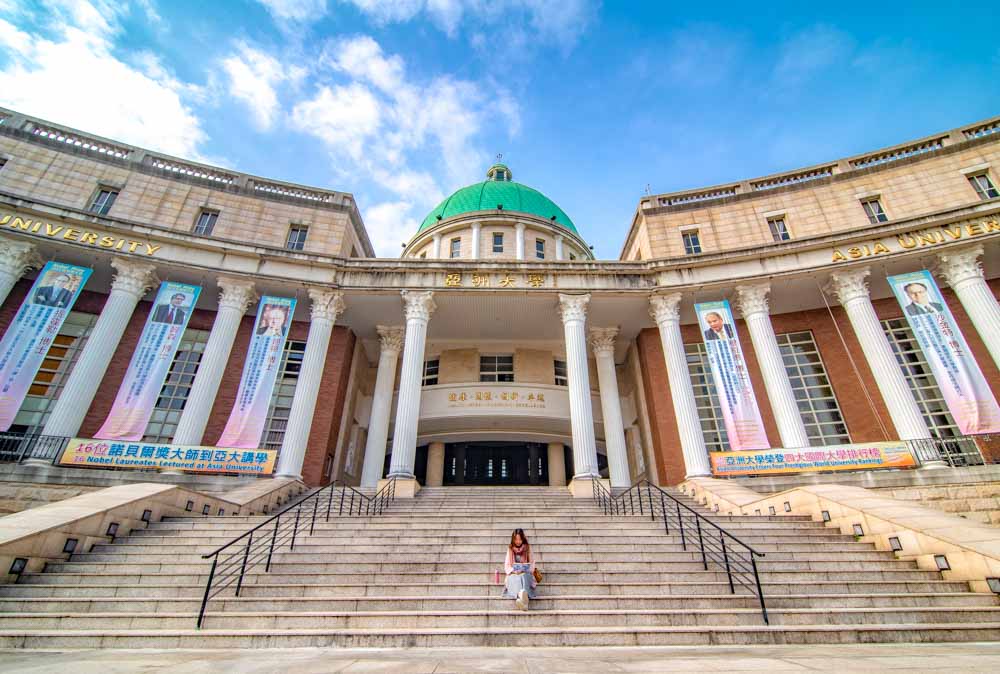
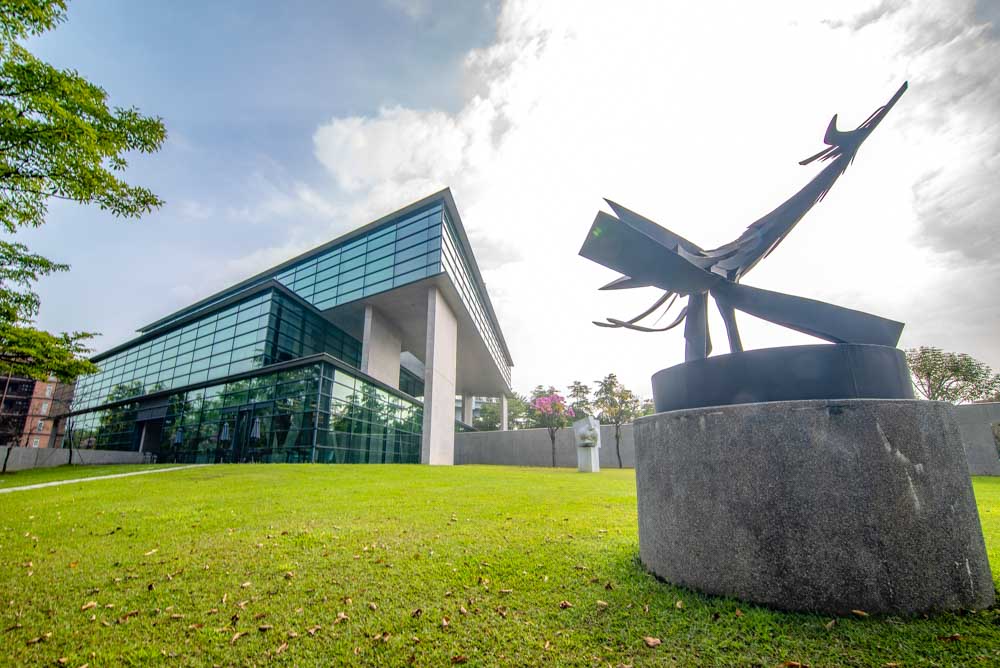
If you can’t coincide your visit with the flower display, all is not lost – there’s still plenty along the way to make it worthwhile. The first stop along the way is Asia University (www.asia.edu.tw). A short ride away from the river’s left bank, the university is a popular backdrop for pre-wedding photos thanks to its scenic campus. The gymnasium sits in a structure styled to resemble the Colosseum, while the administrative services occupy a grand, neoclassical-inflected building with symmetrical curved wings flanking a colonnaded portico and a copper-green dome. The campus is also home to a modern-art museum designed by Japanese architect Tadao Ando, which draws visitors as much for its architecture – all sharp angles, concrete and light – as its art.
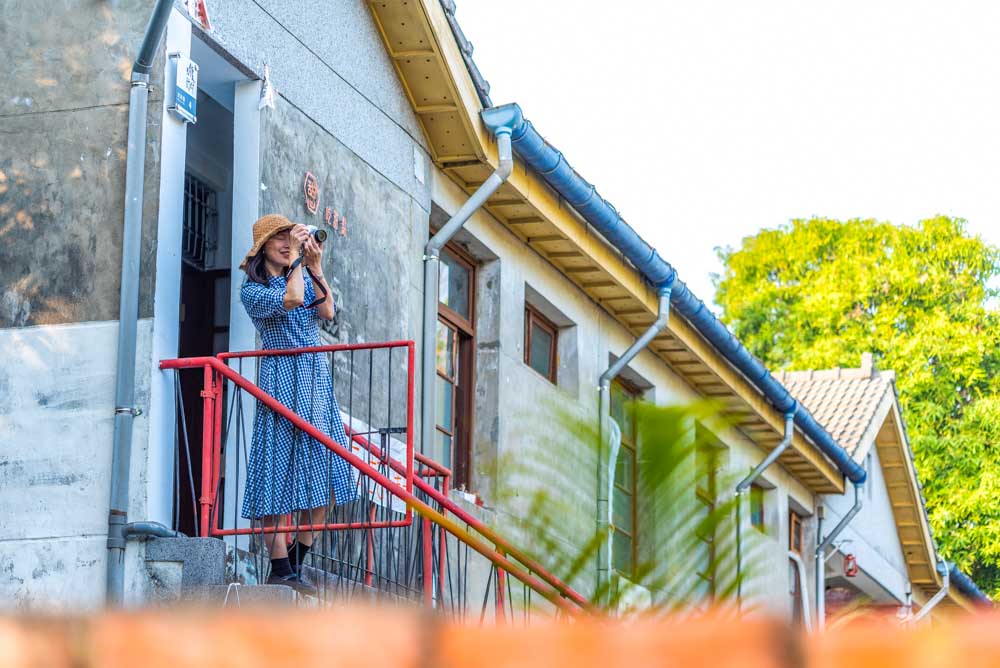
Back in the saddle, it’s just a short ride to the next stop: Guangfu New Village, on the right bank of the river. Built in 1956 to rehouse formerly Taipei-based provincial government employees, the developers used US funding and Garden City principles to create one of the era’s most livable neighborhoods. Widespread damage sustained during the 921 Earthquake led to most residents relocating in the 2000s, but the past decade has seen the village bounce back as a hub of creativity and youth entrepreneurship, with boutique eateries and small studios now operating out of the old houses.
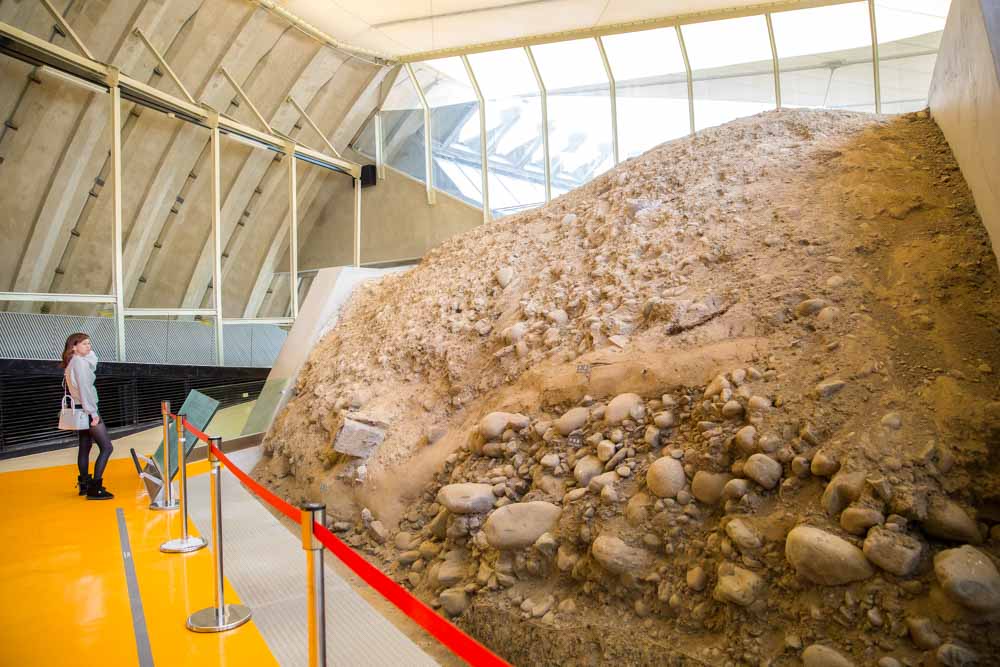
The 921 Earthquake Museum of Taiwan (www.nmns.edu.tw/park_921) is next up. Sitting at Guangfu New Village’s eastern edge, this sprawling site has sprung up around the collapsed remains of Guangfu Junior High School and memorializes the massive temblor that claimed 2,329 lives on September 21, 1999. For those who have never experienced such a macroseism, the raw power is (thankfully) utterly incomprehensible, but the museum goes a long way to bridging the knowledge gap. The school’s running track has been preserved precisely as it was after the fault rupture thrust part of it up by 2-3 meters, and the concertinaed classrooms say more than any interpretive display ever could. The museum also has an earthquake simulator (separate ticket required) that lets you feel first-hand what that level of shaking is like.
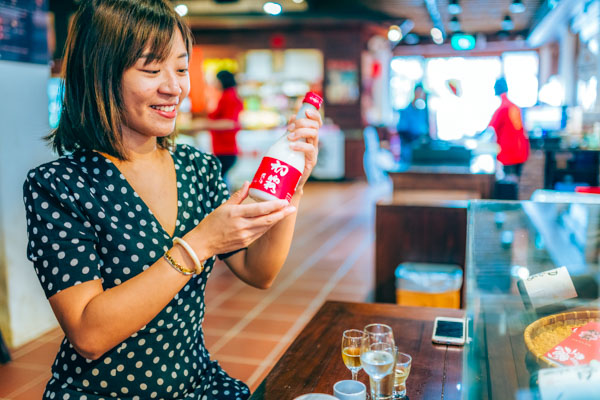
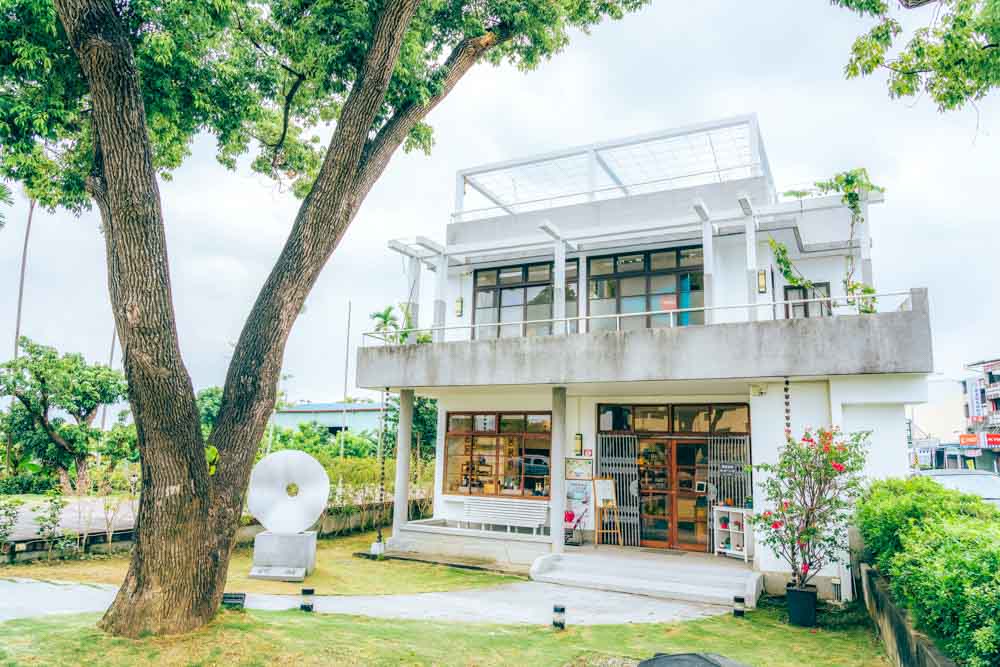
From the museum, cross the river via a pedestrian bridge, follow Shanjiao Lane until it meets Zhongzheng Road, then turn right. Here you can nip into the Wufeng Farmers’ Association Distillery (www.twwfsake.com) for souvenirs that may induce dizziness of a non-earthquake-related kind (sake and fruit wines are top sellers), before continuing north along Zhongzheng Road on to Kite Noodle House for some well-earned refreshments. Named after the black-winged kites whose hovering presence is a symbol of Wufeng farmers’ successful environmental stewardship, the restaurant mostly uses ingredients that are organic and locally sourced. It also happens to be housed next door to one final stop: Wufeng Minsheng Story Museum (weiyu-life.com/twwfstory) – a micro museum dedicated to telling the everyday stories of Wufeng residents.
About the author