Visiting the City as a Photography Aficionado
TEXT | JAMES BARON
PHOTOS | VISION
Note: This article was published in the 2026 Summer Edition of TAIPEI magazine, a publication by the Taipei City Government.
With its blend of traditional and contemporary architecture and its vibrant street scenes, Taipei provides a tantalizing backdrop for photographers. The city also offers a range of options to see photography exhibitions and shop for quality cameras and accessories in attractive stores that themselves double as subject matter for photographers. Here are a few suggestions for a photography-themed outing around the city.
National Center of Photography and Images
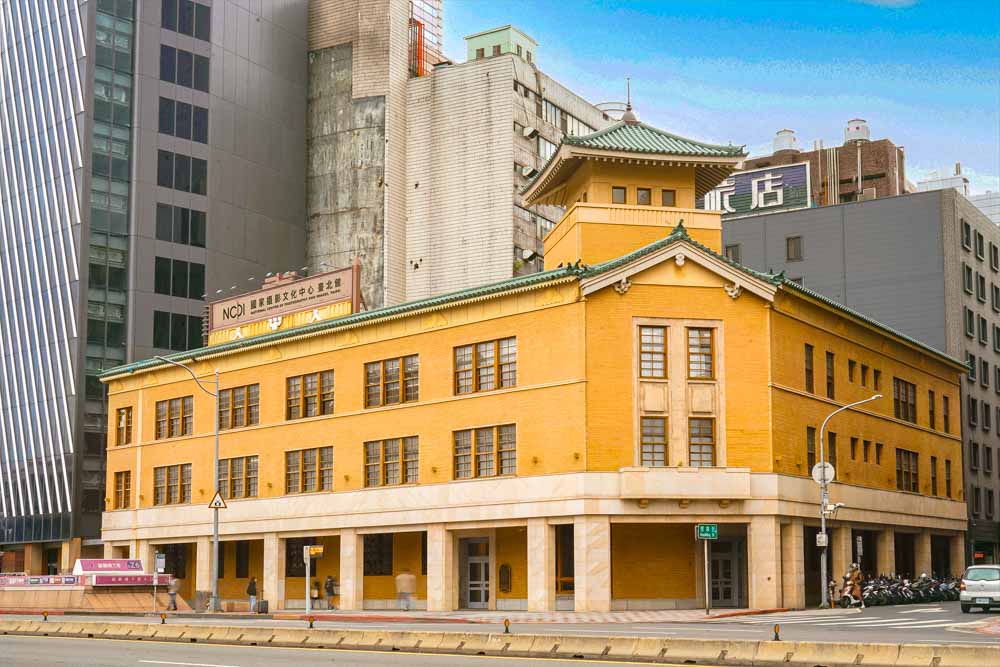
An ideal choice for starting a tour of Taipei with a focus on photography is the National Center of Photography and Images (NCPI), which is centrally located opposite Taipei Main Station. Constructed in 1937 as the Taiwan headquarters of a Japanese shipping firm with international operations, this museum’s building later housed the Taiwan Navigation Co. and the former Taiwan Provincial Highway Bureau. Today, a permanent exhibition titled Trans-Communication highlights the evolution of the building’s function, noting that, in its current guise as a photo repository, its “transit, exchange and communication” purpose has been maintained.
Regular exhibitions of contemporary works appear alongside thematic displays from the NCPI archive of more than 13,000 images and other assets. Exhibitions often feature pioneers such as Deng Nan-guang, Chang Tsai, and Lee Ming-tiao (the so-called “Three Musketeers” of Taiwanese photography), the photographs being powerful testaments to the dramatic sociopolitical shifts Taiwan has undergone. Lenses have frequently been directed at the marginalized and vulnerable – indigenous peoples, political dissidents during democratization movements, and victims of natural disasters, powerfully evoking Taiwan’s resilience and hope in the face of adversity.
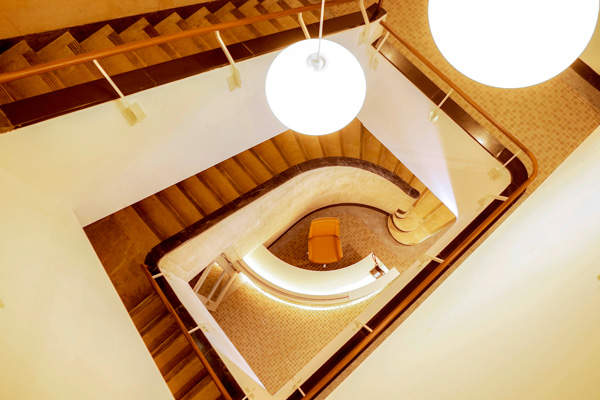
Restoration work on the building began in 2015, with the center opening to the public in 2021. The L-shaped interior optimizes gallery flow and accentuates the striking stairs at the core, an element that prompts visitors to reach for their cameras. Fusing occidental components, including a sturdy colonnade, with Japanese motifs such as a pagoda-type tower, the façade of the neoclassical structure makes for an equally pleasing photo op when departing for the next destination in this list.
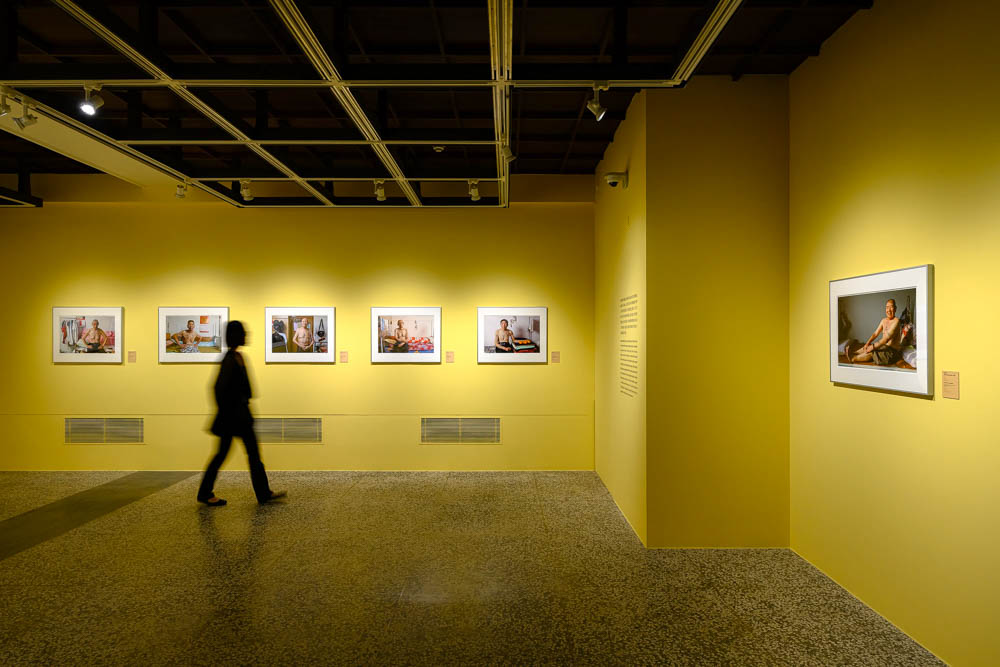
National Center of Photography and Images 國家攝影文化中心
70, Sec. 1, Zhongxiao W. Rd., Zhongzheng Dist.
(02) 8978-7040
Tue-Sun 10:00am-6:00pm
ncpi.ntmofa.gov.tw
The roughly 25-minute walk from the NCPI building to Taipei’s historic Dadaocheng neighborhood takes you past myriad other photogenic locations, including Taipei’s North Gate (also known as Beimen), a top-grade national historic site and the best-preserved of the four remaining portals to Taipei’s now-long-gone city walls.
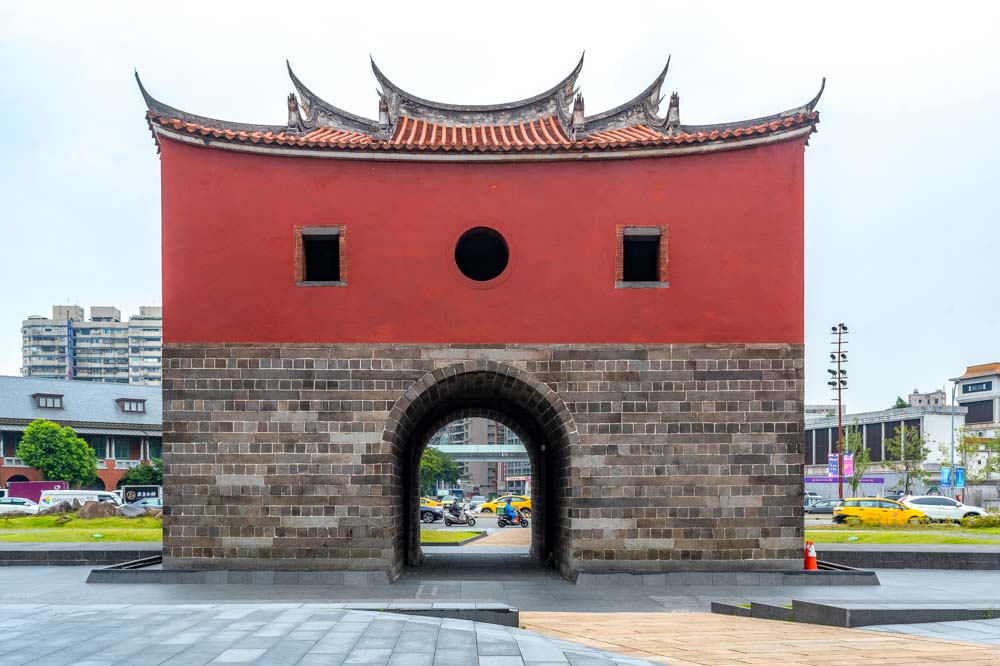
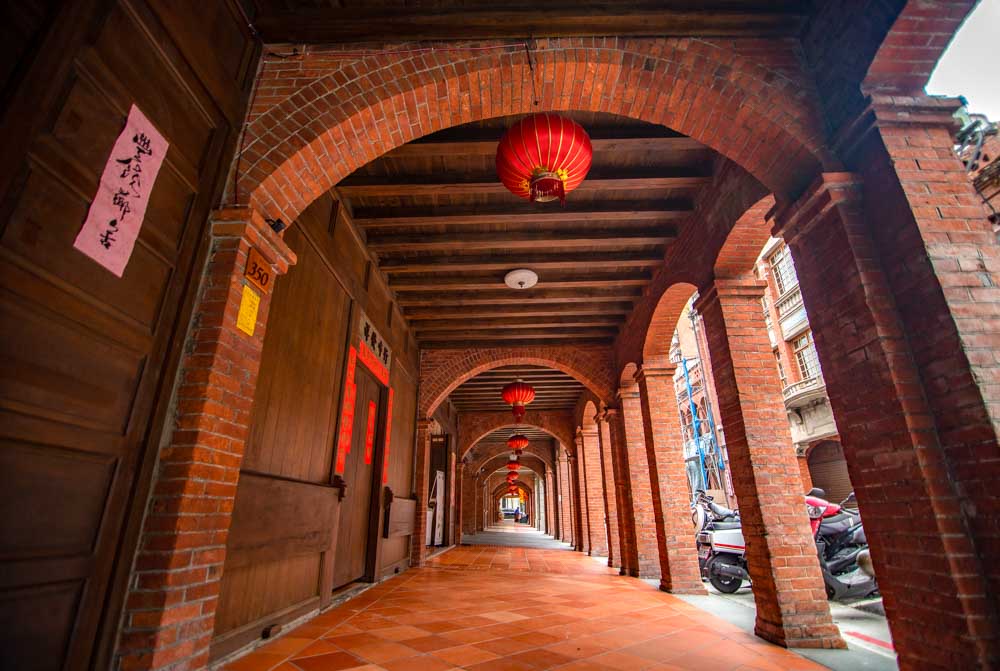
Arriving at Dadaocheng’s historic and tourist-popular Dihua Street, you’ll get a good view of old Taipei. The narrow, usually bustling thoroughfare has inspired imagemakers across media over the years, with Kuo Hsueh-hu’s 1930 painting Festival on South Street perhaps the most iconic impression. The 2014 movie Twa-Tiu-Tiann (Taiwanese for the Mandarin “Dadaocheng”) also provided a memorable snapshot of the area.
Olympus Plaza Taipei
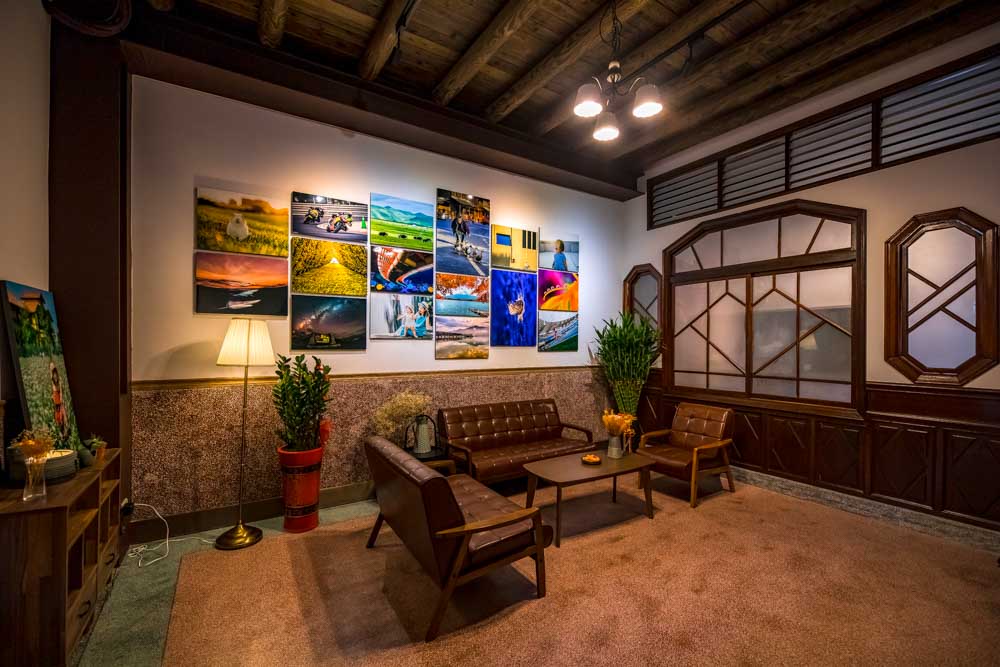
While much of the architecture along the street dates from the 1895-1945 Japanese era, the timber-framed storefronts with sliding doors reveal Qing Dynasty touches. Among these is the understated exterior of the Olympus Plaza Taipei, which opened in 2019, in a building that had previously served as a private residence, paediatric clinic, and trading firm during its 100-year history. The building, proud recipient of the 2022 Old Building New Life Award, is itself a popular photography subject. Bisecting the interior at knee level is a sturdy log emblazoned with the Olympus logo, the concentric growth rings creating a neat metaphor for a focusing lens. Suspended above, vertical pendant lighting warmly illuminates the products showcased on the display counter.
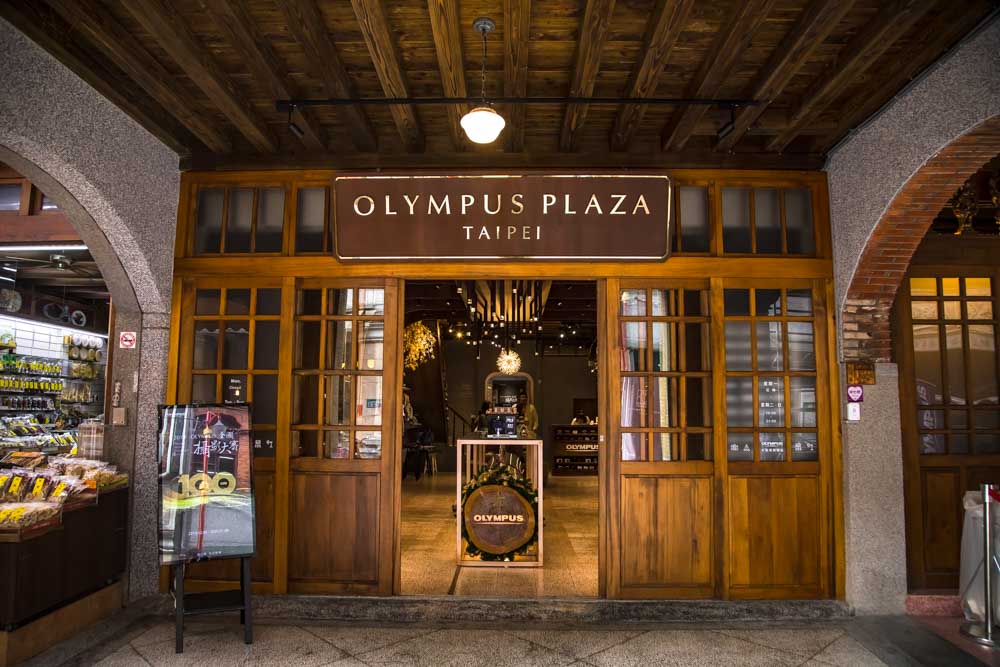
In addition to a range of cameras, from the vintage Olympus twin-lens reflex models of the 1950s to the latest action devices from Insta360, the store offers photography-related souvenirs and paraphernalia, including artisan camera straps from Jouer8, a Taichung-based brand. A studio and an exhibit space where visual arts are intermittently showcased are located on the upper floors.
Olympus Plaza Taipei
142, Sec. 1, Dihua St., Datong Dist.
(02) 2553-8826
11:00am-7:00pm (closed on first Mon of month)
www.olympusplaza.tw
House of Leica
If the Olympus Plaza Taipei communicates style and refinement, the premises of the House of Leica take understated elegance to the next level. Tucked down a leafy lane off Qingtian Street in Daan District, close to the tourist-popular Yongkang Street area, the building is easily overlooked by passing pedestrians. But for the small red orb jutting out from the front-courtyard wall, displaying the cursive white script of the Leica logo, one might mistake this building for one of the area’s restored historical houses, which are off-limits to the public.
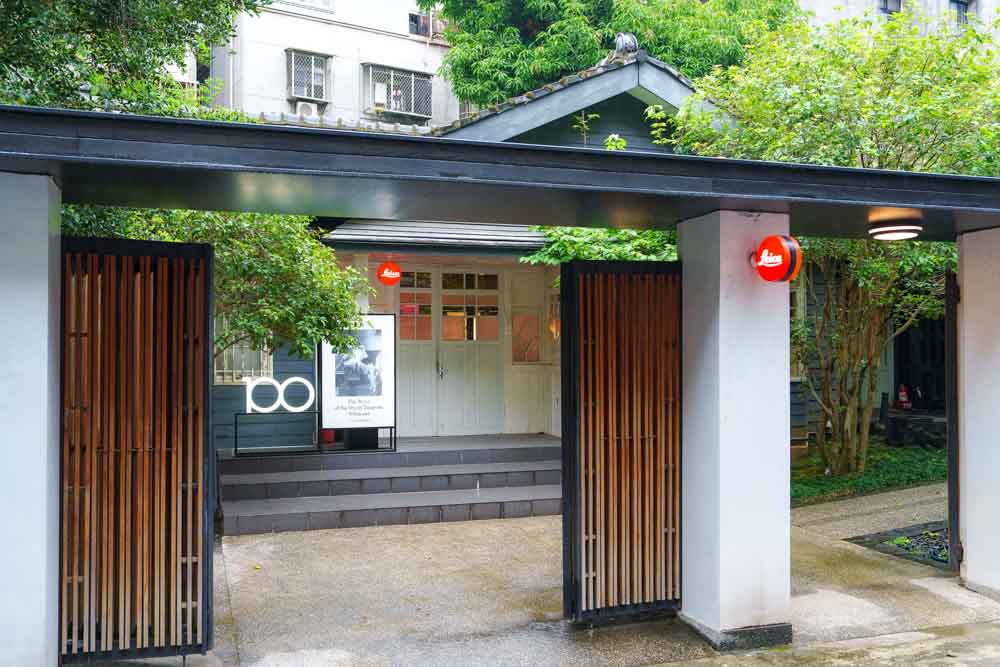
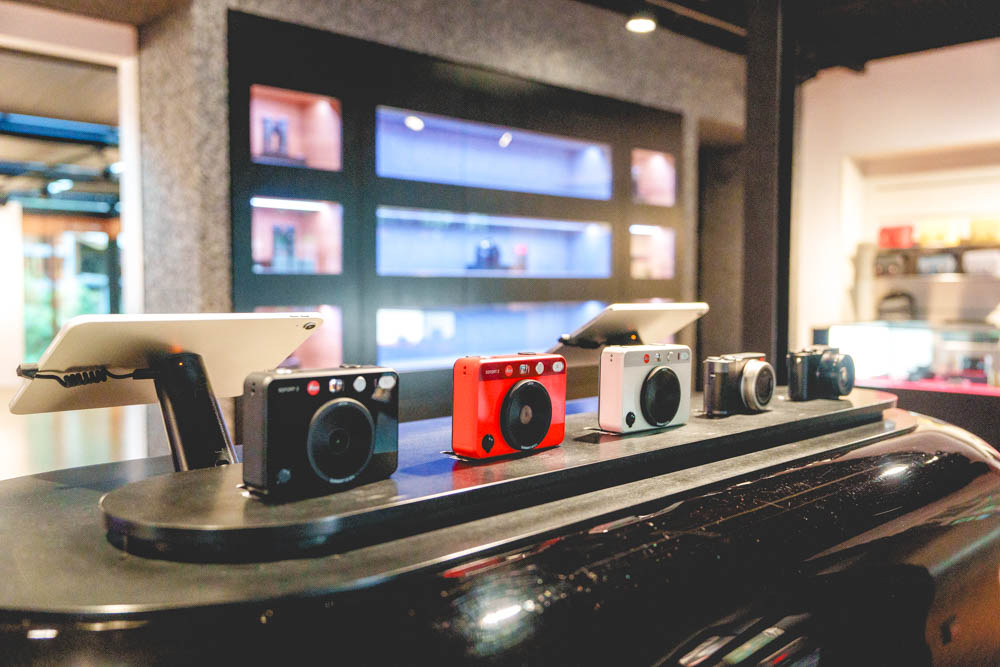
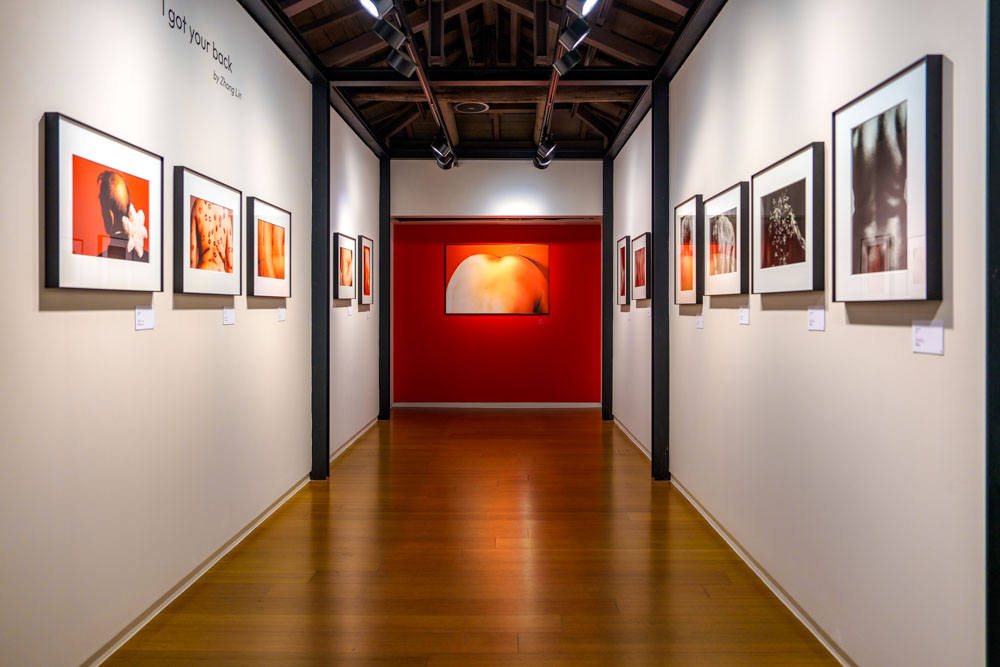
The mellow blue-gray clapboarding of the wooden bungalow, which once served as a dormitory for faculty at Taihoku Imperial University (now National Taiwan University), contrasts with the gleaming surfaces and cabinets of the interior and the glass roof, which floods the space with natural light. Latest cameras, sports optics, and accessories from the German brand are presented. A central washitsu-type space (minus the usual tatami mats), outfitted with a coffee counter that is powered by a handcrafted La Marzocco machine, is used for exhibits, events, and courses presented under the Leica Akademie program. Emphasizing the brand’s global outreach, recent expositions have included winners of the 2025 Leica Oskar Barnack Award, named for the company’s founder. These are focused on underrepresented regions such as the “breakaway” state of Transnistria in Moldova and the plight of marginalized groups, such as Venezuelan immigrants in Mexico. Near the entrance is a bookcase stocked with coffee-table collections from agencies such as Magnum and giants of photography such as Lee Friedlander.
House of Leica TaipeiQingTian 台北徠卡之家
3, Ln. 6, Qingtian St., Daan Dist.
(02) 2391-2593
10:00am-8:00pm
Lightbox
Books are the focal point at Lightbox, a photography library situated a 15-minute walk from the Leica showroom. Run as a nonprofit, Taiwan-focused space, with an emphasis on inclusivity, Lightbox provides a serene, minimalistic space for browsing and contemplation. While the lion’s share of the volumes that line the shelves are photography-focused, plenty are not. Instead, an eclectic mix of works, loosely themed around the idea of impressions, is found.
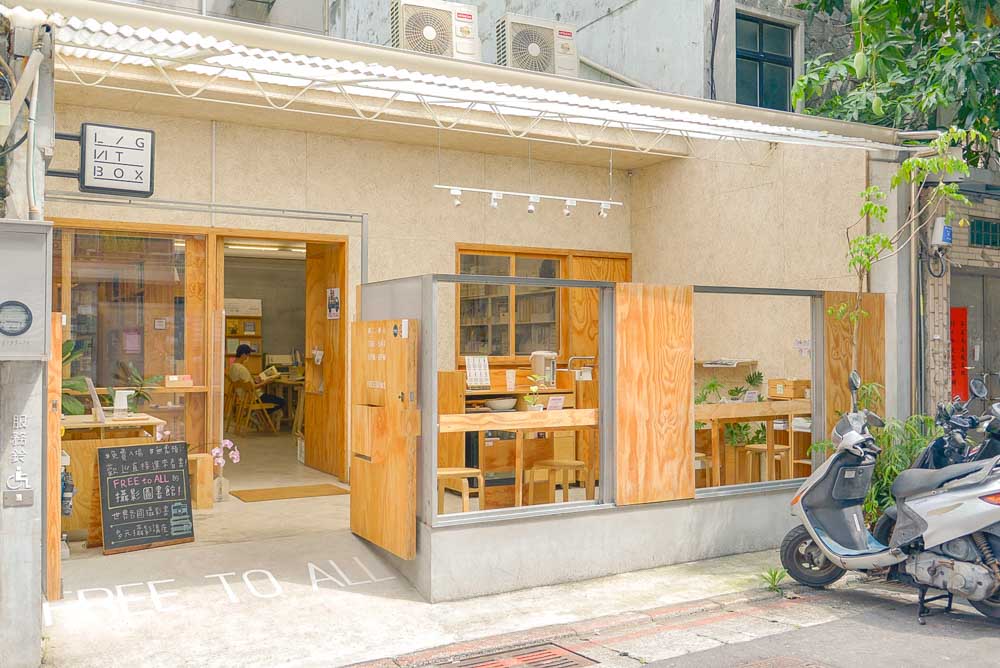
The library houses many limited-edition and rare photography books, with numerous out-of-print volumes. Among them, the Taiwan Photographic Album, published in 1908 during the Japanese era, preserves the landscapes and customs of Taiwan from a century ago. Other noteworthy works are army physician Rene Coppin’s French-language account of the Sino-French War of 1884-1885 and the contemporary photo essay Becoming・Taiwanese by Liang-Pin Tsao, which documents the reinvention of Japanese Shinto shrines in Taiwan as martyrs’ shrines in the post-WWII era.
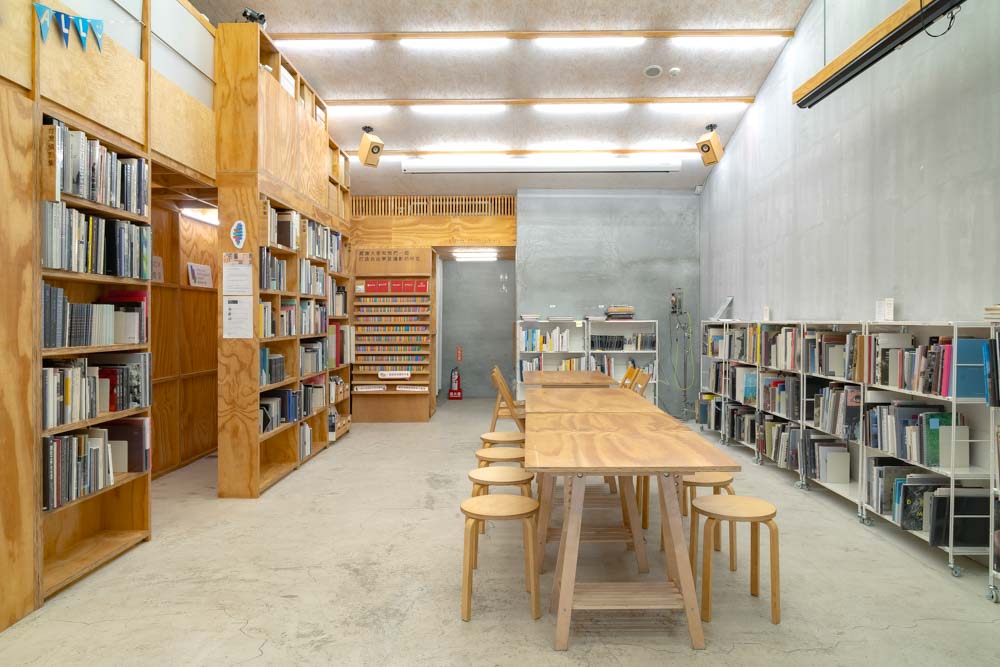
Regularly hosting lectures, educational tours, and industry events such as the biennial New Wave Photography Award, Lightbox is a must for visitors looking to gain an understanding of Taiwan’s photography environment.
Lightbox 攝影圖書室
19, Ln. 269, Sec. 3, Roosevelt Rd., Daan Dist.
(02) 2367-8161
Thu-Sat 2:00pm-7pm
www.lightboxlib.org
YellowKorner
Close to the attractive riverside parklands of Zhongshan’s Dazhi neighborhood, YellowKorner offers limited-edition prints from world-renowned photographers. This branch of the Paris-founded gallery chain opened in 2021, its remit to bring internationally acclaimed photographic artworks to collectors in Taiwan.

Among the prominent collectibles is a monochromic portrait of pop-art maestro Andy Warhol brandishing a Polaroid camera with his own image dangling from the device’s ejection slot. Part of a 500-print run, the image was captured by Italian lensman Oscar Toscani.
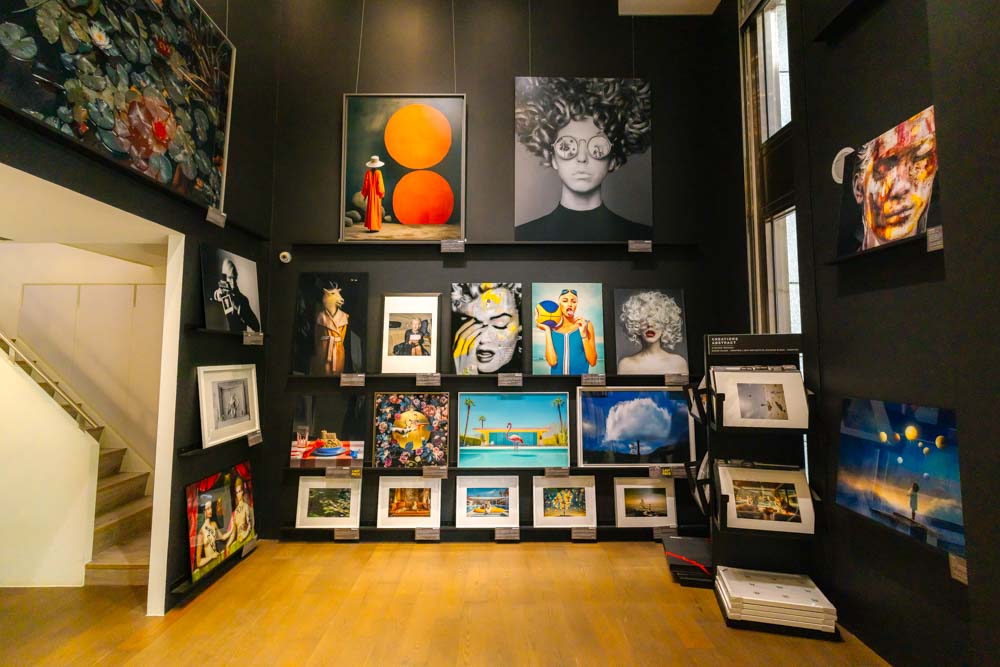
Elsewhere, works by local photographers such as Po Chen, who first came to prominence in 2010 with an album documenting Indian shantytowns, are also available. Po Chen has more recently focused on images of serene marine vistas, which are credited for their “soothing effects” that “should be prescribed for anyone wanting to embark on the path of zen.”
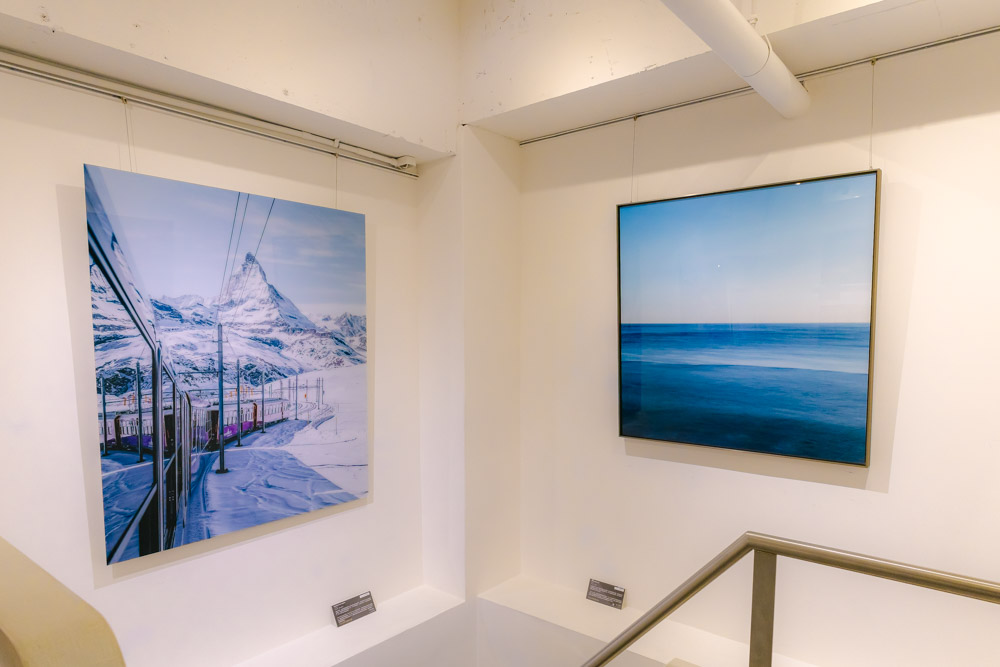
Developed at the gallery’s own laboratory, high-quality prints of photographs come with QR codes that can be scanned to generate tamper-proof authentication certificates.
YellowKorner
91, Lequn 2nd Rd., Zhongshan Dist.
(02) 2595-3039
Tue-Sat 10:00am-7:00pm
Sun 10:00-6:00pm
yellowkornertw.com
About the author