Exploring Donggang in Southwest Taiwan
TEXT | STEVEN CROOK
PHOTOS | VISION
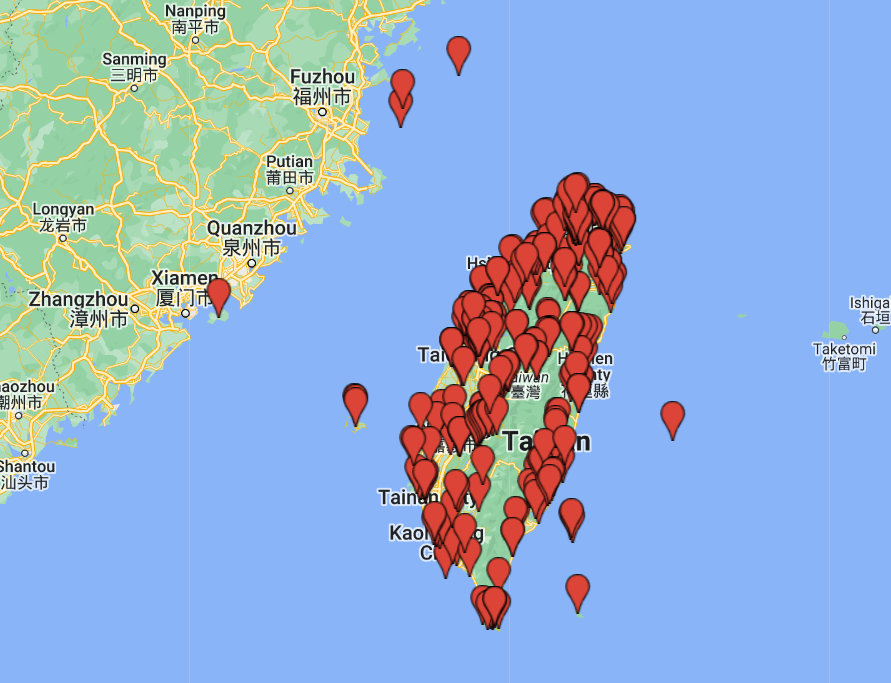
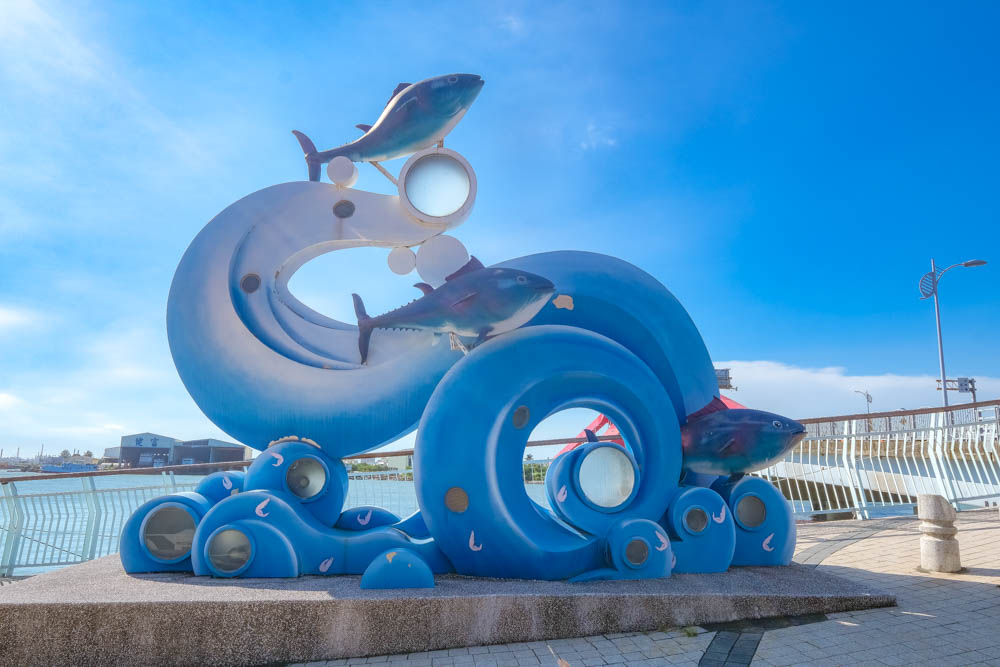
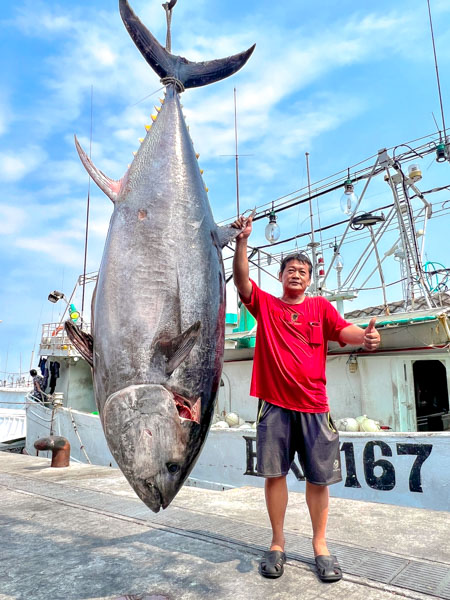
Few towns in Taiwan are as closely associated with the ocean and with fisheries as Donggang in Pingtung County. The center of the bluefin tuna trade and the gateway to the nearby island of Xiao Liuqiu, it’s home to 45,000 people, whose religious and culinary traditions promise both local and international visitors rich, immersive experiences.
In a town shaped by the sea, the fishing harbor is central to both Donggang’s economy and its personality. Zoom in on a satellite image, and you’ll see dozens of boats tethered to the docks. If you want to take a closer look, go ahead – nothing stops curious outsiders from enjoying a wharfside stroll, during which you’ll see Taiwanese and Southeast Asian crew members cleaning and carrying out maintenance between voyages.
Huaqiao Market
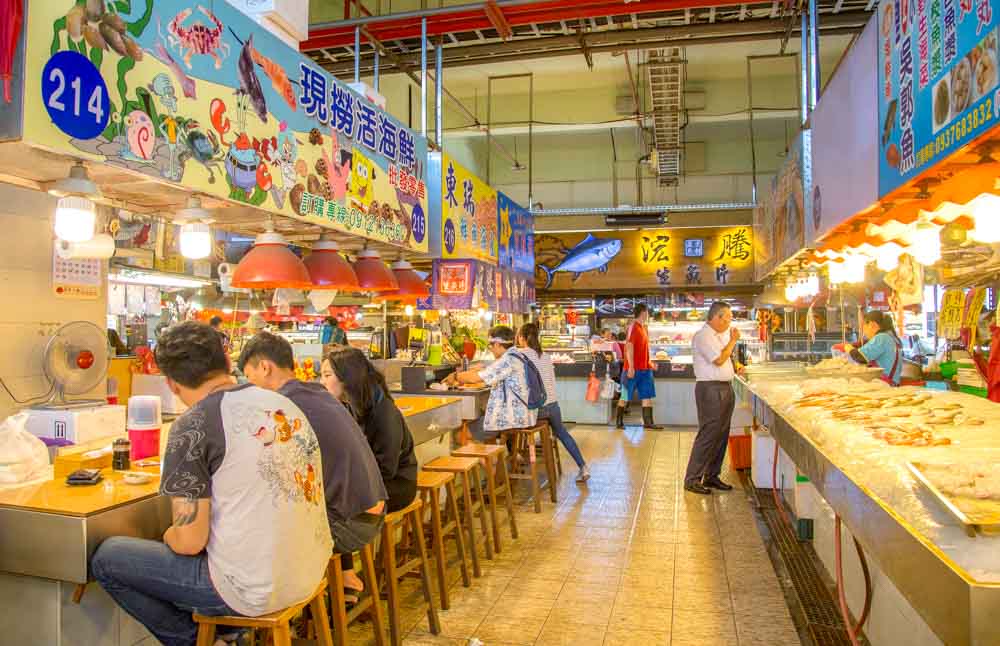
As you’d expect, the town’s major seafood market is adjacent to this neighborhood of nets and floats. Huaqiao Market attracts home culinarians seeking the best ingredients, gourmands who buy fresh catch and have it cooked on the spot, and those who just want a top-notch meal to land on the table in front of them. Not everyone likes eating surrounded by market hubbub, but if you prioritize flavor and freshness over ambiance and décor, this is a perfect lunch spot.
Tseng Xian Bluefin Tuna Shop
Tseng Xian Bluefin Tuna Shop has a solid reputation. During peak bluefin tuna season – mid-May into June – it serves up countless portions of tuna sashimi and tuna bone marrow soup, as well as golden pomfret, yellowtail pomfret, salmon, and swordfish. Much like a prime side of beef, a single bluefin tuna yields distinct cuts, with prices dictated by fat content, texture, and rarity. At Tseng Xian, you’ll see these different types of tuna meat on display; the variation in hue and marbling is obvious. As with many other seafood restaurants, prices here can jump around, so confirm costs when ordering.
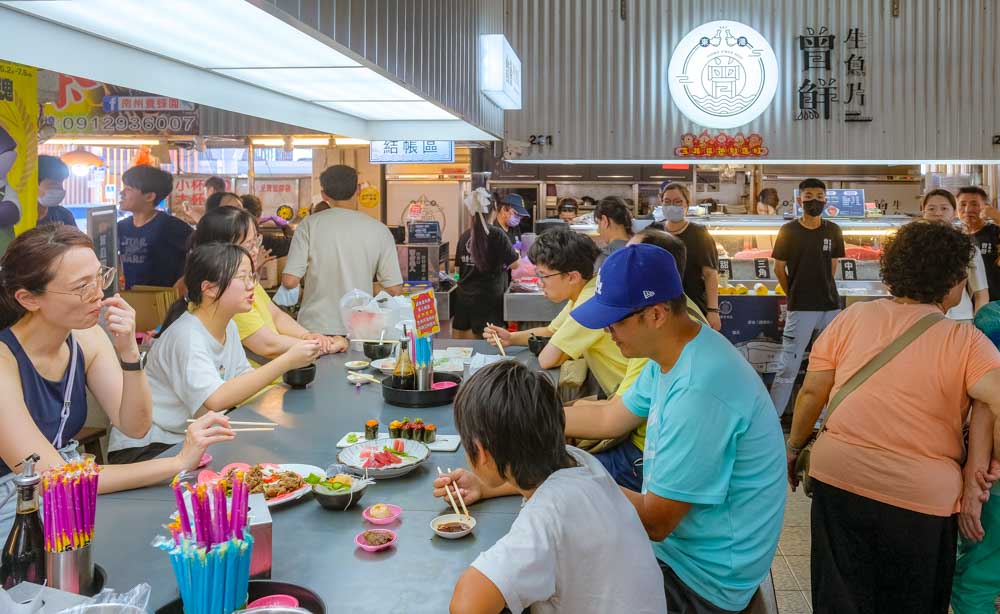
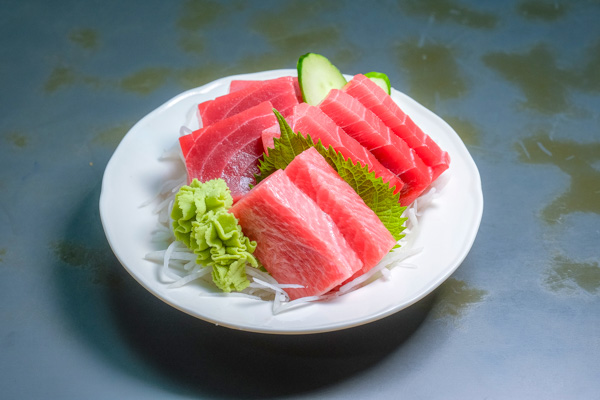
Tseng Xian Bluefin Tuna Shop | 曾鮮黑鮪魚專賣店
Add: No. 220-221, Donggang Huaqiao Market, Donggang Township, Pingtung County
(屏東縣東港鎮東港華僑市場220, 221號
Tel: 0925-295-206
FB: facebook.com/tsengfresh
Hours: 10:30am-8pm
Xuding Delicious Cuttlefish Balls
Just a short walk from the market, Xuding Delicious Cuttlefish Balls is ideal for a quick bite. This business channels its energy into a narrow range of products and focuses on selling bags of its signature edibles to people who’ll deep-fry them at home. As a drop-in customer, however, you can purchase a hot, freshly fried portion of cuttlefish balls (NT$60) or cuttlefish-and-shrimp cutlets (NT$50) – perfect fuel for your walk to Donglong Temple, the next stop on our tour. Because Donggang’s most famous place of worship is nearly a kilometer away, you might want to use one of the YouBike shared bicycles available at stations throughout the town.
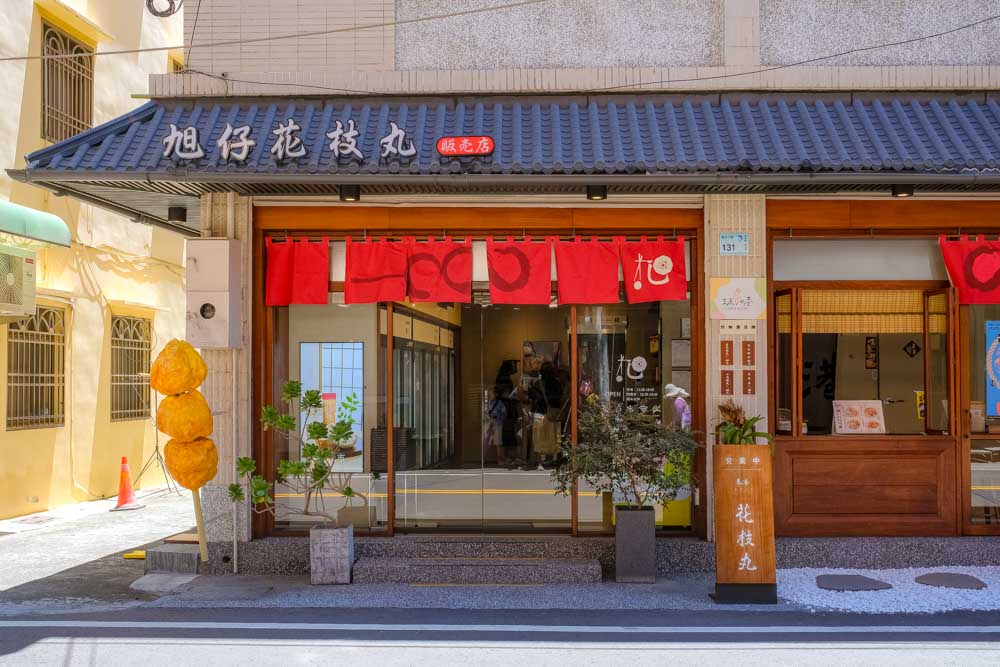
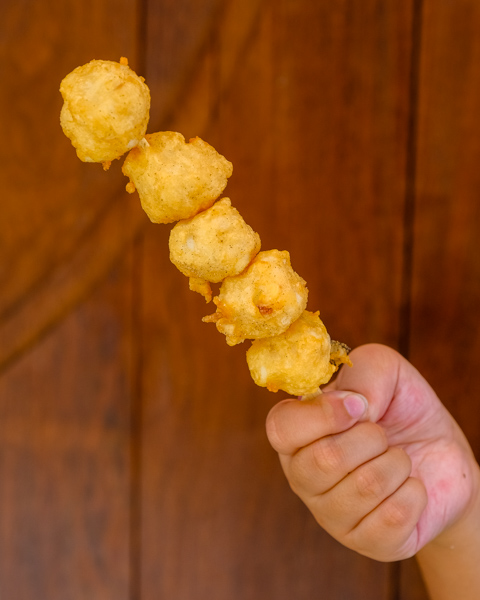
Xuding Delicious Cuttlefish Balls | 旭仔花枝丸
Add: No. 131, Xinsheng 3rd Rd., Donggang Township, Pingtung County
(屏東縣東港鎮新生三路131號)
Tel: (08) 833-9589
Website: www.xuding-food.com
Hours: 10:30am-6pm, Sat. & Sun. until 6:30pm
| Pingtung Bluefin Tuna Cultural Tourism Festival From May through July, Donggang’s Pingtung Bluefin Tuna Cultural Tourism Festival celebrates the tuna harvest and the attention and wealth it brings to the town. The program includes concerts, banquets, markets, and promotions in conjunction with local businesses. Event details can be found online or by asking at any Pingtung visitor information center. |
Central Donggang
Given Donggang’s close relationship with the ocean, it’s no surprise that the founding myth of the town’s most famous temple involves the sea. More than 300 years ago, it’s said, a huge batch of logs washed up on a nearby beach. Mysterious markings on some of them, along with the results of divination rituals, convinced the townsfolk that a deity called Marshal Wen, a.k.a. Wen, Lord of A Thousand Years, wished this timber be used to build a shrine in his honor.
Wen is among the hundreds of Wang Ye worshipped in Taiwan. This category of supernatural personalities has a convoluted history, but they’re now regarded as among the good guys. If shown respect, they’re inclined to protect the faithful from misfortune.
Donglong Temple
Over the centuries, Donglong Temple has been relocated and rebuilt. Stepping inside the current structure, you may notice that the ceiling of the first floor – where Marshal Wen occupies the place of honor – is almost entirely black. You should never describe a sacred chamber in a Chinese temple as dirty, however. The pious see these soot deposits as a positive; they’re proof that a great deal of incense has been sacrificed to the resident deities, showing beyond doubt that these gods are potent.
The second floor is devoted to China’s great sages. In the center is Cangjie, the putative inventor of the characters the Han people write with. He’s flanked by Mencius (on the left as you face the statues) and Confucius (on the right). Cangjie is usually depicted with four eyes to symbolize his extraordinary powers of observation, but here he has six.
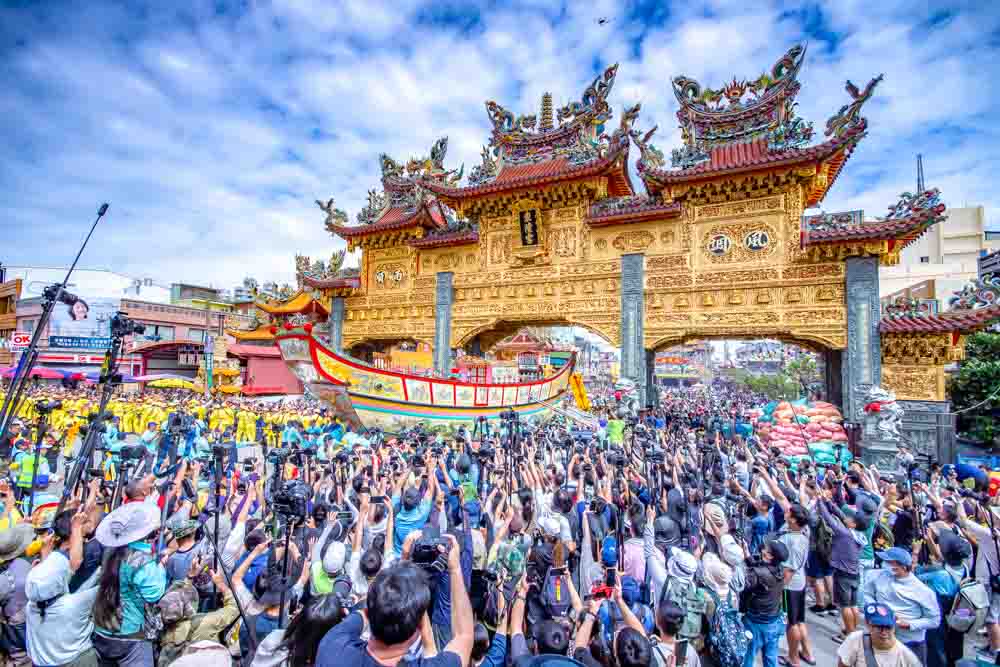
Throughout the week, a steady stream of supplicants flows through the doorways. If you see a car stopped very close to the front of the temple, it isn’t a case of lazy parking – the owner is waiting for their vehicle to undergo a ritual cleansing. Donglong Temple’s fame is due not to the unusual phenomenon of cars being blessed here, however, but to the ornate wooden boats it delivers to the flames.
Donglong Temple | 東隆宮
Add: No. 21-1, Donglong St., Donggang Township, Pingtung County
(屏東縣東港鎮東隆街21-1號)
Tel: (08) 832-2961
Website: www.66.org.tw
King Boat Festival
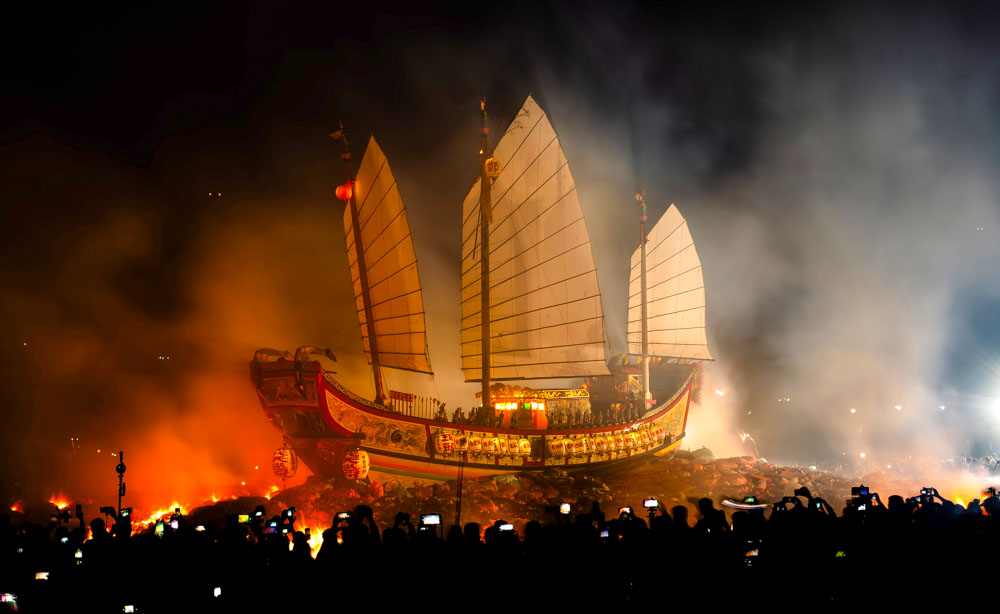
Even in Taiwan, where raucous parades are part of the faith landscape, the triennial King Boat Festival is considered an uncommon spectacle. The climax of this eight-day celebration sees a richly decorated purpose-built watercraft, a replica of a traditional Chinese junk, undergo final preparations in the crowd-packed forecourt of Donglong Temple. It’s then dragged to the beach, surrounded by a mountain of joss paper, and set afire in the early hours of the morning.
Pingtung King Boat Museum
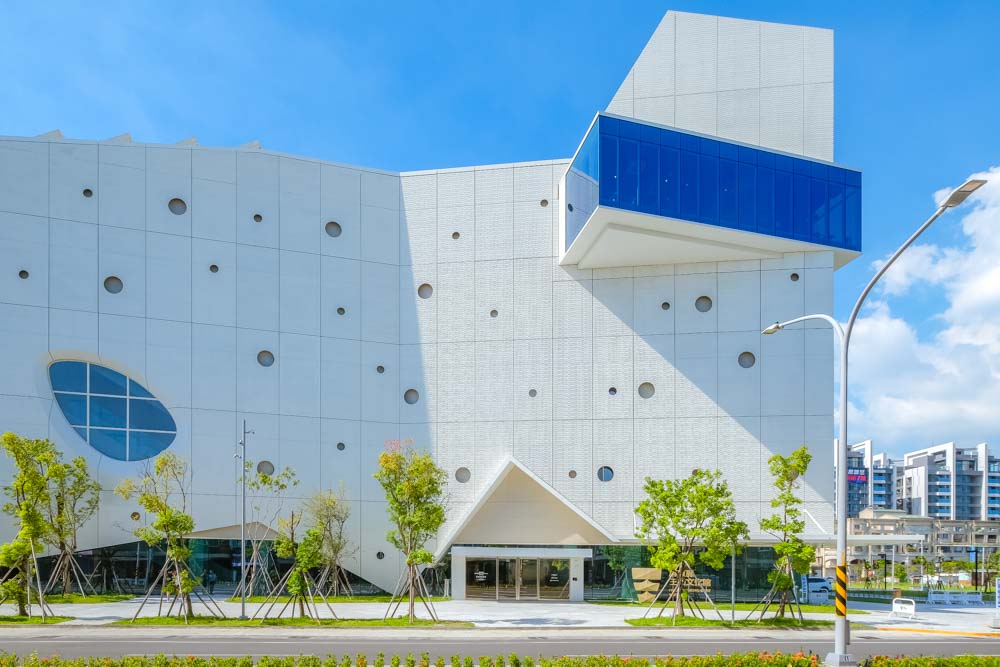
To better understand this rite – the next edition will be held in fall 2027 – you should allot an hour or more to the Pingtung King Boat Museum. It’s a 20-minute walk from Donglong Temple, but a hop and a skip from the town’s bus station. Opened in 2025, this four-floor facility contains a wealth of information in both English and Chinese. You’ll learn about the festival’s history, various rituals that must be completed in the days leading up to the boat burning, and the provisions loaded aboard Donggang’s sacrificial vessels. Displays explore the differences between boat-burning traditions in various regional locations and the taboos participants must observe. The collection includes more than a dozen highly photogenic models of king boats, including a stunning replica almost 13 m in length.
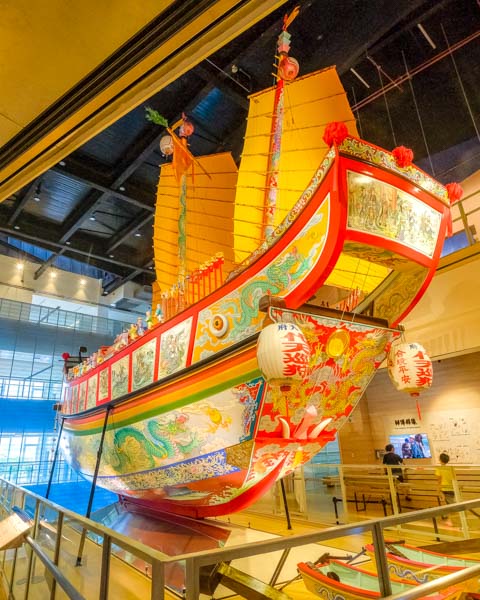
Pingtung King Boat Museum | 王船文化館
Add: No. 9, Chuantou Rd., Donggang Township, Pingtung County
(屏東縣東港鎮船頭路9號)
Tel: (08) 833-1680
Hours: Tue-Sun 9am-6pm
Website: www.cultural.pthg.gov.tw/kingboat
Xin Dong Jin Tuna Shop
Even though it’s some distance from the liveliest part of town, the museum is close to an excellent dining option. If you’re looking for sustenance after touring the museum, use your smartphone navigational aid to point you to Xin Dong Jin Tuna Shop, tucked away within a sleepy residential neighborhood. Lacking air conditioning or an appealing view, it nonetheless thrives – like so many other restaurants in Taiwan – by offering reliably good food at attractive prices.
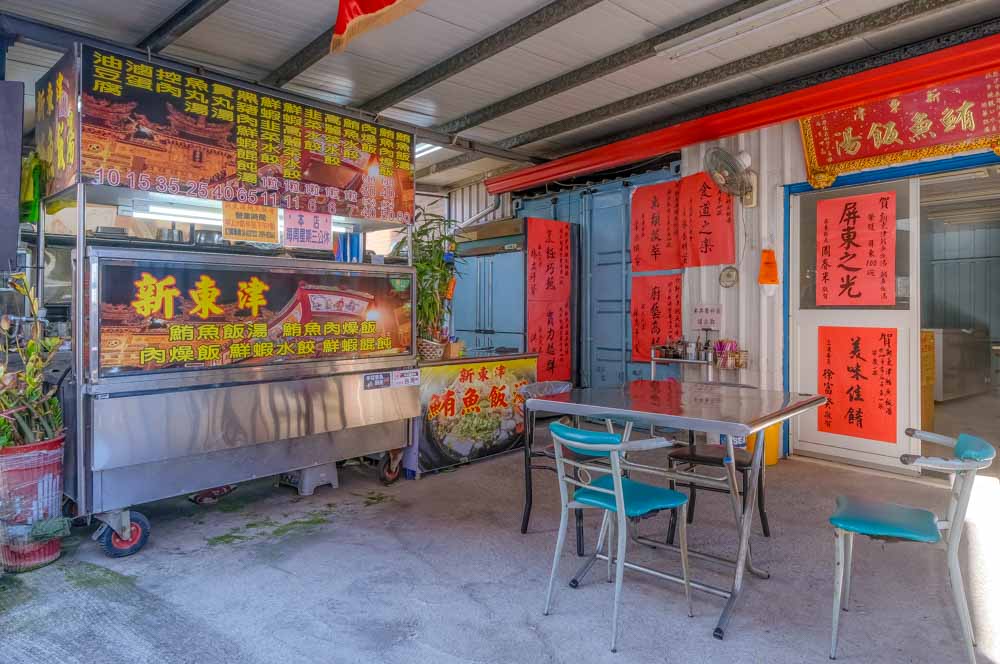
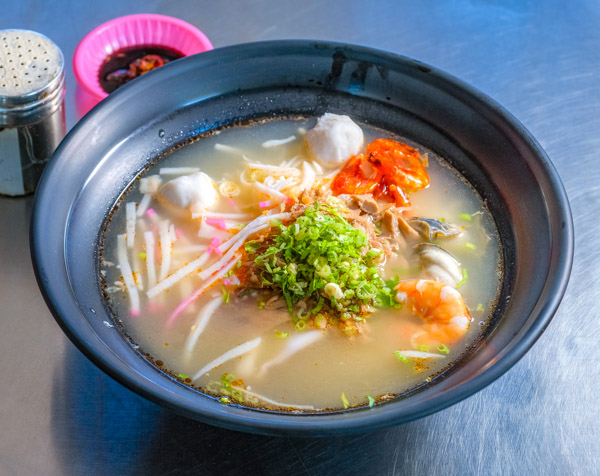
You can’t go wrong with the item listed at the top of the menu, Tuna Rice Soup (NT$80). This rich seafood medley features sakura shrimp, fish balls, a couple of oysters, a strip of calamari, as well as tuna flakes. The tuna-filled boiled dumplings (NT$7 each) are a rare and tasty twist on a local pork-filled staple. There are also a few non-seafood options.
Xin Dong Jin Tuna Shop | 新東津鮪魚飯湯
Add: No. 22-96, Chuantou Rd., Donggang Township, Pingtung County
(屏東縣東港鎮船頭路23-97號)
Tel: 0989-003661
Hours: 9:30am~7pm
Outside Donggang
Xiao Liuqiu
For travelers who like to base themselves in one place and set off on half-day or day-long jaunts, Donggang offers two notable getaways: Visible from the mainland coast, the tiny island of Xiao Liuqiu is accessible by regular ferry service from Donggang. For generations, the island’s inhabitants subsisted by fishing, growing peanuts and sweet potatoes, and taking temporary jobs elsewhere in Taiwan. In recent decades, however, tourism has become a key industry.
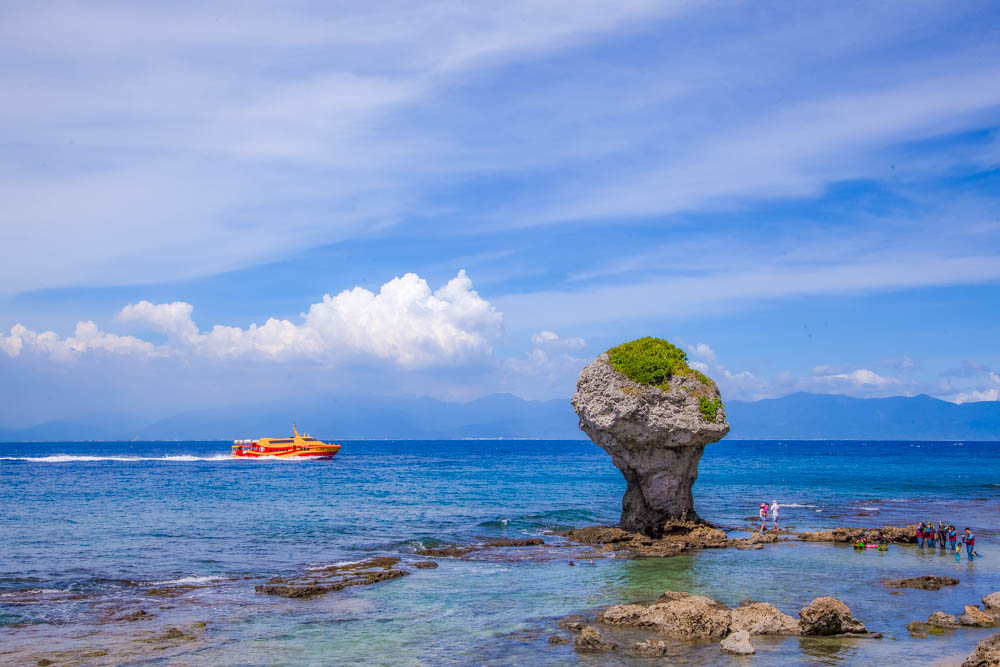
And no wonder! This 6.81 square-kilometer nub of dry land offers a delightful combination of beaches, dramatic uplifted coral-reef landscapes, and ecological wonders – with few of the downsides that afflict many similar popular destinations.
Whether you’re aiming for the slowest of slow-travel experiences or looking to pack a day trip to the brim, a snorkel and a sturdy pair of sandals (or neoprene water shoes) are essential. It’s nearly impossible to resist the island’s sublime coves, but those gorgeous shorelines are littered with sharp coral shards.
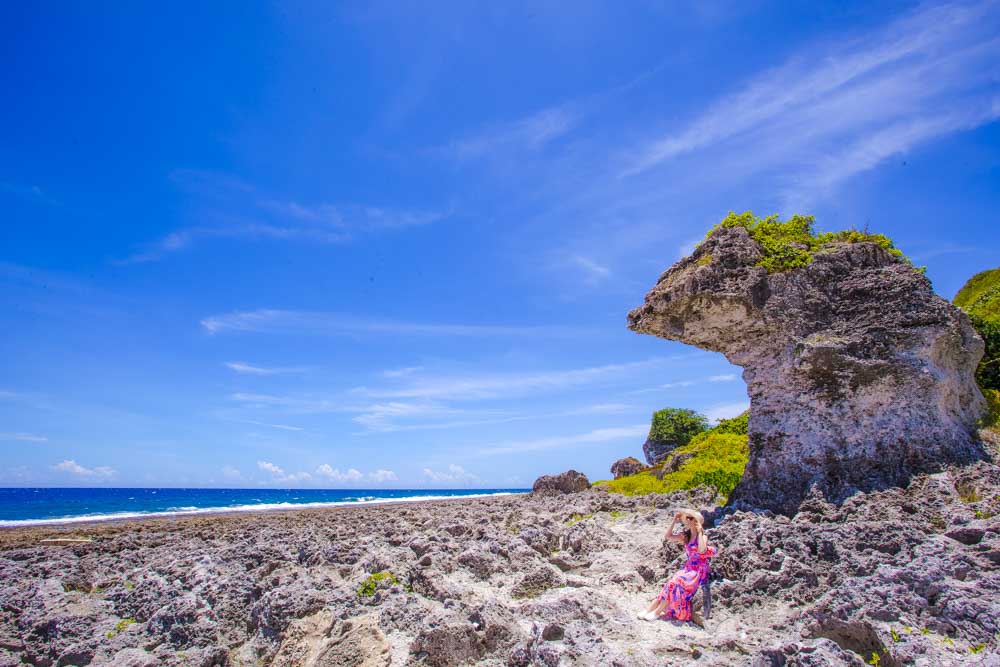
While a single admission ticket grants entry to all major on-land attractions, joining an ecotour of the intertidal zone requires a separate, modest conservation fee. Visitor numbers are strictly capped to protect Xiao Liuqiu’s most sensitive habitats, so it pays to book excursions ahead of time. With the help of a local guide, amid the rockpools and shallows, you’ll discover a world teeming with crabs, sea cucumbers, sea hares, rock-boring urchins, and – if you’re lucky – sparkling bioluminescent plankton.
You might not notice it immediately, but whether watching green sea turtles bob just offshore under the midday sun, or stargazing long after the last ferry has returned to Donggang, you’ll find there’s something about Xiao Liuqiu that lets you leave your worries elsewhere.
Dapeng Bay
A short drive or bike ride southeast of downtown Donggang, Dapeng Bay is a 532-hectare saltwater lagoon. Previously the hub of a military base, and later covered by oyster racks, it’s now a magnet for water-sports enthusiasts and ecotourists.
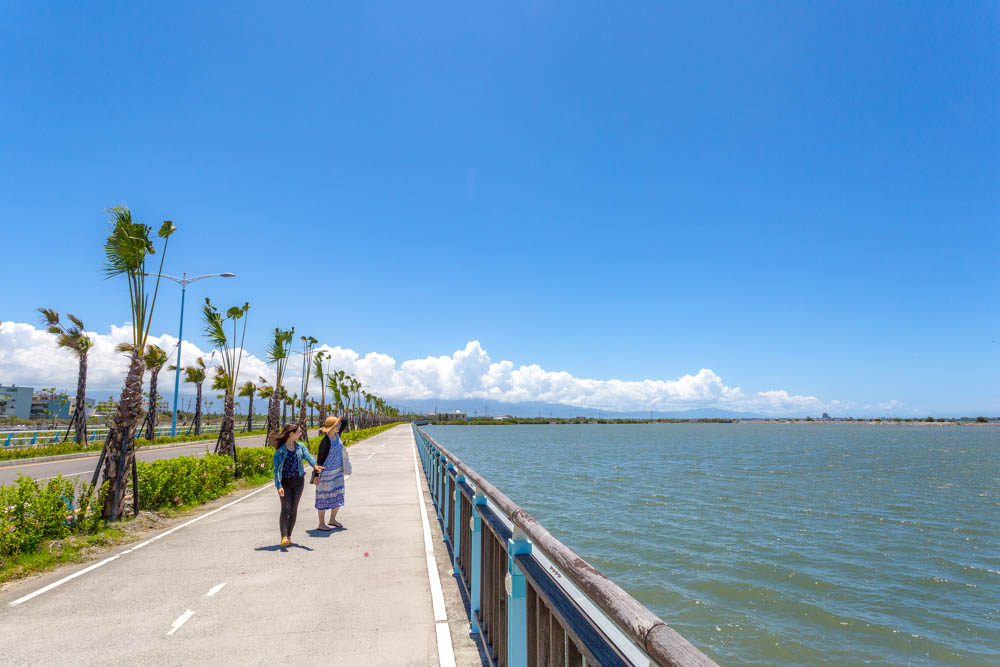
National Freeway 3 ends just a few hundred meters from the lagoon’s eastern edge, so if you’re driving to Pingtung County, it makes sense to explore the bay before heading into Donggang itself. That said, late afternoon is arguably the best time to be here, especially if you want to break out your binoculars and study the avifauna.
Qifeng Wetlands
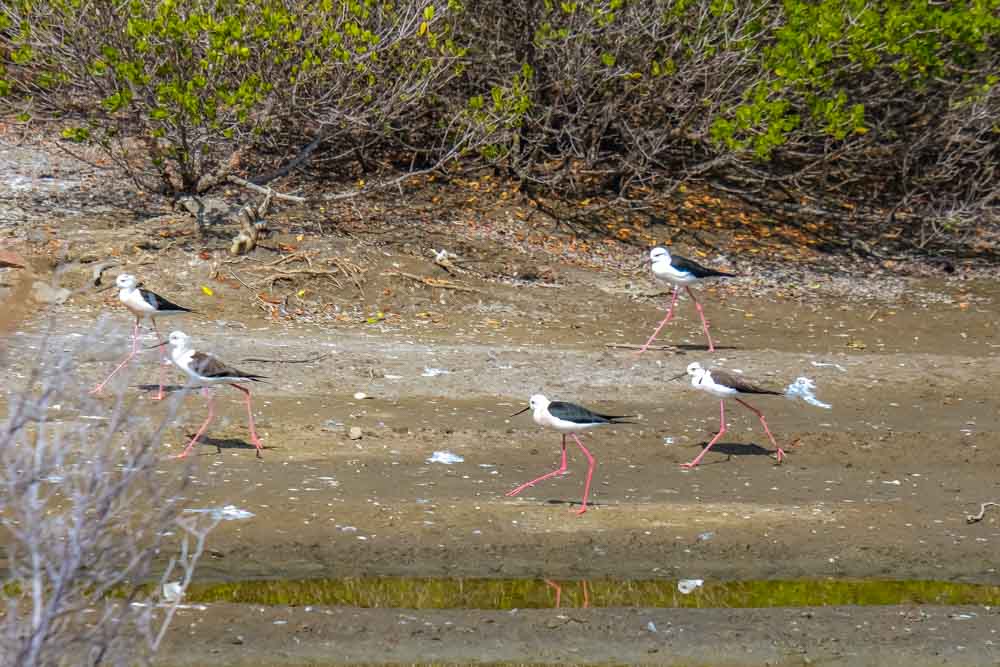
During the cooler months, the brackish ponds that fringe Dapeng Bay attract migrating waterbirds. Over 150 bird species have been spotted in the vicinity, with Qifeng Wetlands being a true avian hotspot.
While you can drive all the way around the lagoon, cycling the 13.3 kilometers is even better. If you’d rather not use a YouBike, rental businesses close to the Dapeng Bay National Scenic Area headquarters and adjoining visitor center (beside the bay, and accessible by bus) have a range of alternatives, including e-bikes.
Maritime Building
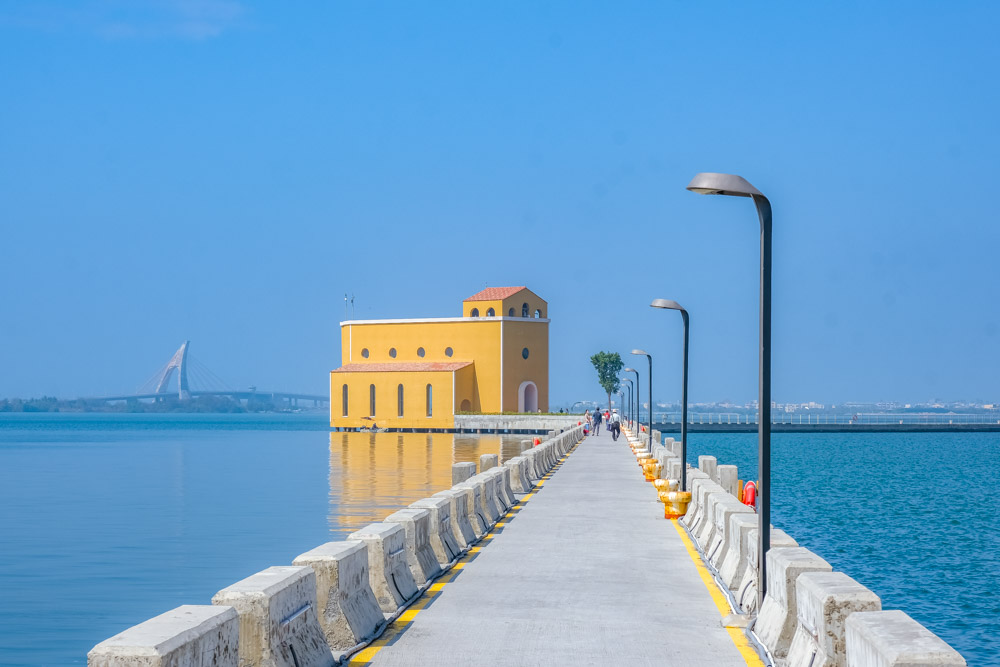
Near these facilities, the Maritime Building isn’t actually a church, despite what its Chinese name suggests (lit. “church on the sea”). However, its church-like architecture and special location – “floating” in the bay at the end of a pier – have made it a massive hit with Instagrammers.
Dapeng Bay Bridge
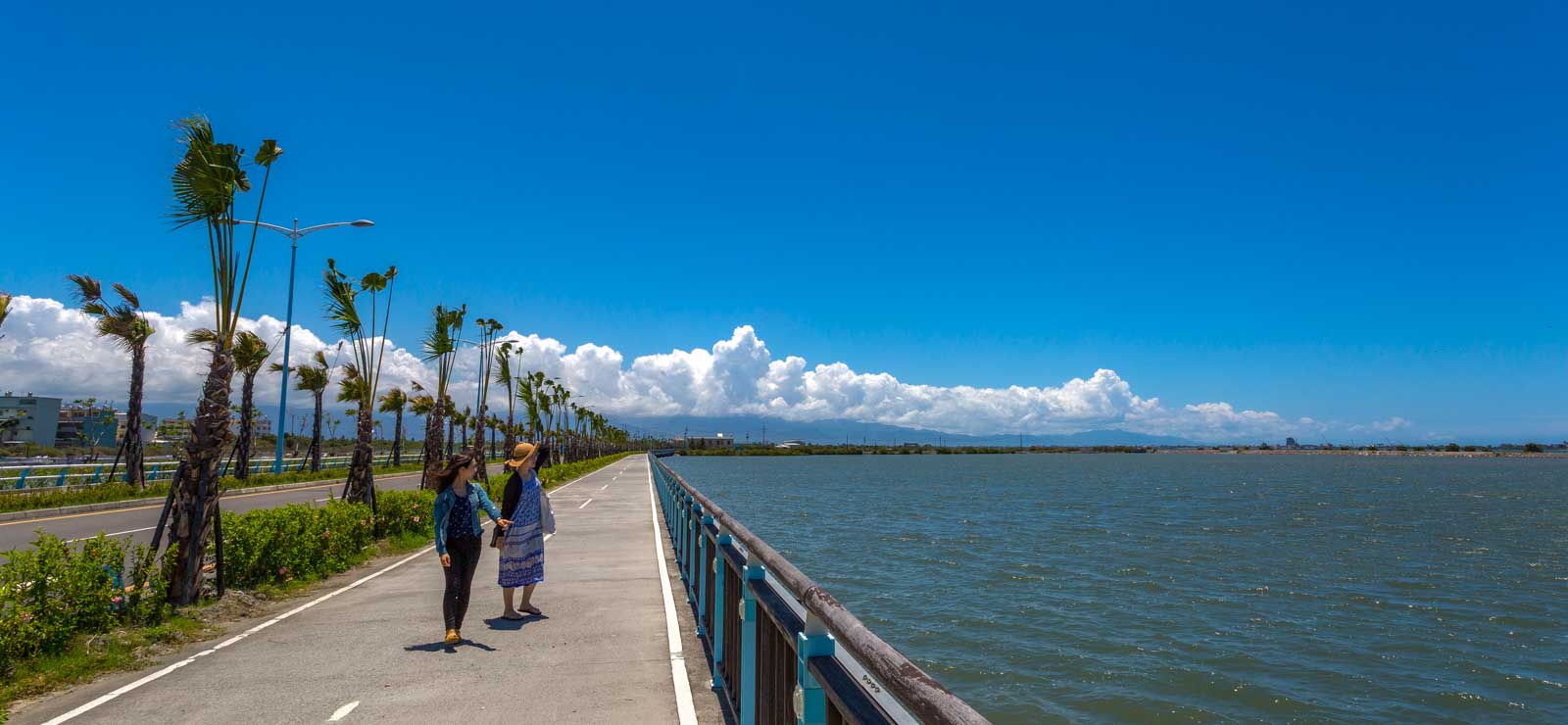
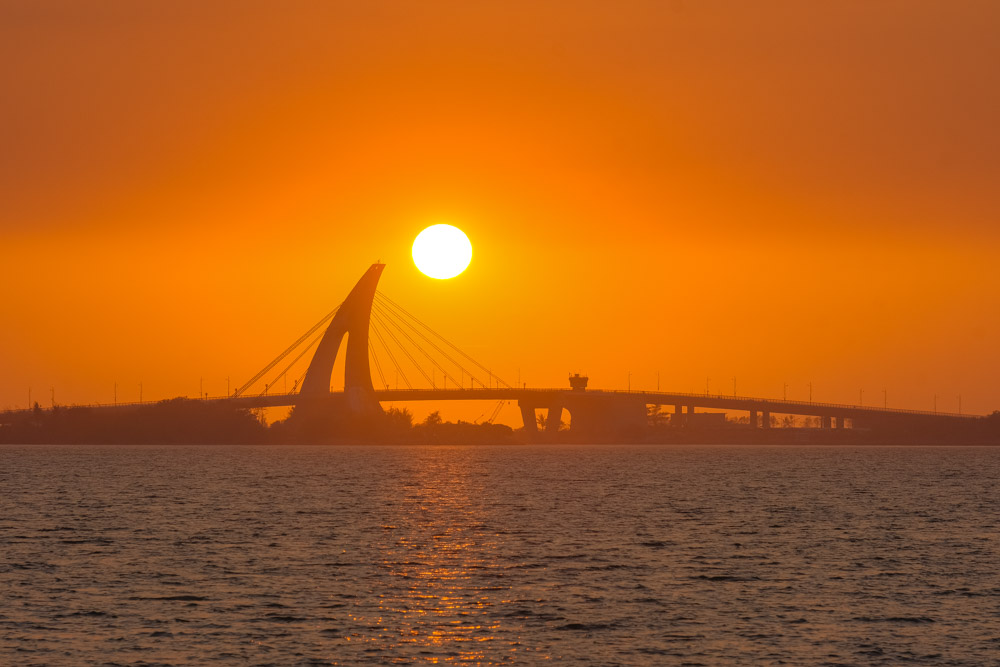
The outlet separating bay and ocean is spanned by the soaring Dapeng Bay Bridge, an elegant structure with a span that lifts up when larger craft need to access the lagoon. You also may want to halt at the southeastern end of the bridge and set off on foot. This corner of the scenic area, known both as Qingzhou Coastal Recreation Area and Qingzhou Bay, has facilities including picnic tables, a café, a bar perfectly situated for sunset cocktails, and beach volleyball courts.
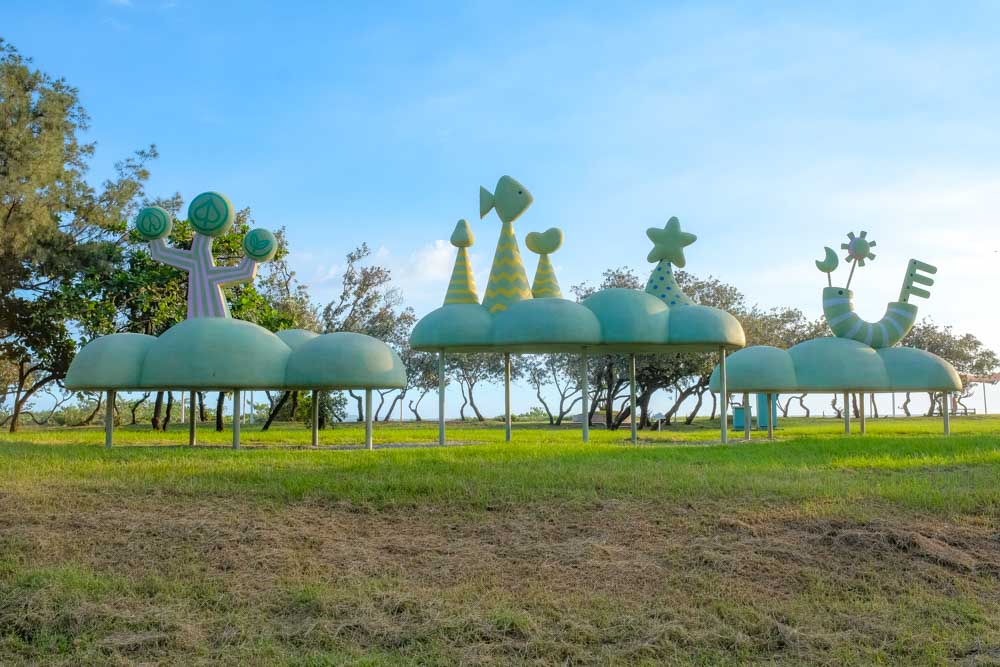
Be sure to wander as far as Yunguang Island, an award-winning public art installation. The solar-powered sculptures here recharge during the day, then take on a self-illuminating, dreamy glow after dark. There’s perhaps no more serene spot to wrap up your tour.
About the author

Steven Crook
Steven Crook, who grew up in England, first arrived in Taiwan in 1991. Since 1996, he’s been writing about Taiwan’s natural and cultural attractions for newspapers and magazines, including CNN Traveler Asia-Pacific, Christian Science Monitor, and various inflight magazines. He’s the author of four books about the country: Keeping Up With The War God (2001), Dos And Don’ts In Taiwan (2010), Taiwan: The Bradt Travel Guide (2010), and A Culinary History of Taipei: Beyond Pork and Ponlai (2018)
http://crooksteven.blogspot.com
http://bradttaiwan.blogspot.com