Why the Harbor Has Become Kaohsiung’s Top Tourist Draw
TEXT | STEVEN CROOK
PHOTOS | VISION
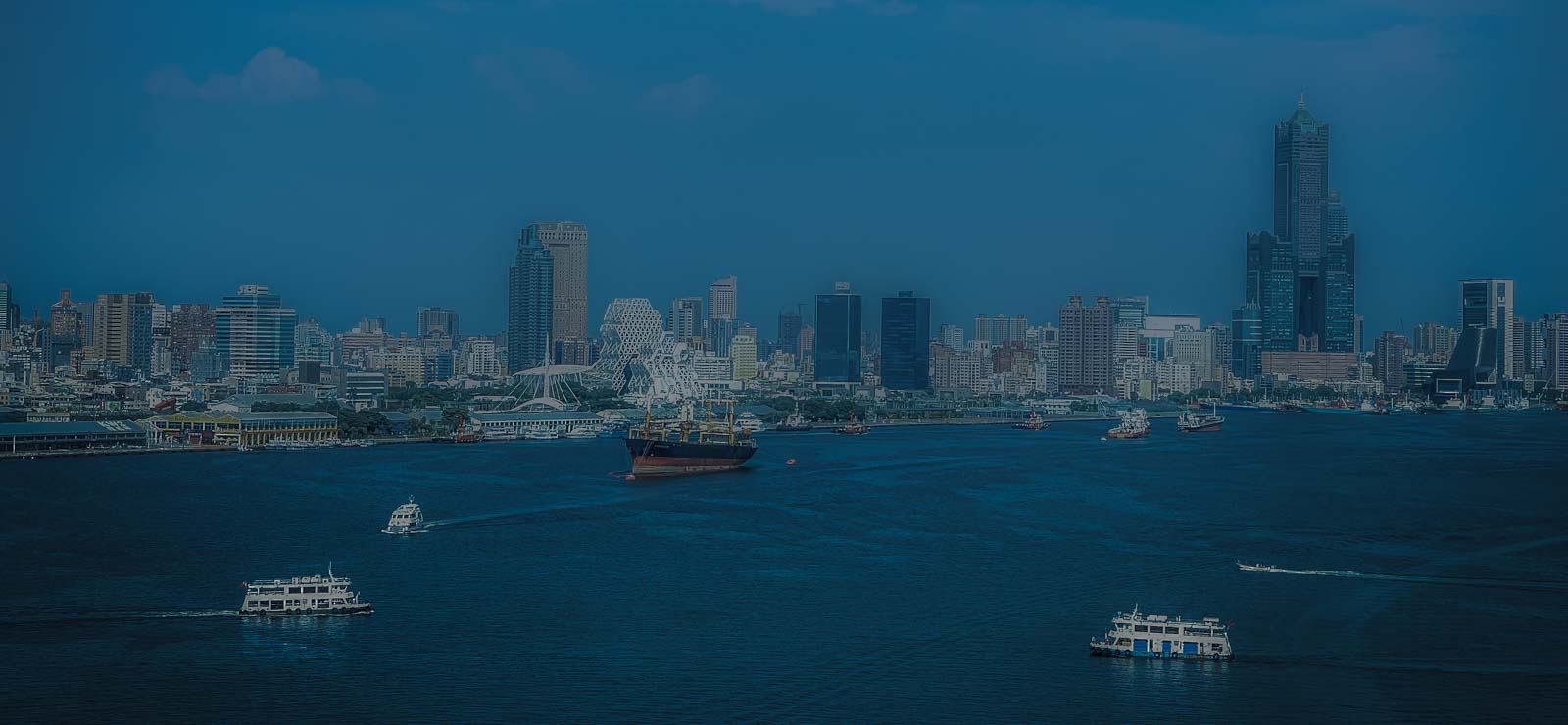
Shaped by a harbor that once ranked as the world’s third-busiest container-handling hub, central Kaohsiung spent half a century cut off from its own shoreline. Removing the port’s perimeter at the start of the 21st century let citizens and tourists embrace the sea and breathed fresh life into the city’s heart.
The city of Kaohsiung has undergone a dramatic makeover in recent times. Throughout the 20th century, south Taiwan’s biggest city was synonymous with heavy industries such as shipbuilding and steelmaking. It was a great place to find work, so hundreds of thousands of countryside people picked up and moved here, but until recent decades it offered little to tempt tourists.
Taiwan’s pivot toward high-tech manufacturing, combined with sweeping investments in transit and culture, has turned Kaohsiung into a thriving metropolis. Nowadays it isn’t just a great place to live, but also a destination that deserves a spot on any ten-day Taiwan itinerary.
Most visitors focus on sea-facing neighborhoods such as Hamasen. Now that the strict security of the island’s authoritarian era is a distant memory, it’s possible to walk or cycle through different districts along the waterfront from the British Consulate at Takow, past the Pier-2 Art Center and Kaohsiung Music Center, to the Kaohsiung Exhibition Center.
Of the myriad repurposed structures close to the water, one of the most popular is KW2 (Kaohsiung Port Warehouse No. 2). This 112-year-old edifice is now filled with cultural-creative shops, food and drink businesses, and hostel accommodation.
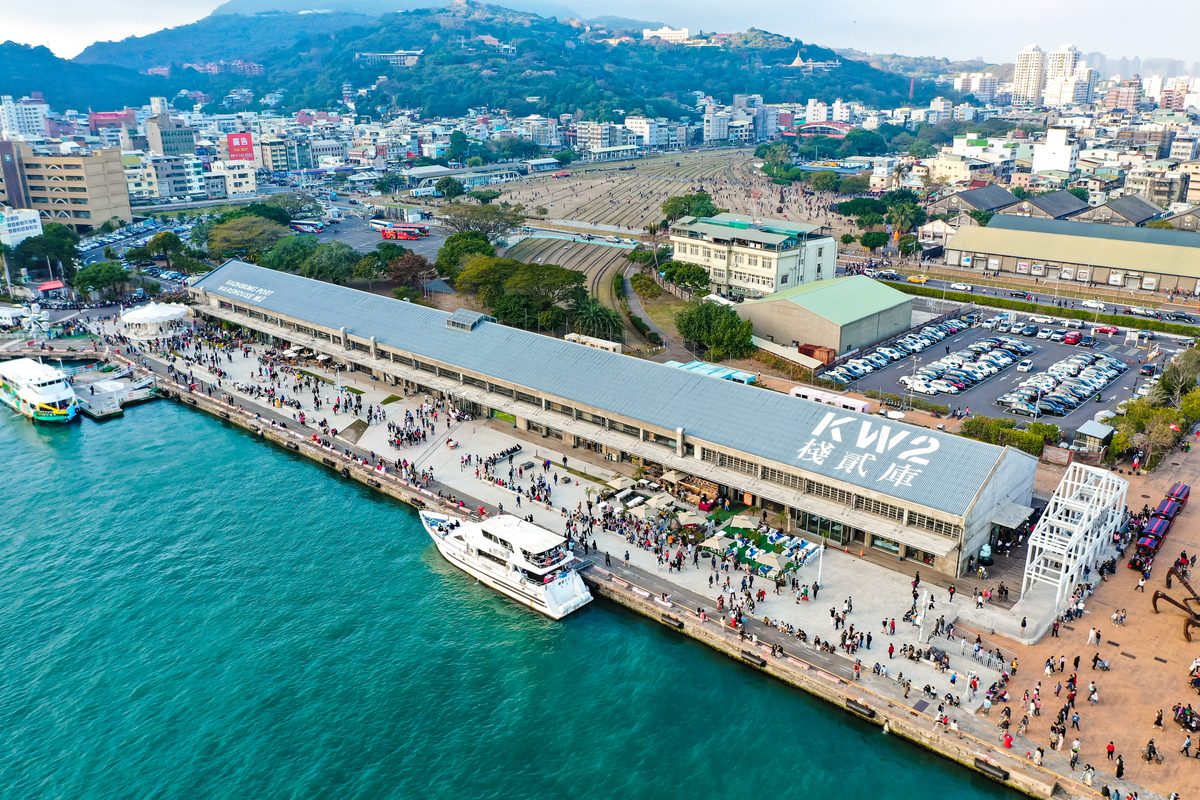
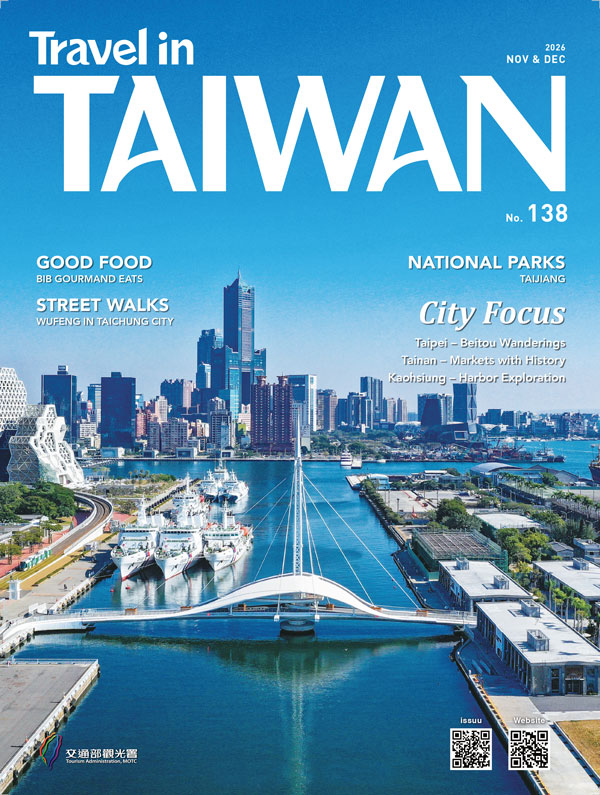
Additional eating options can be found in the former warehouses numbered 7, 8, 9, and 10, collectively known as Kaohsiung Port Depot 410. Thanks to the amazing Great Harbor Bridge, a horizontally rotating footbridge, this site – near where visiting cruise ships tie up – is a short walk from the Dayi Pier-2 station on the Green Circular Line of Kaohsiung’s light rail system. Train buffs might also want to take a look at the nearby former marshalling yard now known as Hamasen Railway Culture Park.
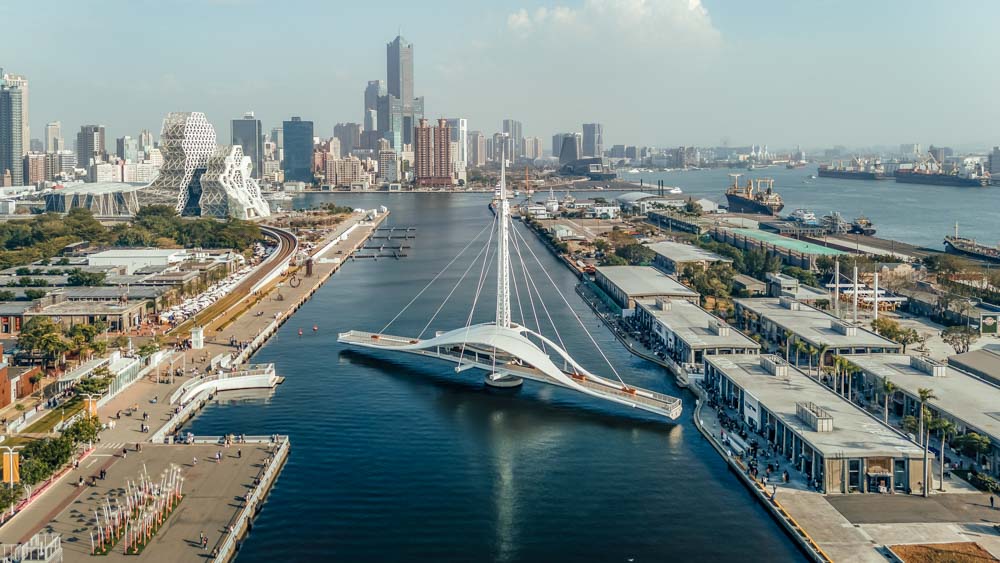
The 9km-long finger of land that shelters Kaohsiung’s harbor from the open seas didn’t become an island until the late 1960s, when engineers carved out a second, deep-water entrance. As a result, today’s Qijin Island has a split personality. At its southeastern end, it’s dominated by cranes, straddle carriers, and other cargo-port infrastructure. The northern part of the island, by contrast, is home to a characterful community called Qihou.
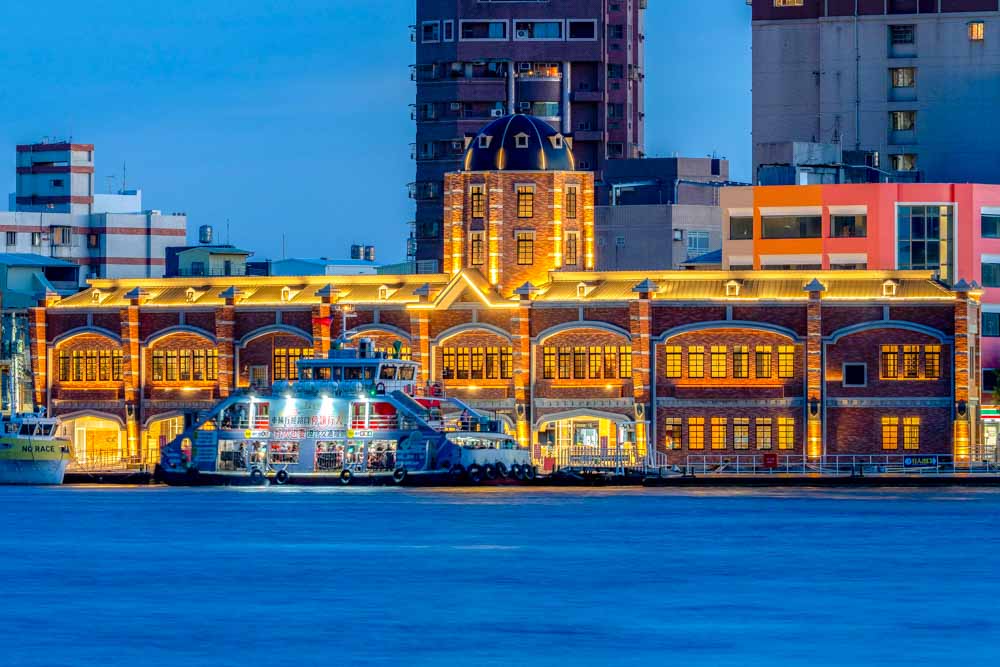
Regular ferries make the short crossing between Hamasen and Qihou, and a few minutes after disembarking at the latter, travelers can take a look around at what’s reckoned to be Kaohsiung’s oldest place of worship. Established in 1673, Qijin Tianhou Temple is dedicated to Mazu, the goddess of the sea. Other noteworthy tourist spots close to the northern tip of the island are the Kaohsiung Lighthouse and Qihou Fort, both offering insight into the city’s history and providing excellent views of the harbor and the urban center beyond.
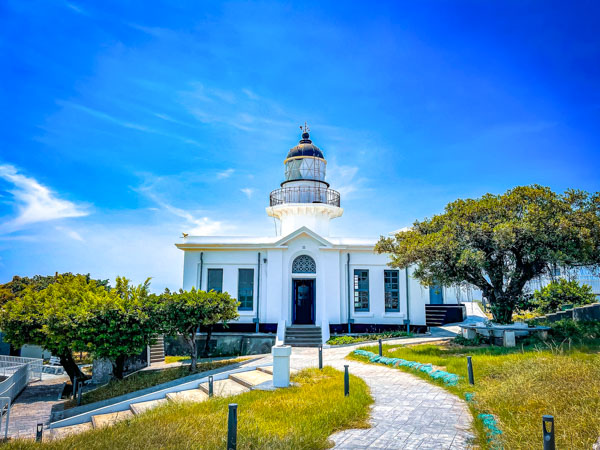
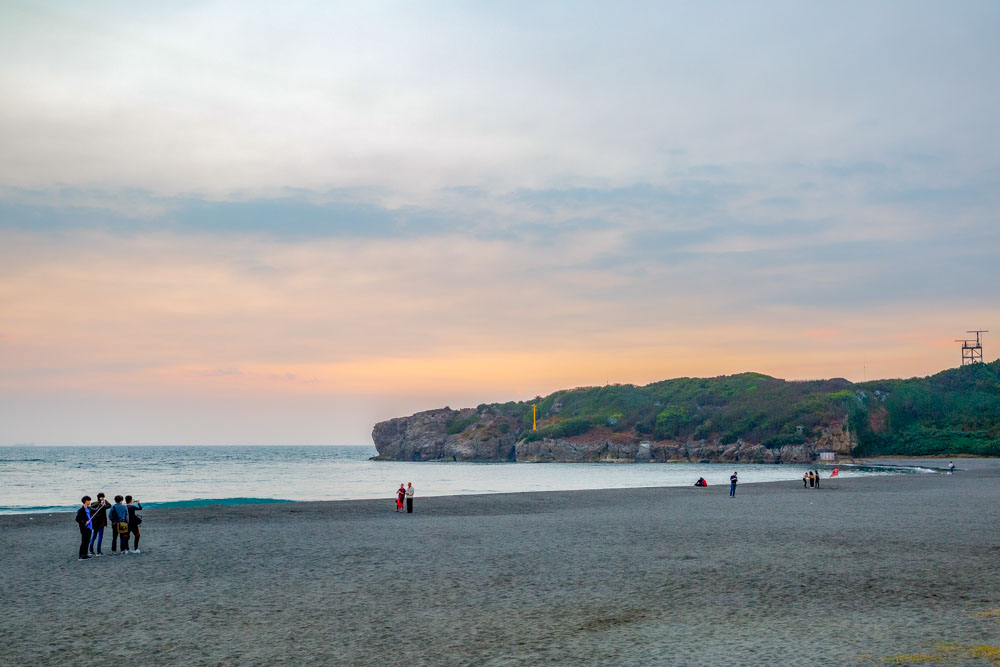
If you want to take in gorgeous sunsets, spend the golden hour at Qijin Beach. Swimming here is permitted, but only in designated zones during certain hours in the warmer months. Happily for winter visitors, Qijin’s seafood restaurants are open almost every day of the year, and well into the evening. The cooler months are perfect if you want to rent a bike, explore, then sit down for a memorable repast.
Cultural Harbor Cruise
Kaohsiung’s harbor is so deeply tied to the city’s history and economic standing that it can’t be overlooked. But getting a proper view of it wasn’t at all easy until the city government launched the Kaohsiung Cultural Cruises in 2012.
There are now multiple options, among them voyages to Hongmaogang Cultural Park – which is situated in a hard-to-access location, facing the southern end of Qijin Island – and sailings to and from the British Consulate at Takow.
A favorite route is the 50-minute KW2 Grand Harbor Cruise (NT$300 per person; culturalcruise.hmg.org.tw), beginning and ending at KW2, a short walk from the Hamasen stations on the Kaohsiung Metro’s Circular Light Rail and Orange lines. There’s a ticket office inside KW2 but, because this is a very popular outing, travelers are advised to book ahead online (through Klook or KKday) or via the ibon machines found in most convenience stores around Taiwan.
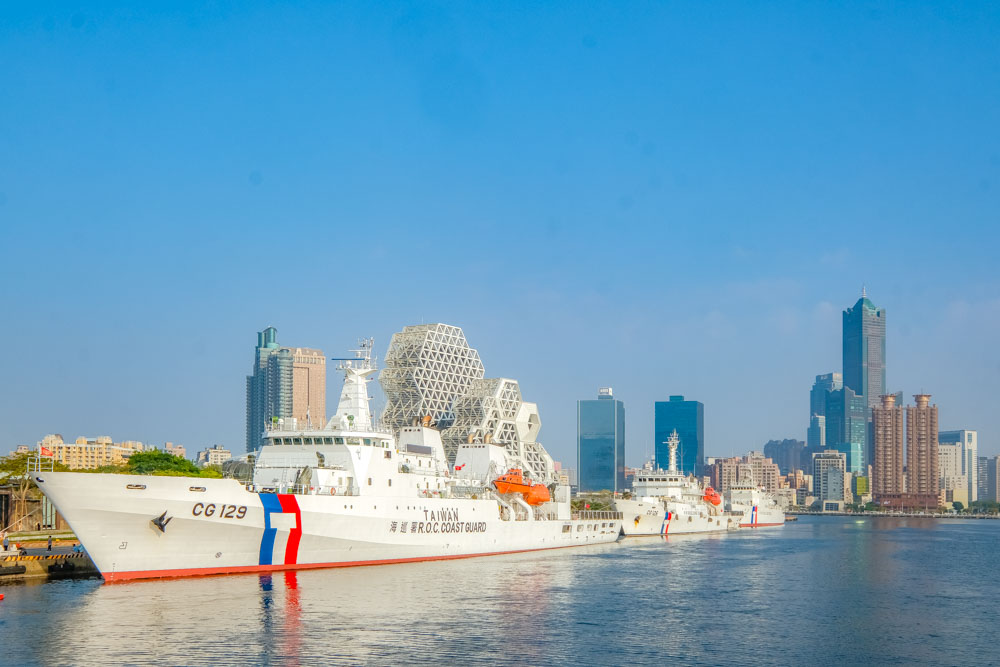
Check in at least 20 minutes before departure; otherwise you won’t be allowed to board. And there’s another good reason to arrive at KW2 well before your ship sails. Order a coffee, sit by the window or go outside, and watch the activity on the water. You’ll likely see – moving or moored – ships on which freight containers are stacked five high, bulk carriers, tugs, and the strikingly colorful SeaBus (which connects KW2 with Qihou). Naval and coast guard vessels are sometimes on the scene, and you’ll also be able to make out cranes, cement silos, and other dockside infrastructure in the distance.
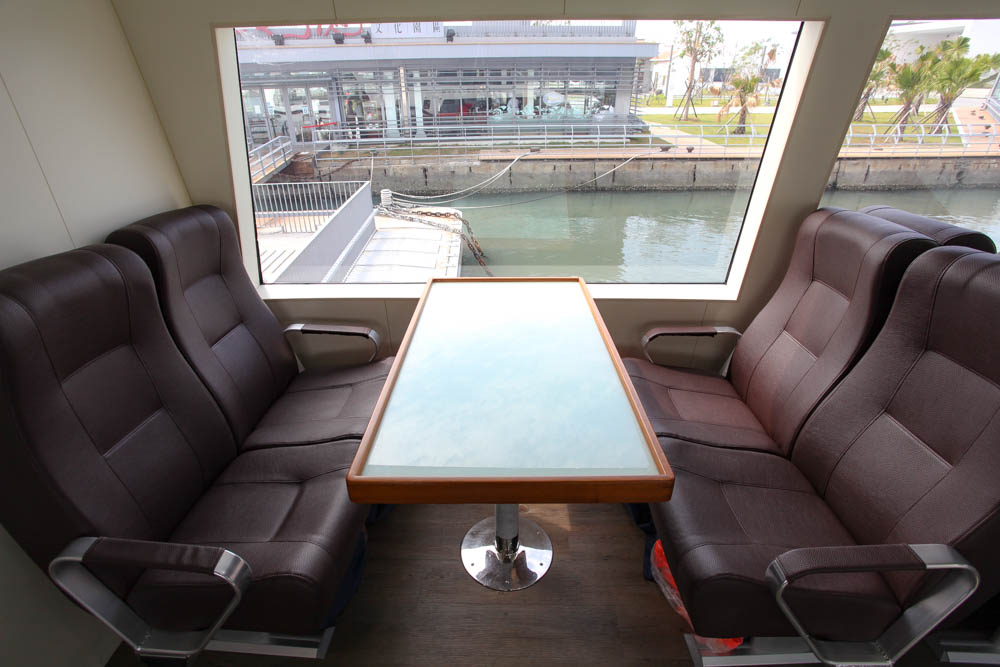
The double-deck motor yachts used for the cultural tours carry no more than 72 passengers at a time, and don’t feel uncomfortably crowded, even when all spots are taken. For those who prefer sea breezes to air conditioning, or who want to get the best possible photographs, the shaded stern area is the place to be.
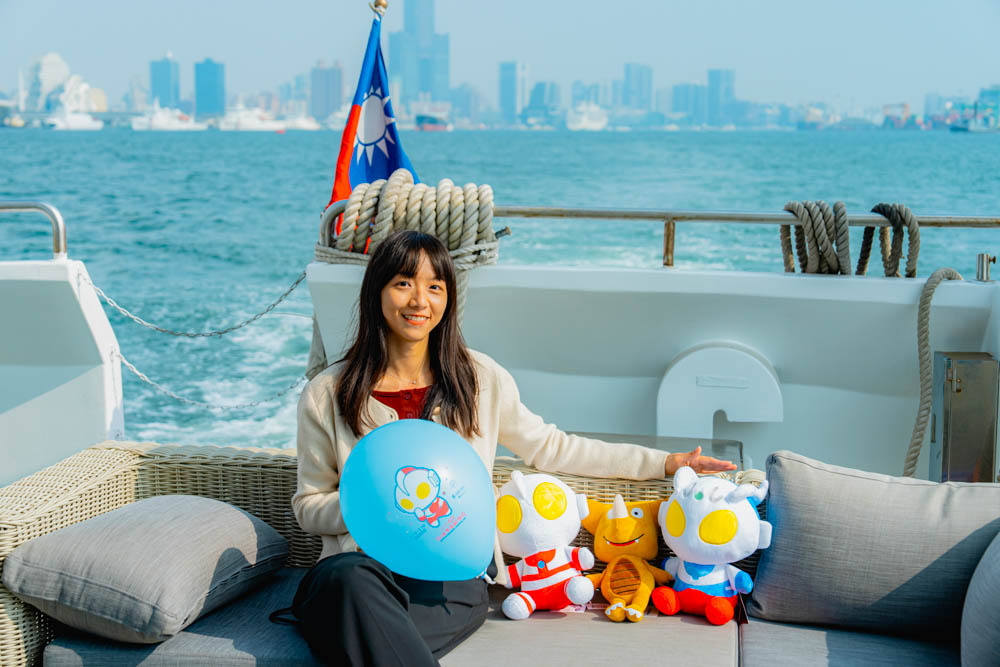
Excursions are accompanied by Mandarin-speaking guides who introduce both onshore architectural highlights and some of the vessels you will see along the way. Travelers who don’t speak Chinese might want to familiarize themselves with the route in advance, or follow the yacht’s progress using an online map.
Each harbor cruise begins with the yacht gliding southeast, to where the Love River empties into the harbor. Approaching the Love Pier, the Kaohsiung Music Center comes into view. The most eye-catching part of this complex, often likened to a honeycomb, is on the western side of the river mouth, but the facility also includes venues on the other bank. The music center is a major reason why, in recent years, Kaohsiung has been so successful at booking major international acts.
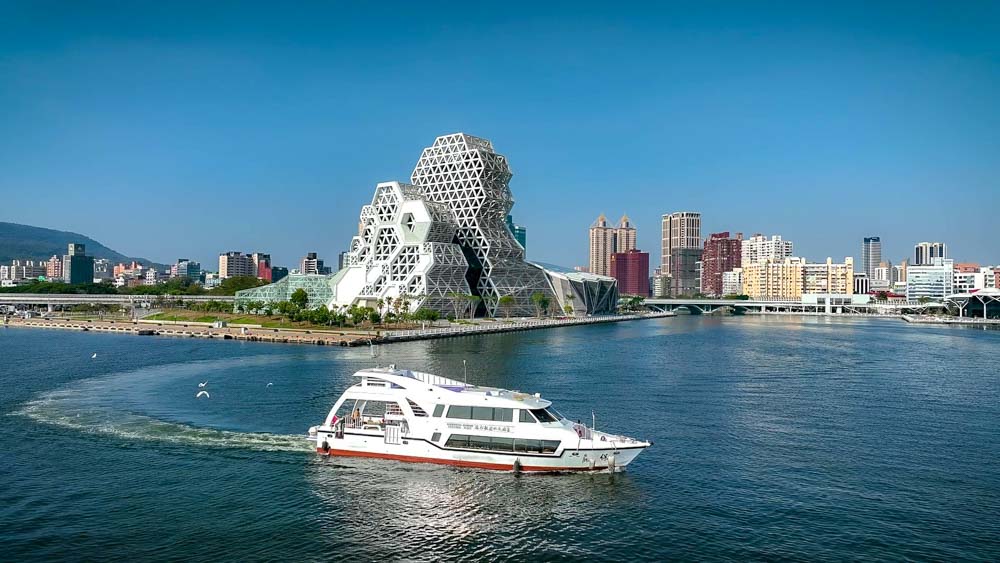
Resembling a whale, or perhaps a gigantic shoe, the Kaohsiung Port Cruise Terminal is proof of the city’s ambitions to attract even more international cruise ships in the future. A few hundred meters from the waterfront, but impossible to miss, is Taiwan’s second-tallest building, 85 Sky Tower. Almost a decade older than Taipei 101 (and designed by the same architect), the tower’s unique “prong” shape was inspired by the first character in Kaohsiung’s name (高), which also happens to mean “tall” or “lofty”.
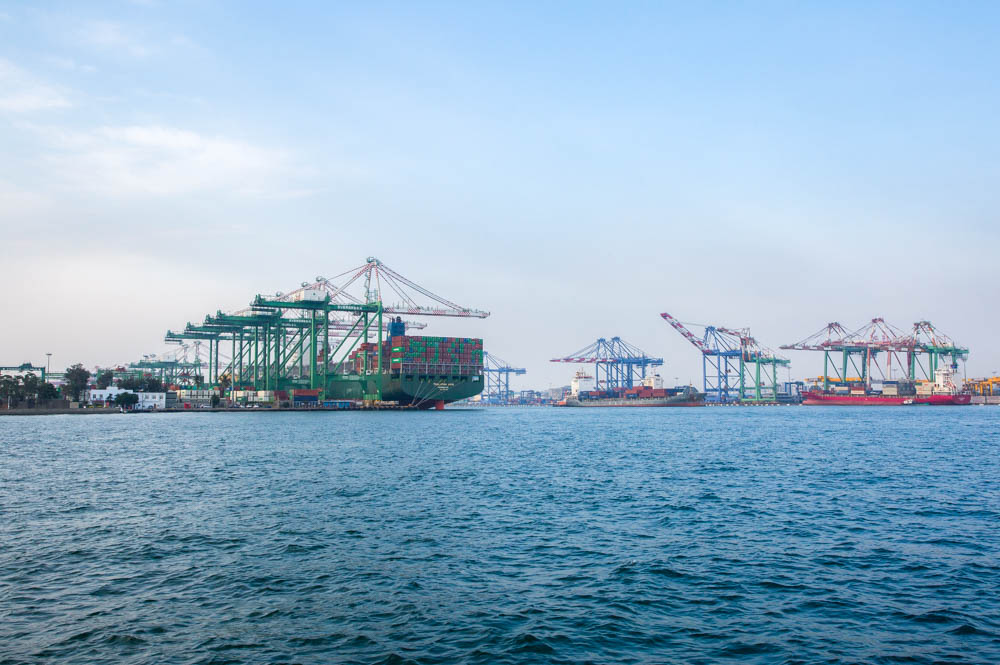
After passing the airport-terminal-like Kaohsiung Exhibition Center, it’s time to view a less glamorous but highly functional side of the harbor: the No. 1 Container Terminal and shipyards, which turn out both vessels for Taiwan’s navy and some of the world’s most luxurious yachts.
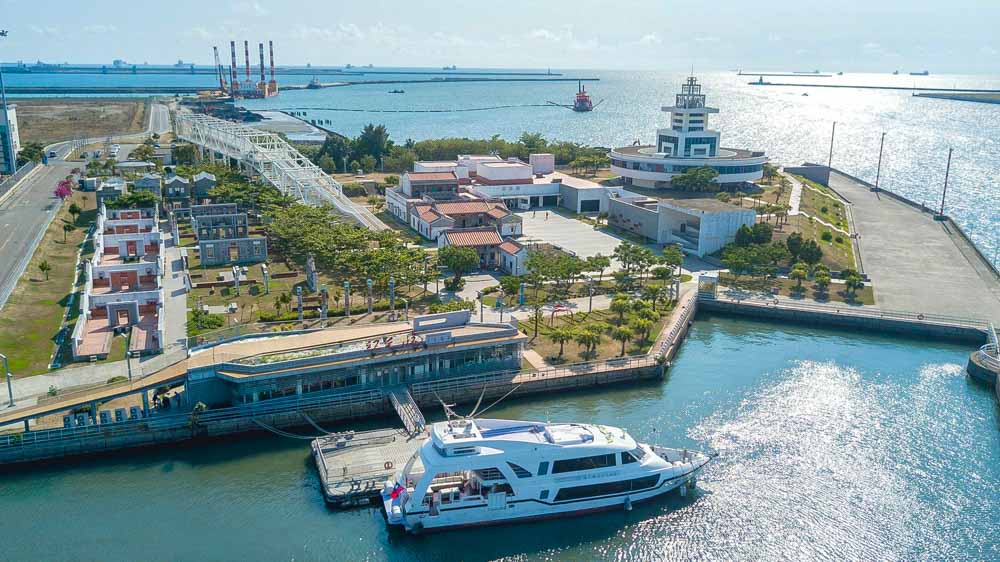
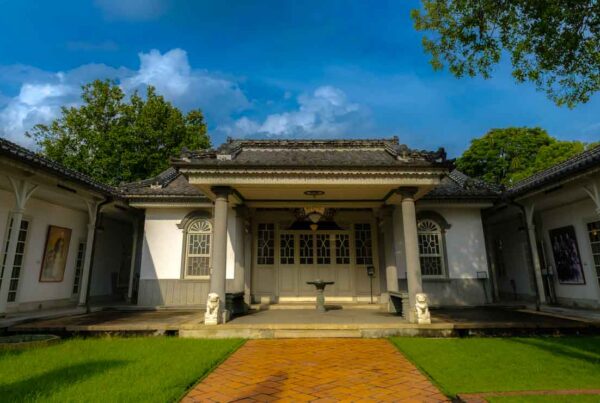
Turning around and sailing back northwest to the old harbor entrance, near the end of the tour, passengers will notice the aforementioned 143-year-old Kaohsiung Lighthouse atop a small hill – and appreciate that, around the same time as the lighthouse was built, the British occupied prime real estate on the opposite (mainland) promontory, building both a consular office and a hilltop residence.
Modern Kaohsiung differs vastly from how it was in the 19th century, but one thing undeniably remains the same: The ships, large and small, that pass between the former consulate and the lighthouse are still central to the city’s identity and prosperity.
About the author

Steven Crook
Steven Crook, who grew up in England, first arrived in Taiwan in 1991. Since 1996, he’s been writing about Taiwan’s natural and cultural attractions for newspapers and magazines, including CNN Traveler Asia-Pacific, Christian Science Monitor, and various inflight magazines. He’s the author of four books about the country: Keeping Up With The War God (2001), Dos And Don’ts In Taiwan (2010), Taiwan: The Bradt Travel Guide (2010), and A Culinary History of Taipei: Beyond Pork and Ponlai (2018)
http://crooksteven.blogspot.com
http://bradttaiwan.blogspot.com