A Visit to Lovely Lanyu
TEXT | AMI BARNES
PHOTOS | RAY CHANG, VISION
Before arriving on Lanyu (aka Orchid Island, Ponso no Tao, or Island of the People), I’d heard consistently glowing tales of this volcanic outpost from those whose opinions on such matters I trust. As it transpires, they were wholly accurate. Framed by wave-weathered coastal scenery and jungle greenery, life on this island, drifting 62 kilometers east of the Taiwan mainland’s Pingtung County (but being part of Taitung County), still follows the seasons of the sea – it’s truly a place like no other.
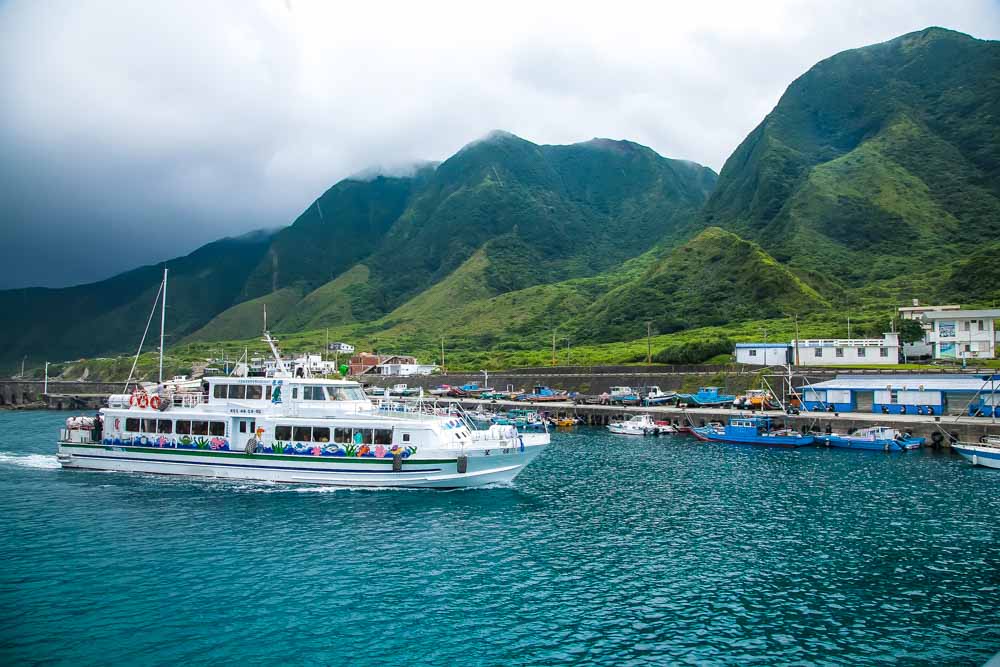
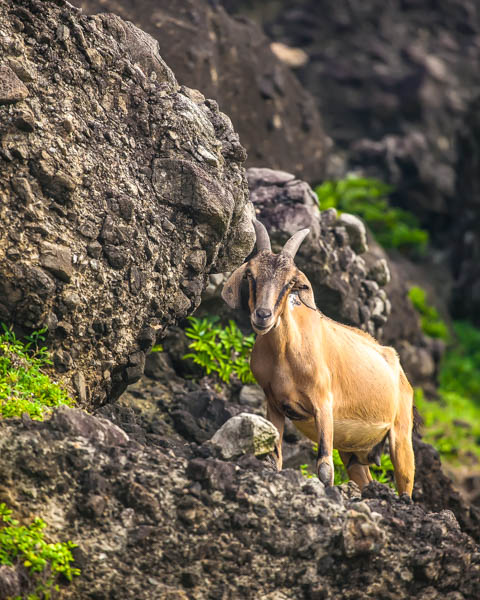
Despite its many charms, Lanyu remains stubbornly off the radar for international travelers, a fact that is explained at least in part by the challenging logistics. There are planes, but tickets sell out fast, and the services are frequently grounded by weather. The 2.5-hour ferry ride from Taitung County’s Fugang Harbor? Let’s just say it has a reputation for upsetting sensitive tummies. Still, as our team disembarked during a recent Travel in Taiwan trip, surrounded by the hubbub of reuniting families and delivery drivers collecting wares, brisk wind swept away any vestigial queasiness, and the three-goat-strong welcome party picking its way along the Kaiyuan Harbor wall put me in a sunny mood. Before the sun had set on that first day, I had already committed to returning – all boat-related travails forgiven in the face of Lanyu’s captivating natural beauty and laidback tropical island character.
Indigenous Culture
One thing that sets Lanyu apart from the rest of Taiwan’s outlying islands is the fact that roughly four-fifths of its 5,000-strong population are indigenous. The group self-identifies as the Tao, meaning simply “the people” (though a miscommunication during the 1895-1945 Japanese era means they’re still referred to in government documentation as the Yami), and based on genetic similarities, linguistic links, and oral histories, it’s believed they migrated here from the Batanes Islands in the Philippines some centuries ago.
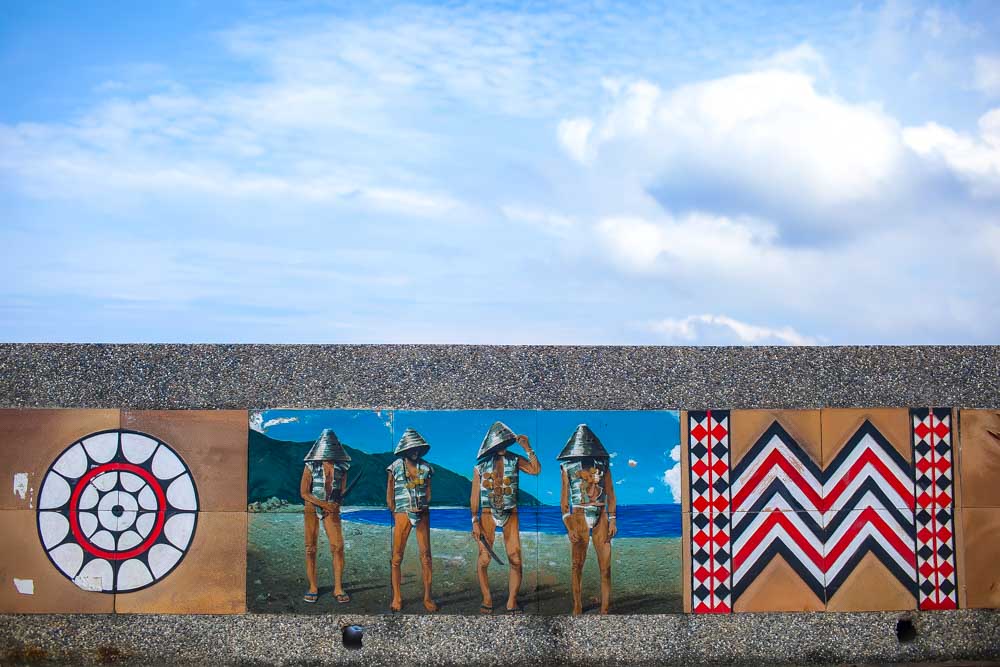
The group’s relative isolation has given rise to a culture with many highly unique elements (I urge you to Google “Tao tribe ceremonial clothing”), and has also left it better placed to resist both overt and creeping pressures towards assimilation into Taiwan’s dominant Han culture. That’s not to say Lanyu remains frozen in time, but there’s probably nowhere else in Taiwan that you can hear young kids singing songs in an indigenous tongue as part of the nightly rubbish disposal ritual.
For the casual observer, perhaps the most noticeable symbol of Tao culture is its watercraft. White with red hulls and decorated with a geometric sunburst pattern to ward off maritime mishaps, these hand-carved canoes are deeply symbolic – they’re a means of providing for the family, a marker of a village’s prosperity, and a sacred connection to ancestors. Each year, the vessels also play a central role in the Mivanwa, a fish-summoning festival, with teams of fishermen heading out to sea to call flying fish down from the heavens. Outsiders are welcome to observe the event, which takes place sometime in March (precise dates vary from village to village), though it’s not for the faint of heart – a fair amount of livestock slaughtering is involved.
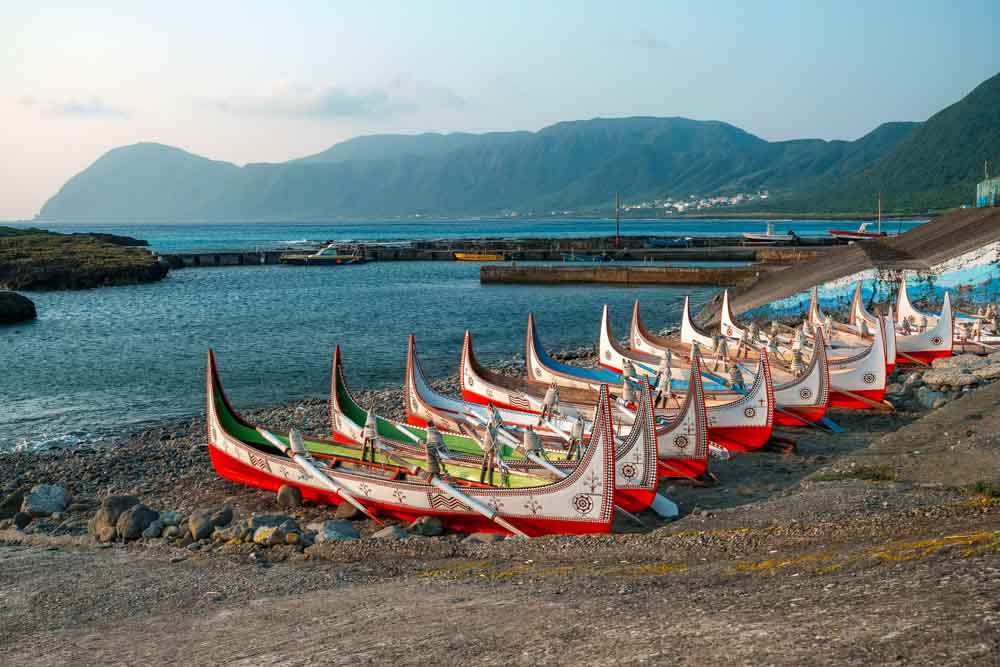
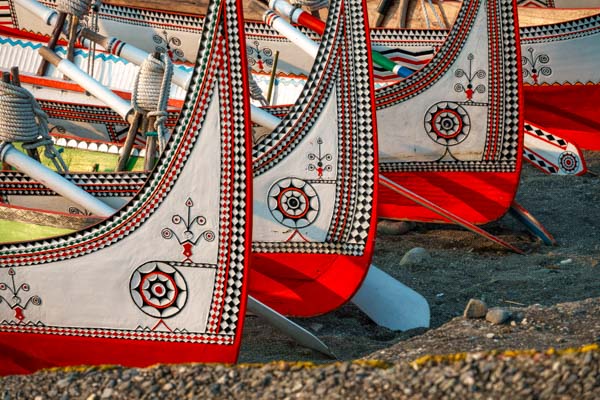
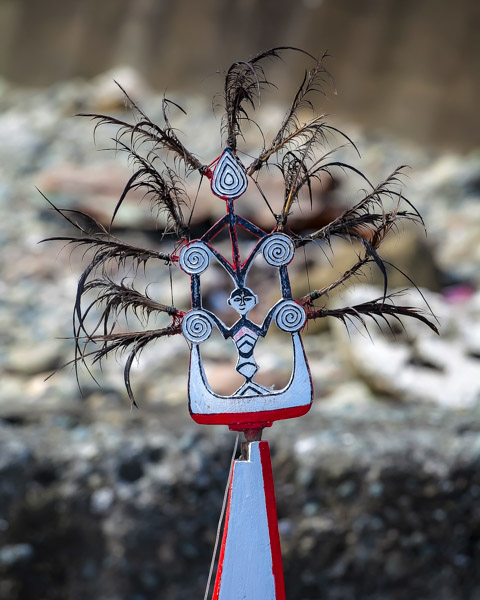
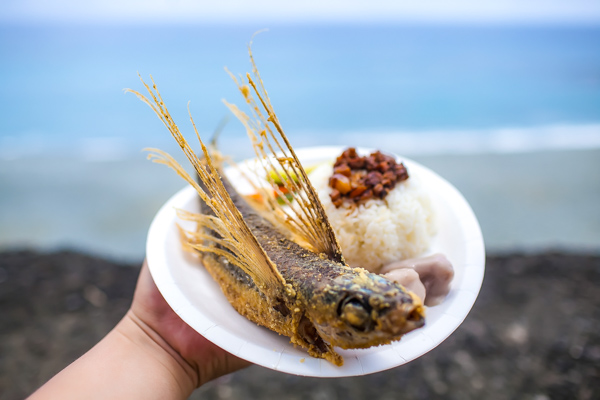
The Mivanwa is not the only date in the Tao year dictated by flying fish. In fact, the fish, known as libangbang (gift from Heaven), are something of a horological anchor – the entire calendar revolves around their presence or absence. The season for catching flying fish (Raayon) usually commences in April, and during this time, islanders are forbidden from catching reef-dwelling fish. Raayon segues into Teyteyka, the time when families focus on drying the fish, and then, around September, the extended flying fish season closes with the festival of Kaliman, during which any remaining dried fish must be divvied up among the village’s pigs and dogs. Thereafter, the island enters Amyan, aka the season of waiting for flying fish.
Yeyin
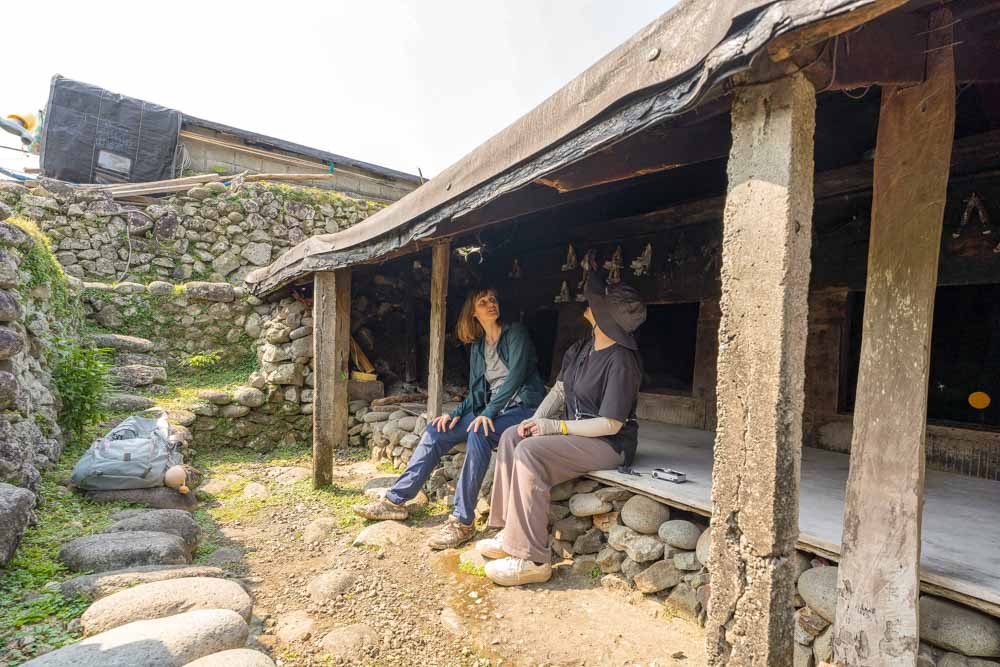
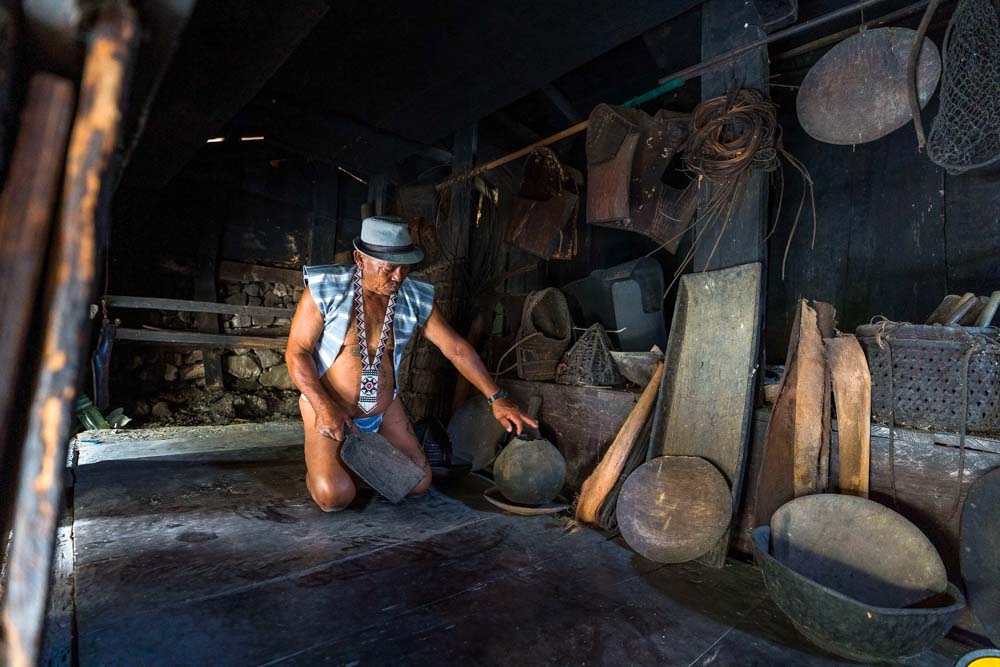
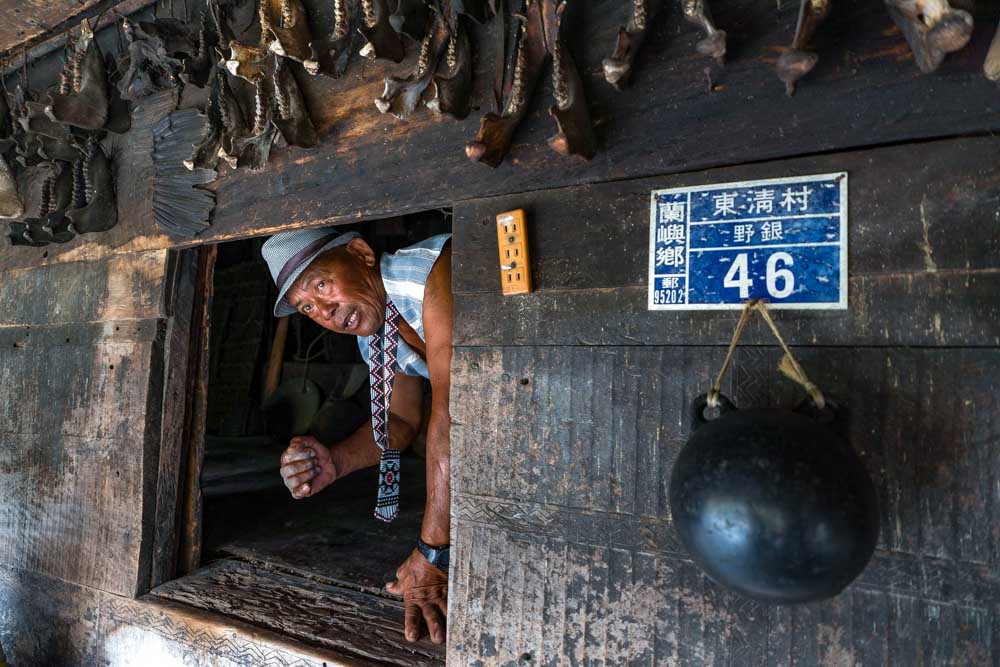
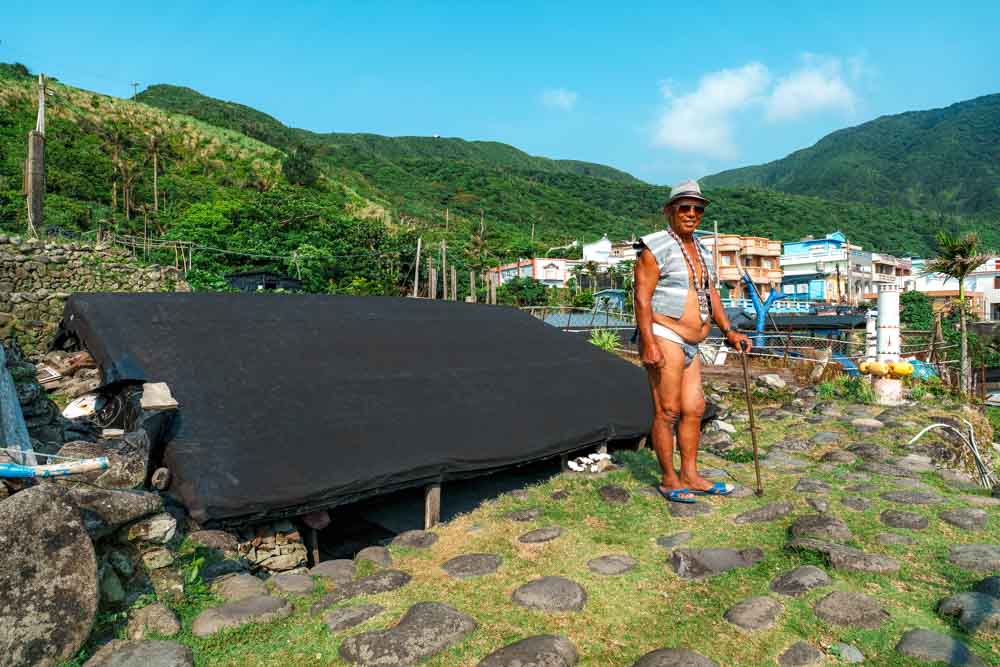
Another tangible facet of island culture can be seen in Yeyin (Ivalino)– the island’s best-preserved Tao village. Built as an adaptation to an unforgiving climate of summer typhoons and winter monsoons, Lanyu’s semi-subterranean dwellings are a fascinating architectural oddity, and though few islanders still occupy them today, outsiders can look around (only as part of guided visits). We joined one such tour with a village elder who showed us around his property dressed in the traditional loincloth and vest, accessorized with sunglasses, a jaunty hat, and a cane (needed to compensate for a construction accident he’d suffered while working on the mainland). The tours are currently Mandarin-only, but if you can arrange a translator, they’re by far the best way to get an insight into how the Tao lived and live.
Coastal Scenery
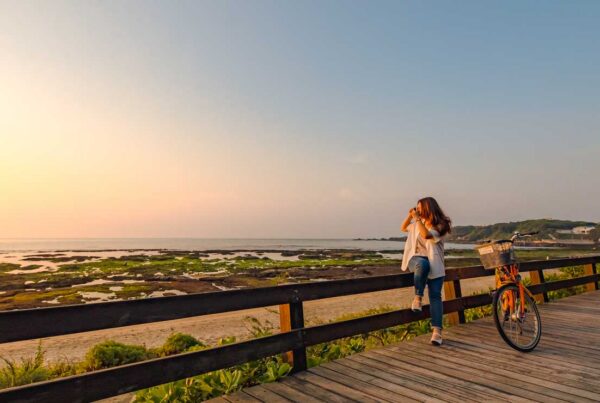
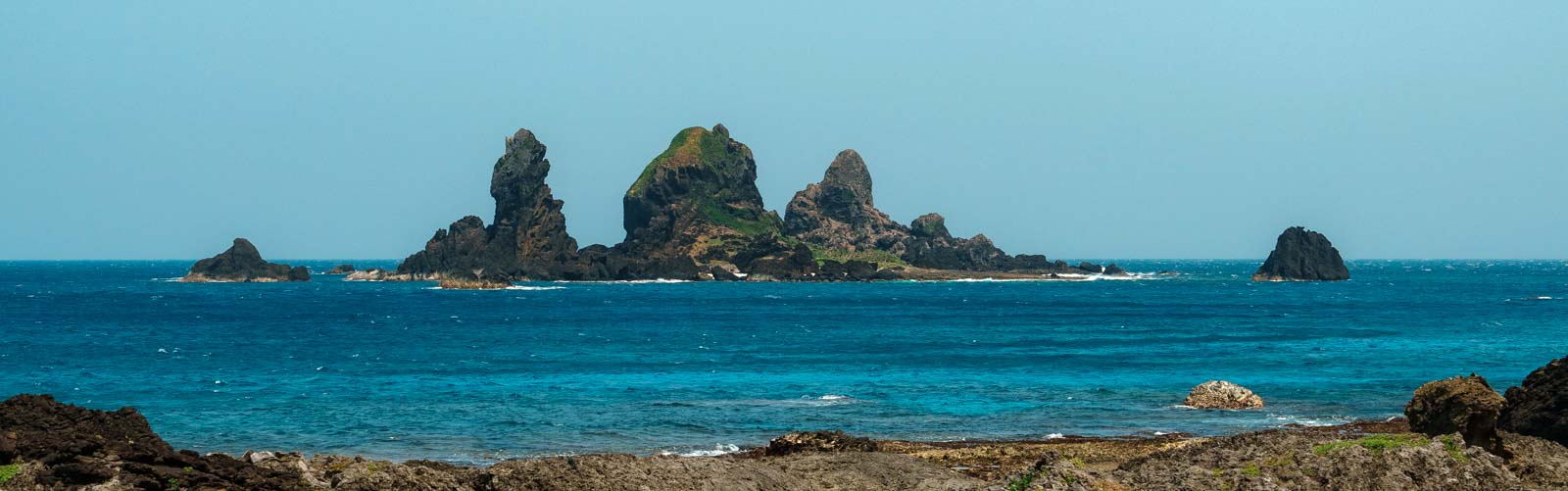
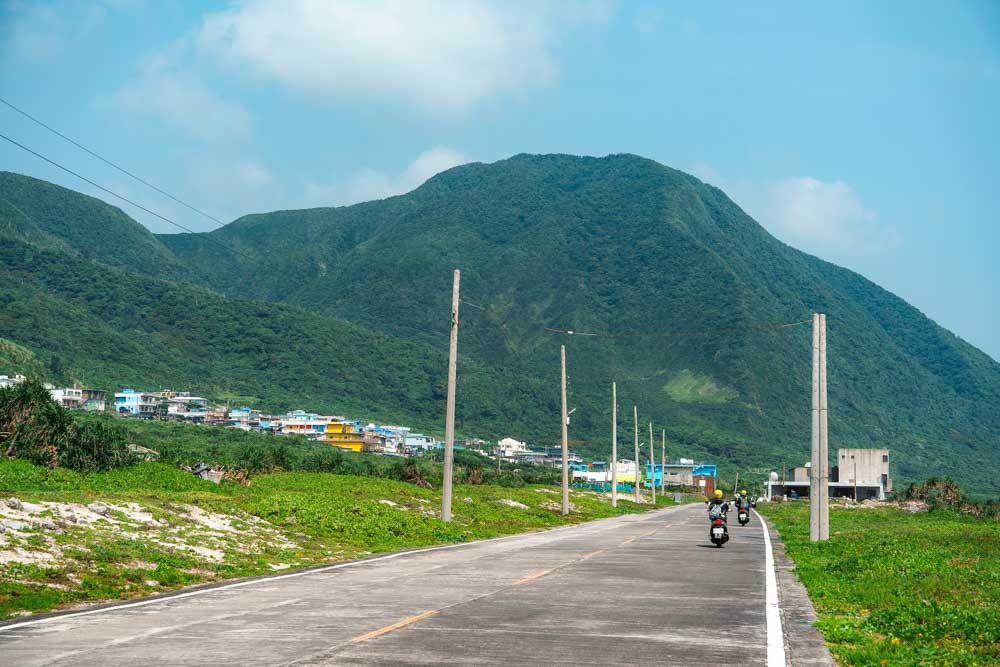
Indigenous culture aside, the most impressive thing about Lanyu is the island itself, and the best way to experience this is by striking out for a spin around the 36-kilometer round-island road. Some iron-calved souls opt for bicycles, and the flocks of international birders tend to travel in mini-vans, but for the most part, the scooter reigns supreme, and though doable in an hour, the landscape justifies taking your time. Rocky peaks covered in jungle – the very top tips of submarine volcano-formed mountains – dominate the interior, while honeycombed rock formations and pebbly bays are strung along the narrow shoulder of coral-capped coastline.
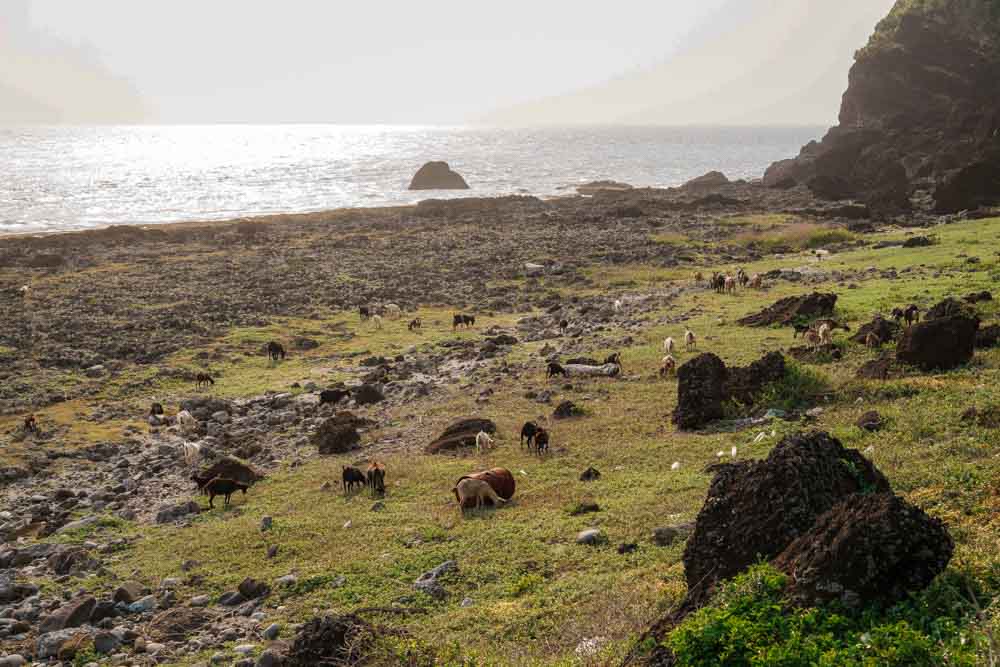
Heading north from Kaiyuan Harbor, we passed herds of free-roaming goats foraging the foreshore before arriving at one of Lanyu’s most recognizable landmarks, Hongtou Cave (Jaykmey Sawasawalan). The road cuts straight through this cave, looking for all the world like a portal to an island paradise, which – having been there – I know is not too far from the truth.
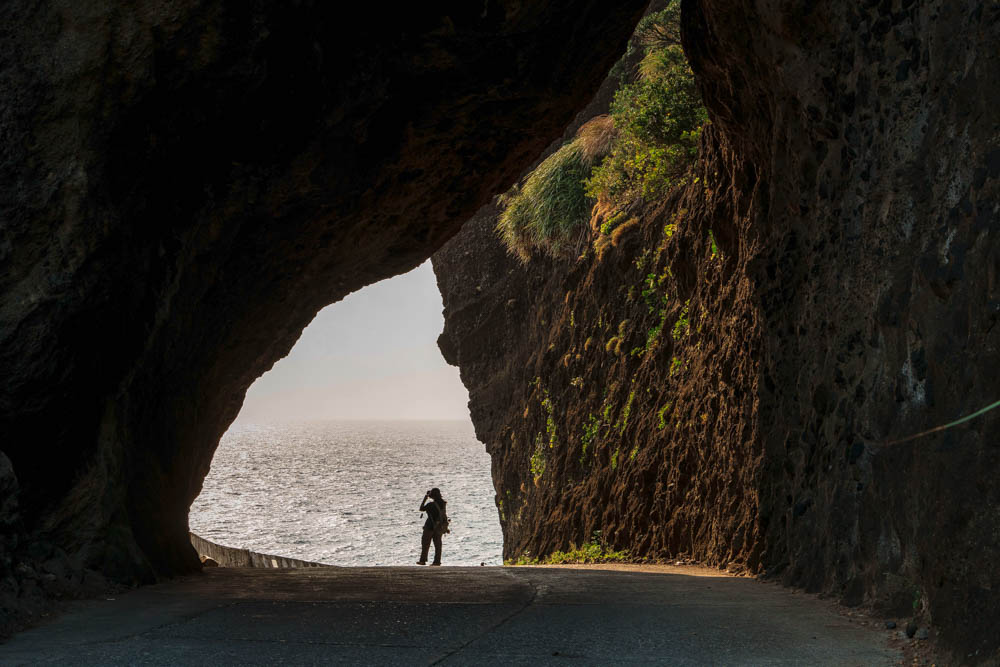
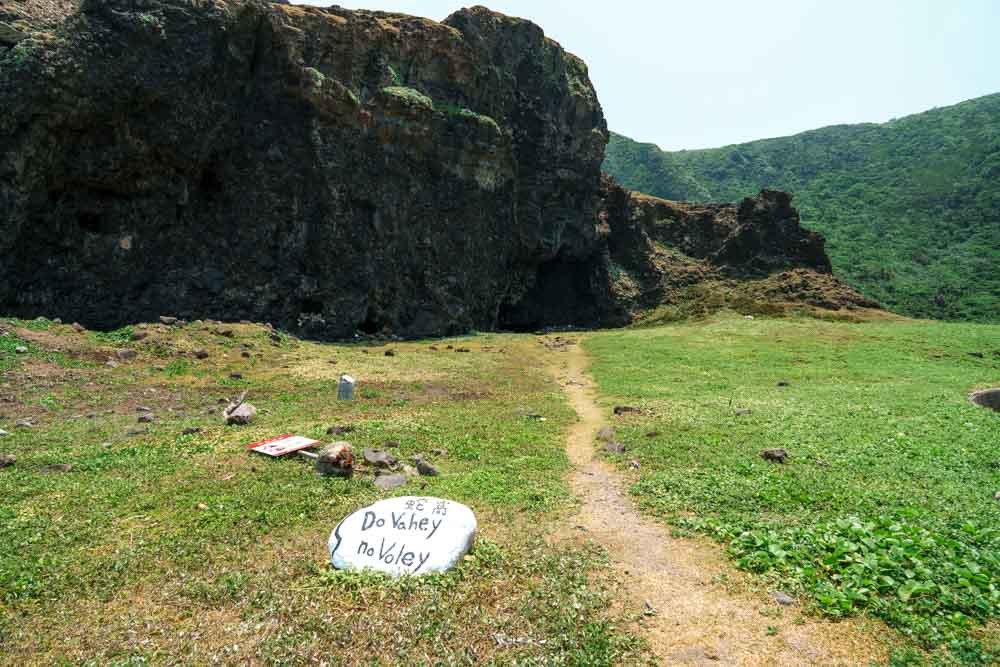
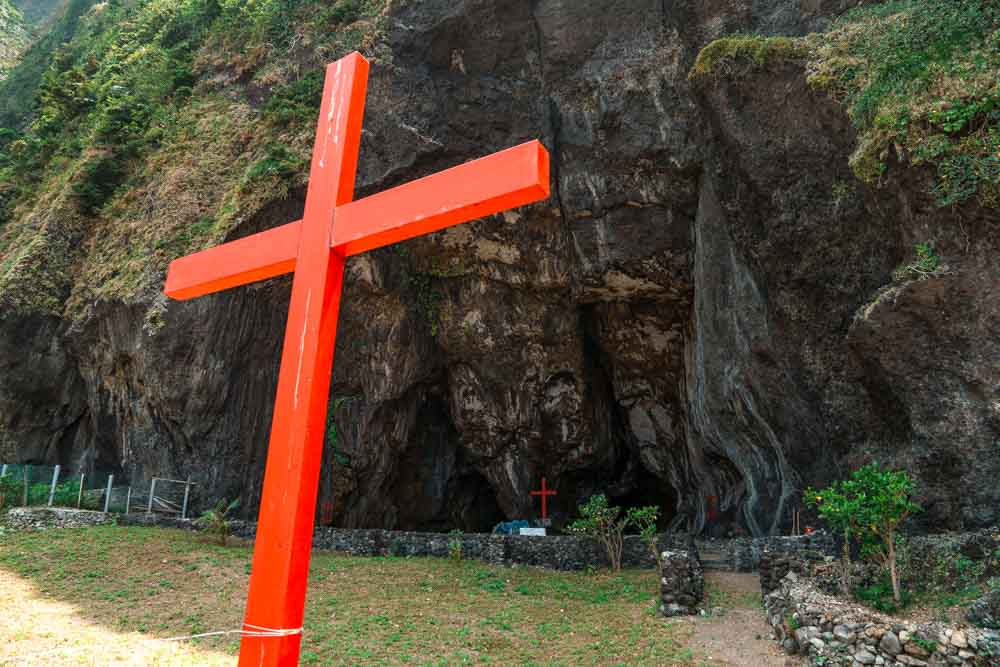
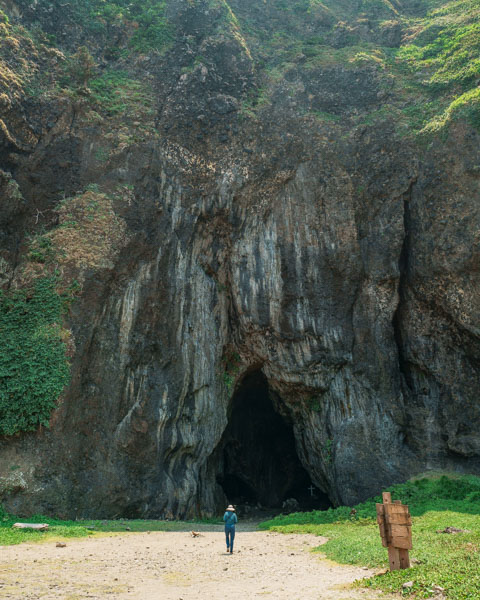
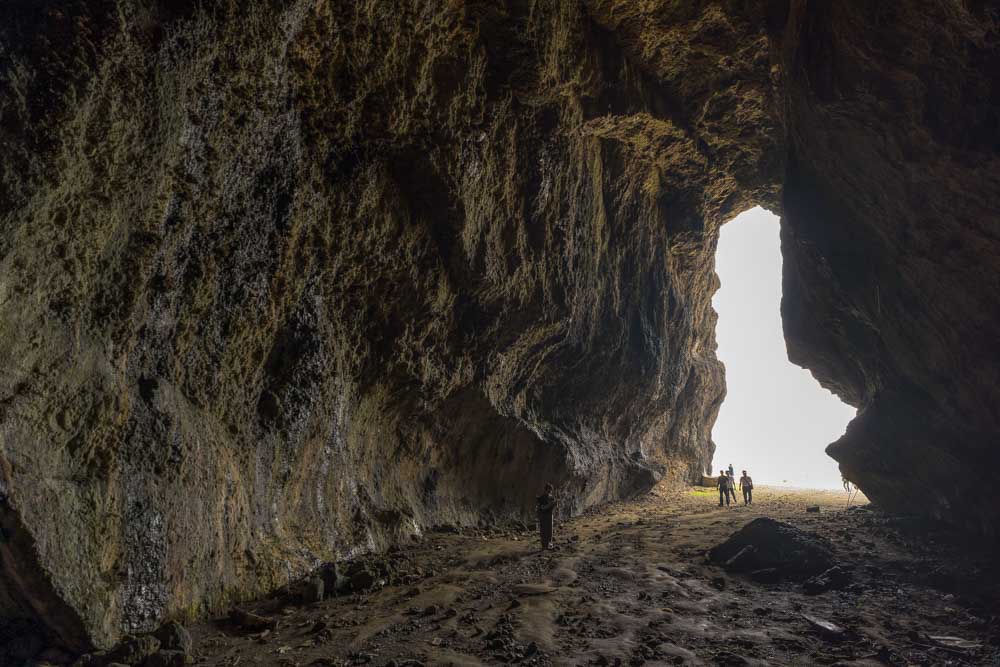
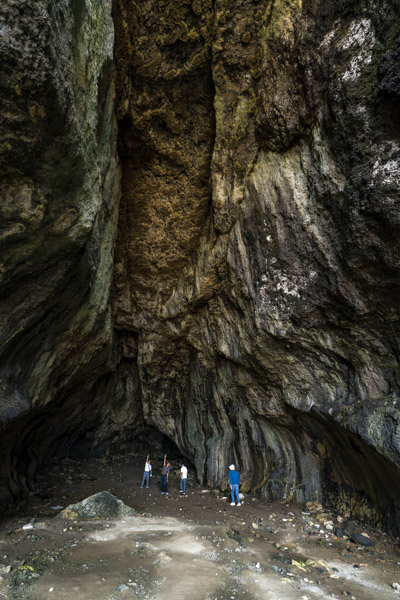
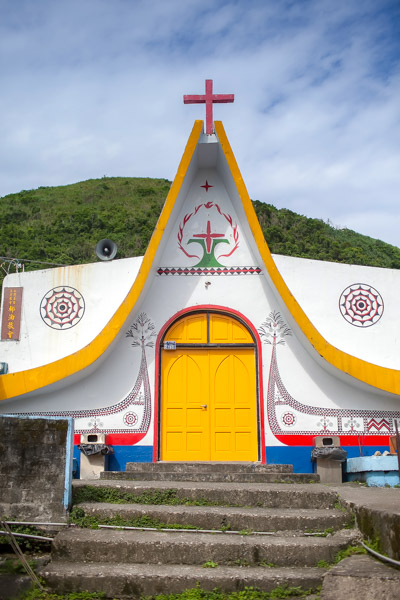
On the far side, we veered eastward, soon finding ourselves at Five-Hole Cave (Jikarahem) – a series of natural caves used as open-air churches by villagers from nearby Langdao (Iraralay).
Langdao Secret Spot
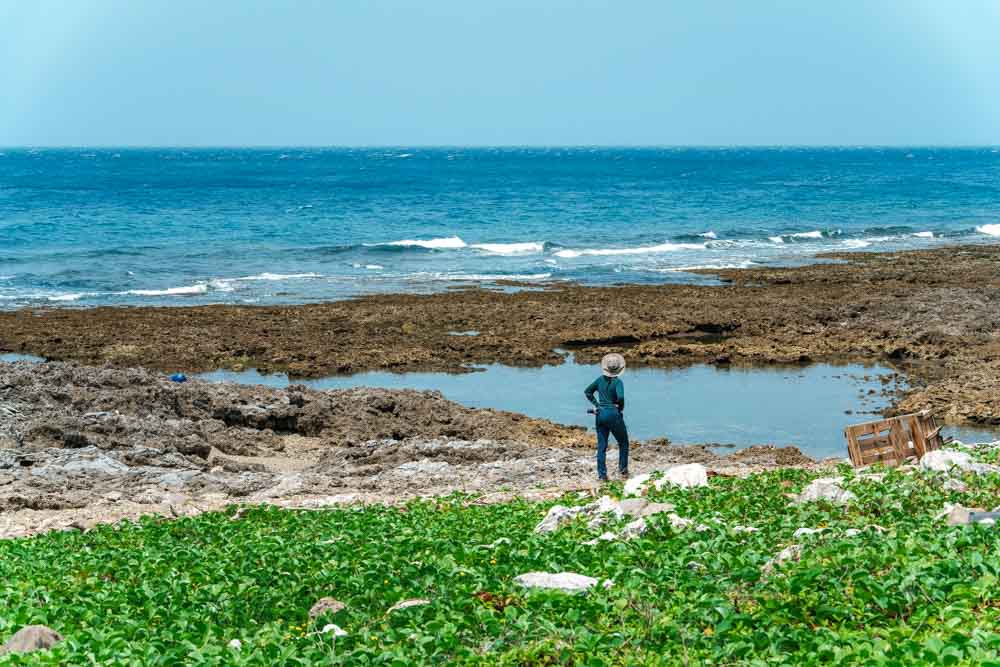
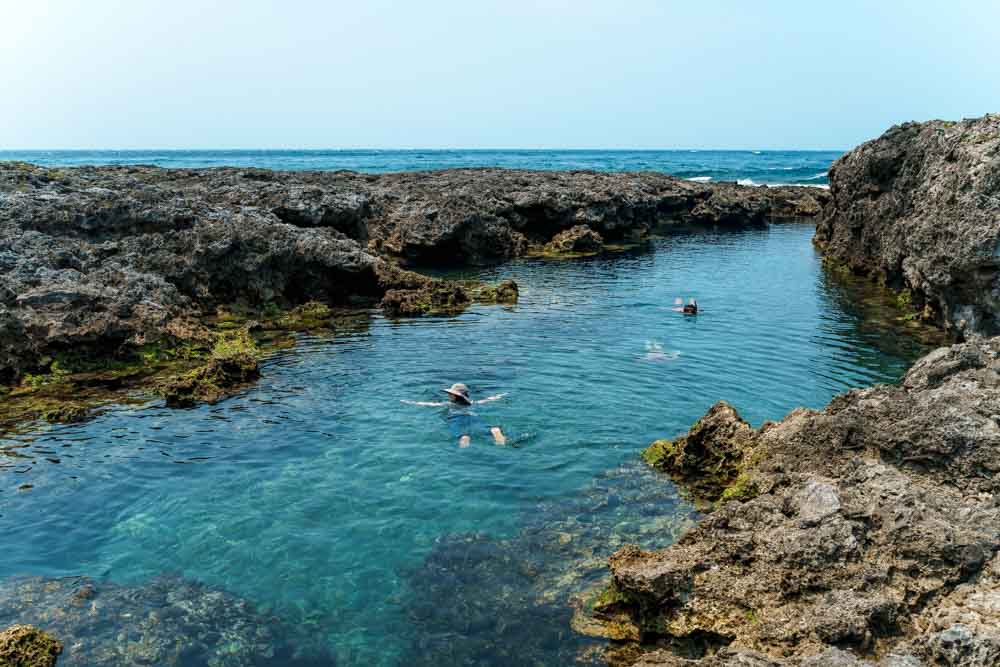
A little further along, we ditched our scooters in a dusty car park and used Google Maps to find the Langdao Secret Spot, a beautiful azure pool where stream and saltwater mix. Though not dressed for swimming, the call of the water won out, and I jumped in to swim a few laps. Treading water a meter from the craggy rock wall, I watched a littoral whiptail skink hunt tiny crabs and a banded sea krait coil its black-and-blue-striped body into a crevice. (This venomous critter is apparently common here, though thankfully known for its docility.)
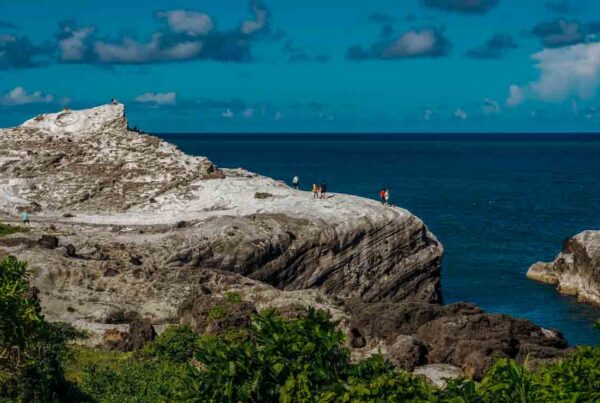
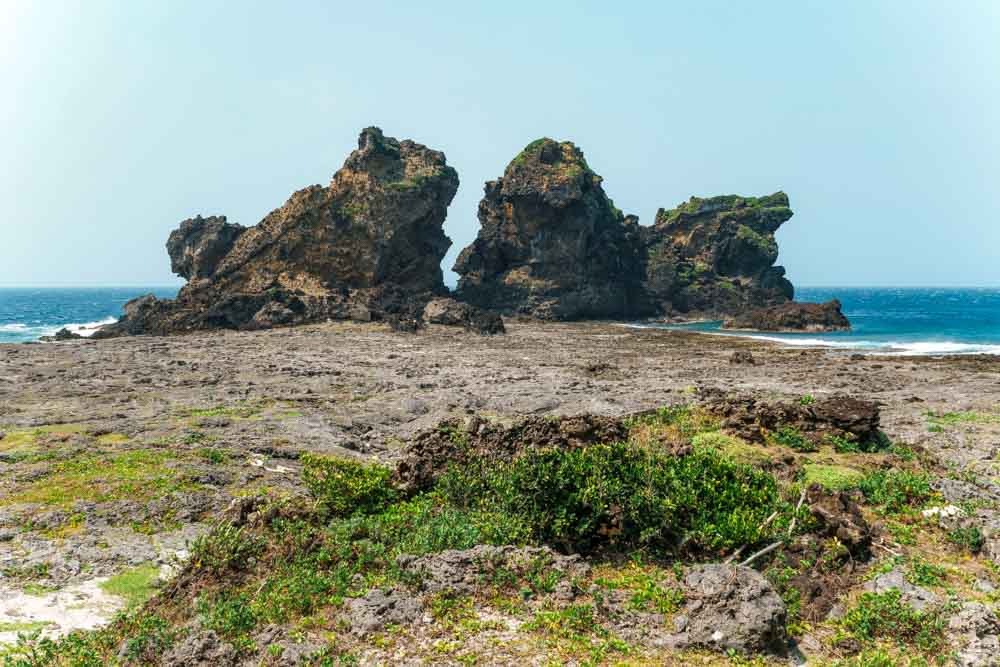
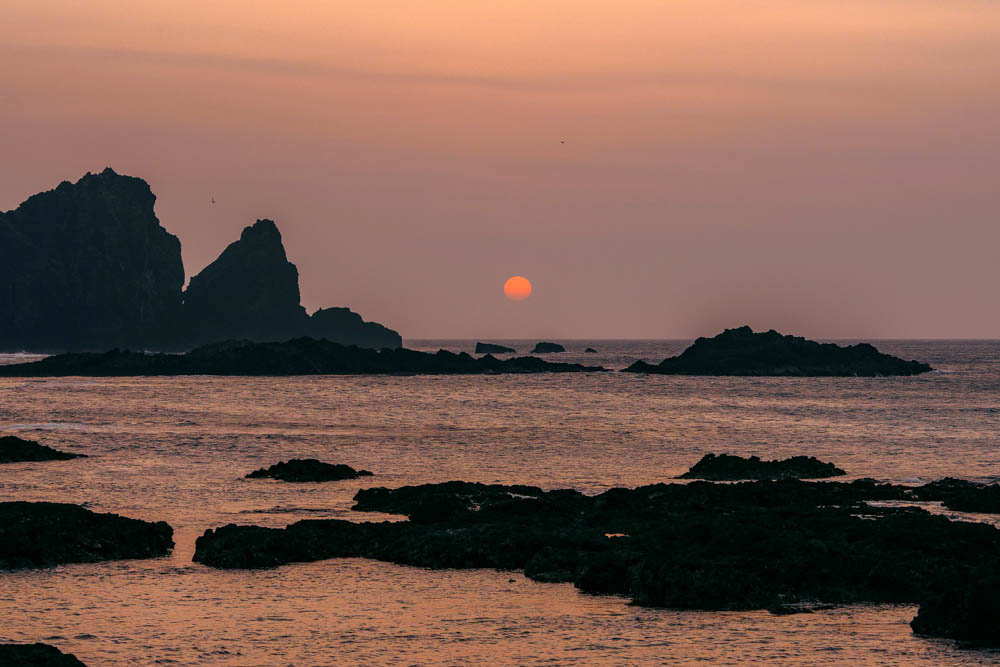
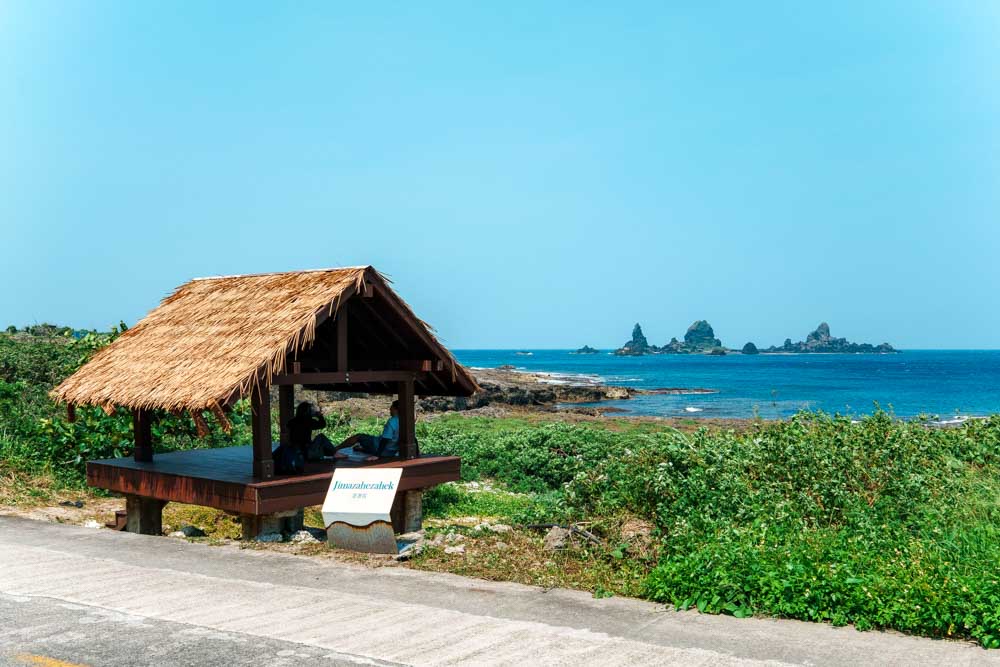
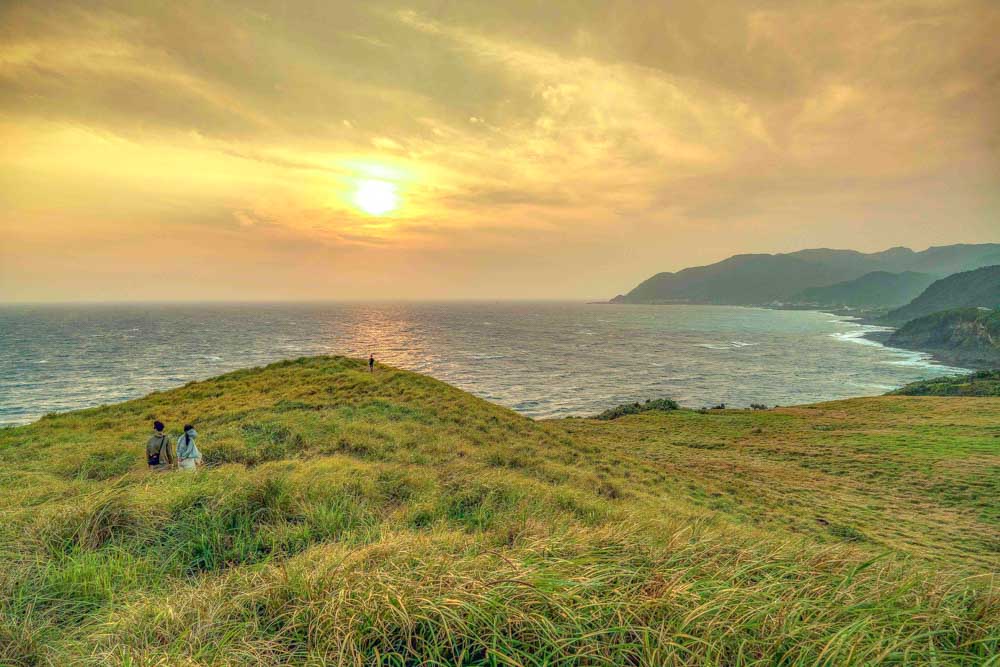
Scootering on – in my case, damp but unrepentant – through Iraralay, we passed the village’s ocean-facing pavilion and taro fields. A pair of giant breccia boulders known as the Twin Lion Rocks playfight on the foreshore, then, as the road climbs, the forbidding form of Battleship Rock can be spotted jutting above the waves. Approaching Donqing (Iranmeylek), we passed the entry points for short trails leading to Lover’s Cave and Rutou Hill. They were closed for maintenance, but both are popular sunrise-viewing spots, as is Dongqing Bay.
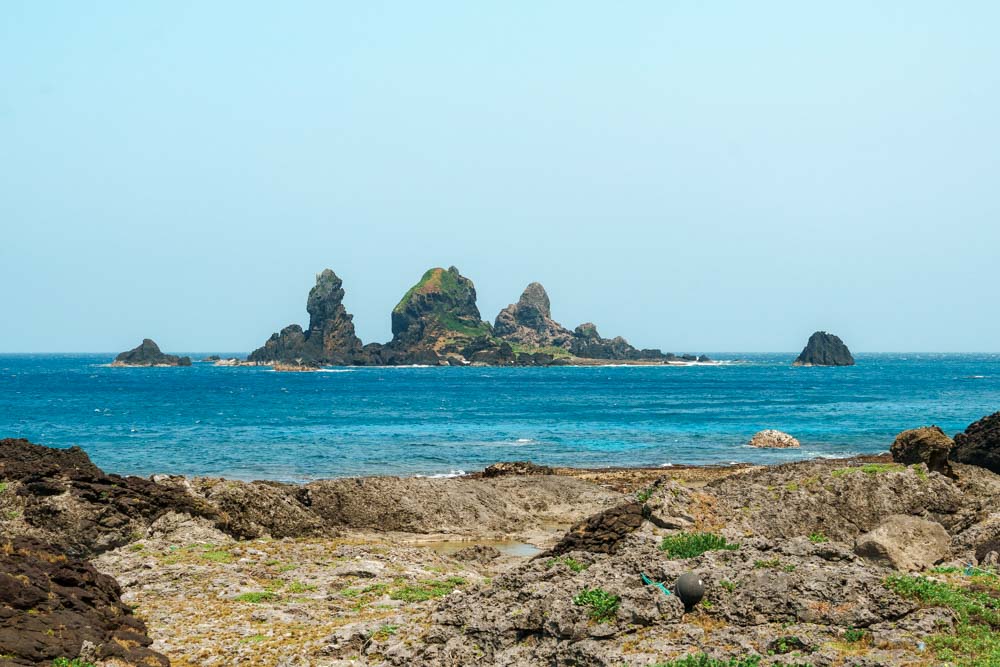
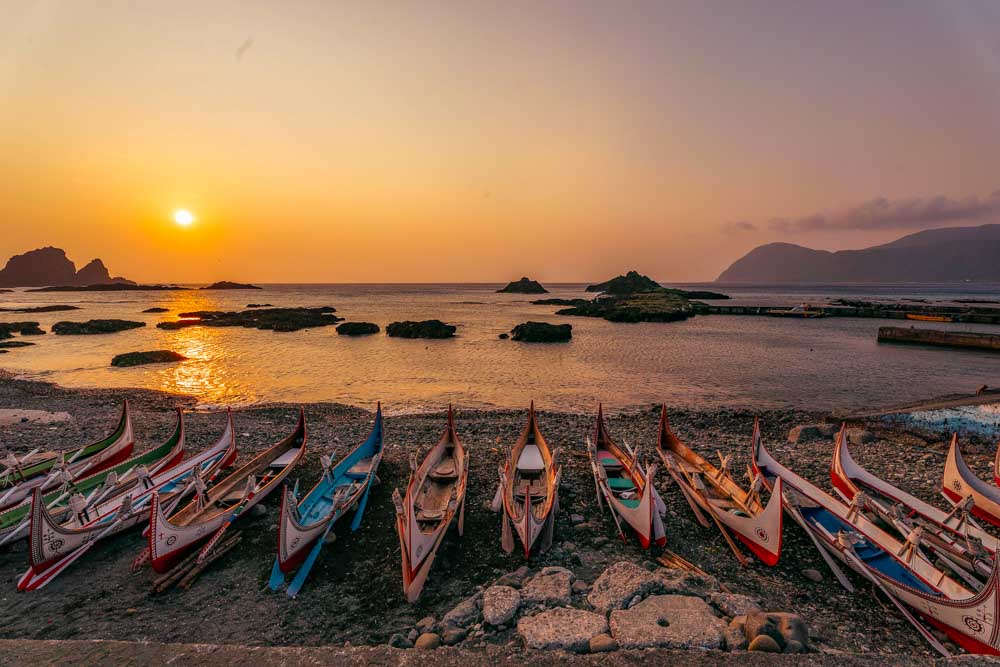
We rode onward to Yeyin, by which point the wind and sun had already done a good job of drying me out. From this point, you can either take a shortcut up and over the hills on the island’s winding second road or follow the coastal route towards Lanyu’s southern tip. This latter option features more charismatic rocks (Helmet, Elephant Trunk, Dragon Head), and just beyond Dongmen Port, a new sightseeing spot overlooks the remains of the Blue Lagoon, a bulk carrier that ran aground during 2024’s Typhoon Krathon – though ongoing dismantling efforts may soon see it disappear from the map once more.
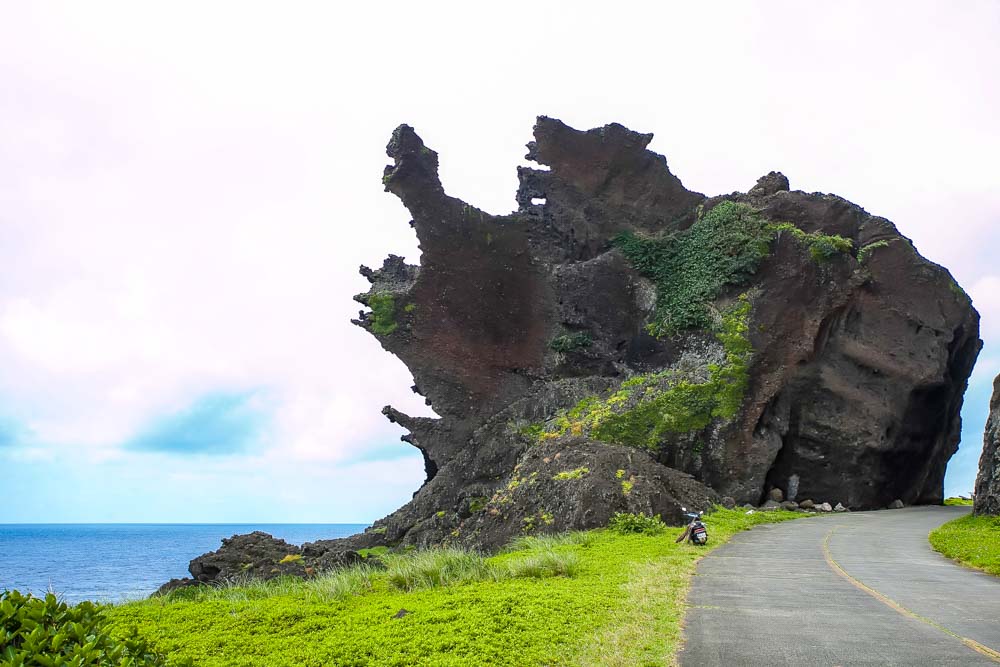
The final stretch involves heading northward through Hongtou (Imaorod), Yuren (Iratay), and Yeyou (Yayo), separated from each other by stretches of pebble-strewn beach. I spent less time exploring this area, but riding through gave rise to two entertaining vignettes. In Imaorod, I saw a group of friends seated around a roadside grill, oblivious to the machinations of a wily cat that snuck between their legs to snag a glistening fish before darting off with her ill-gotten gains clamped tightly in her mouth, and as we neared Yeyou, we saw a policeman attending to a minor accident accompanied by his second officer, an imperious-looking little black dog who seemed to be following the discussion with care – peak island life.
Inland Scenic Spots
Lanyu Lighthouse
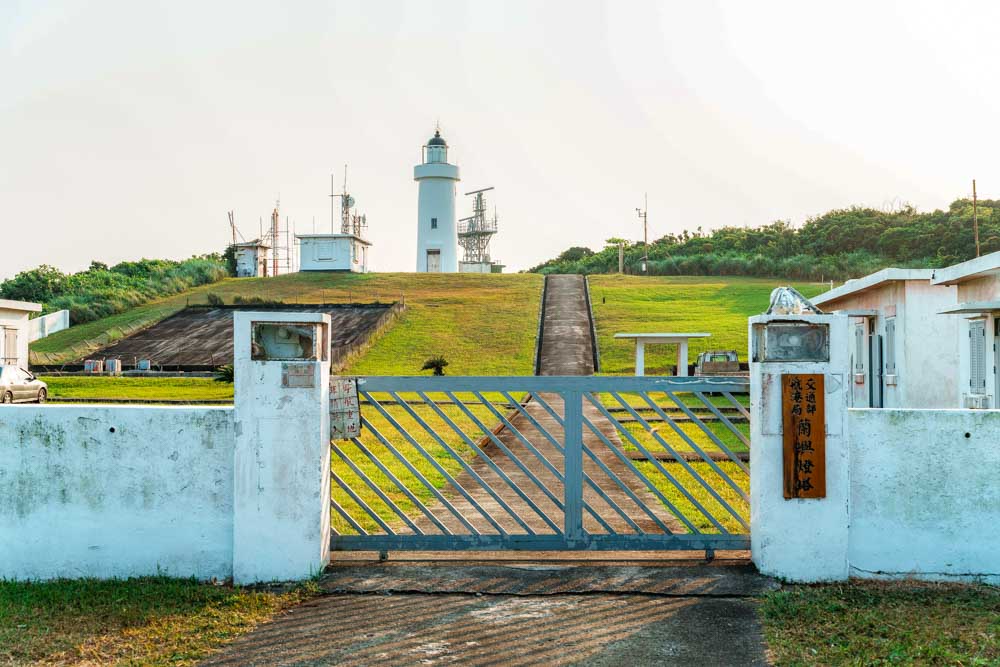
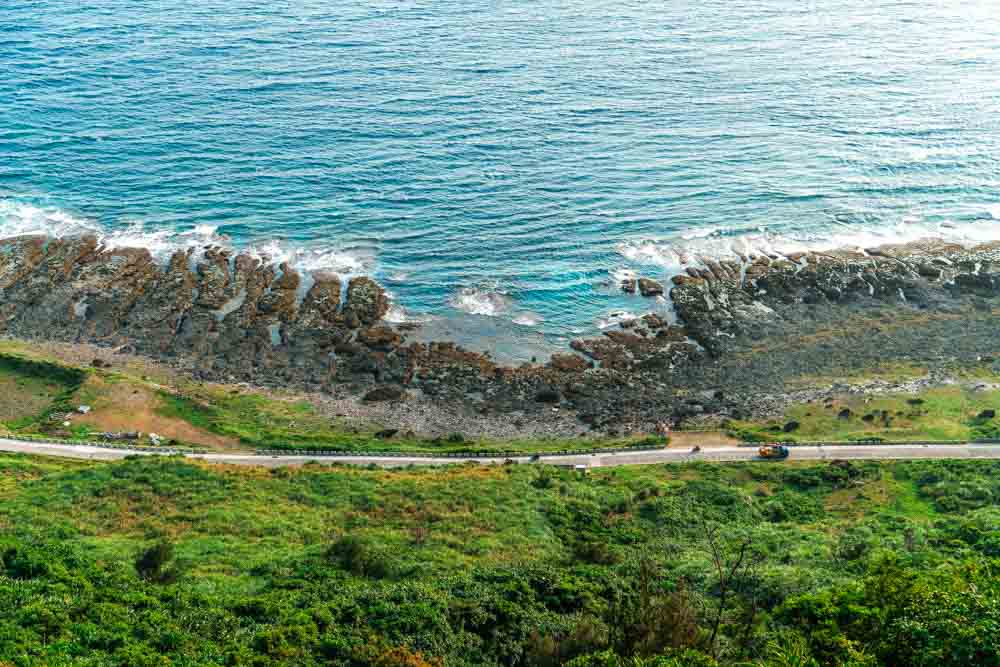
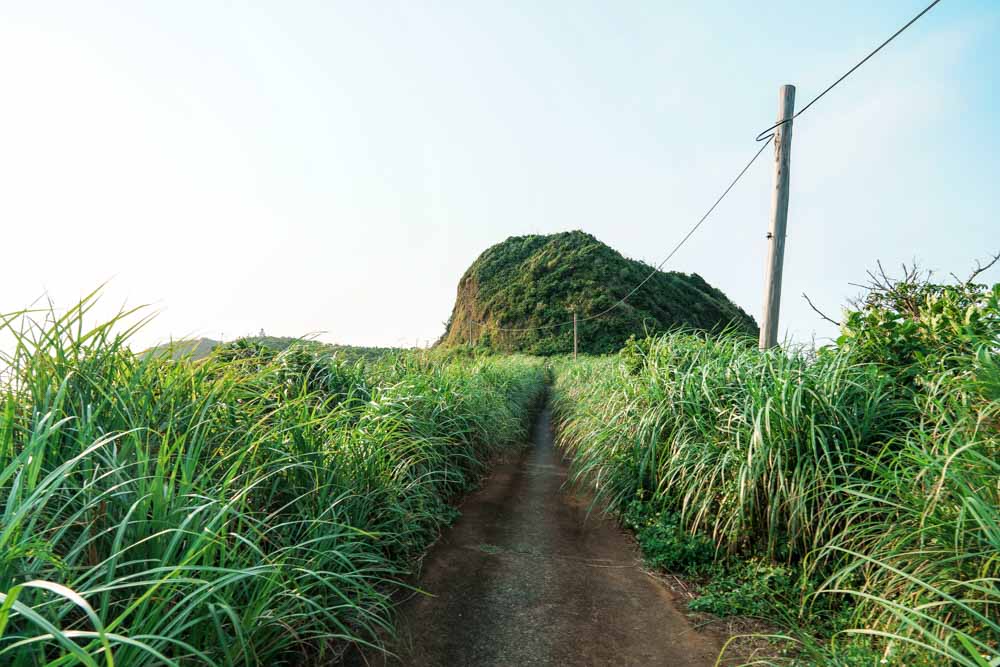
The majority of Lanyu’s scenic spots lie within a stone’s throw of the round-island road, but a couple require minor diversions. Lanyu Lighthouse sits atop a steep-sided peak on the island’s northwestern shoulder, and though the lighthouse itself is exactly what you’d expect from a lighthouse, the ride up is rather exciting. Climbing first past taro fields, the side road climbs 200 meters through a series of tight switchbacks, gradually narrowing until fingers of tall grass reach out looking to tickle your face as you pass, and by the time you reach the top, the scooters seen zipping along the coastal road down below have shrunk to minuscule proportions.
Lanyu Weather Station
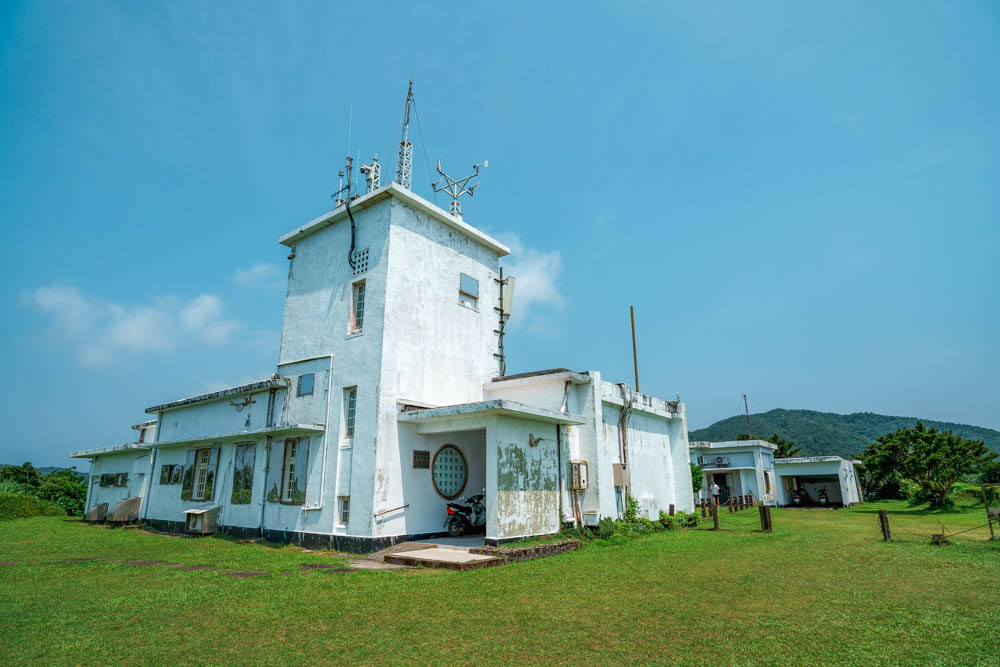
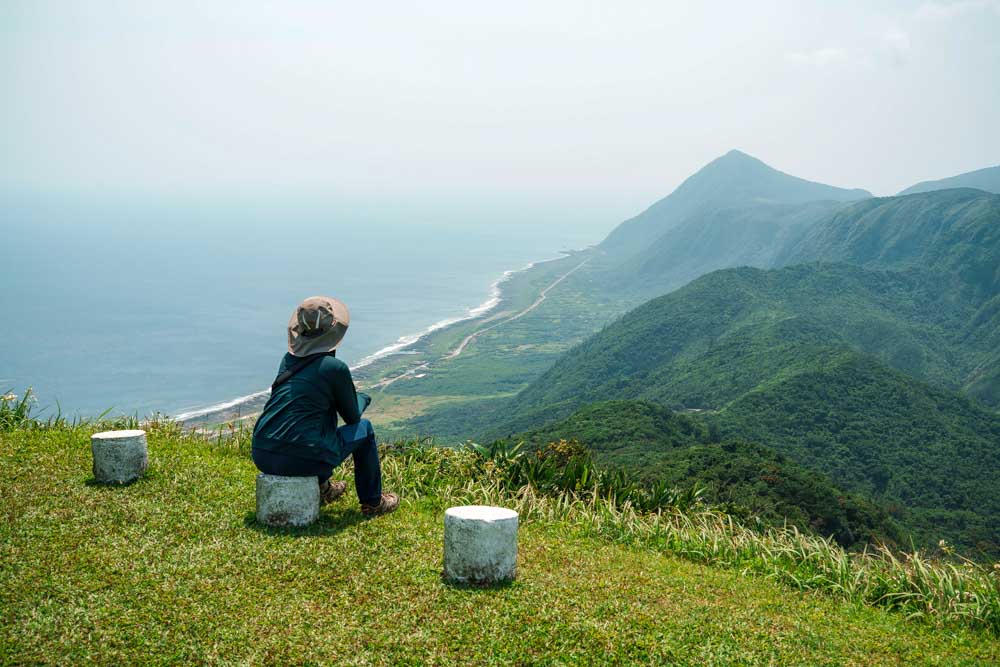
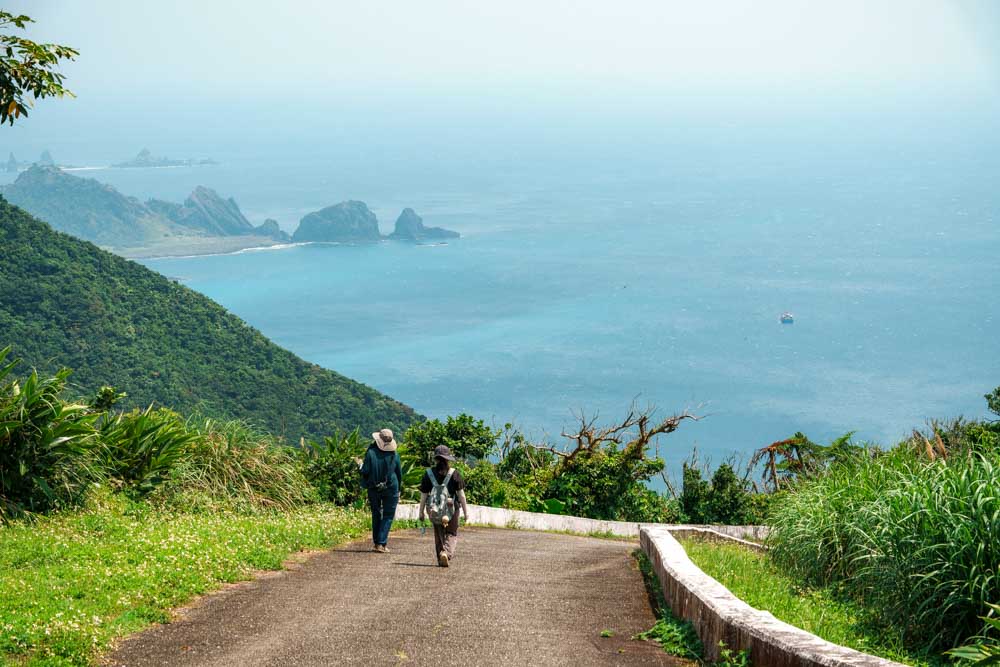
Lanyu Weather Station is a similarly exposed pilgrimage point. Getting there involves scootering over the cross-island road, then climbing the steep final 650 meters on foot because – in the words of a local we met on the way – anyone who rides up comes crashing down. Sitting 300 meters above sea level, it’s Lanyu’s highest point accessible by road, and those who put in the legwork can take a nosy at the meteorological instruments of the new weather station and the shell of the older Japanese-era facility, or simply enjoy the views of lush forested peaks sloping to meet brilliant blue waters.
Food
You Yi Jian BBQ
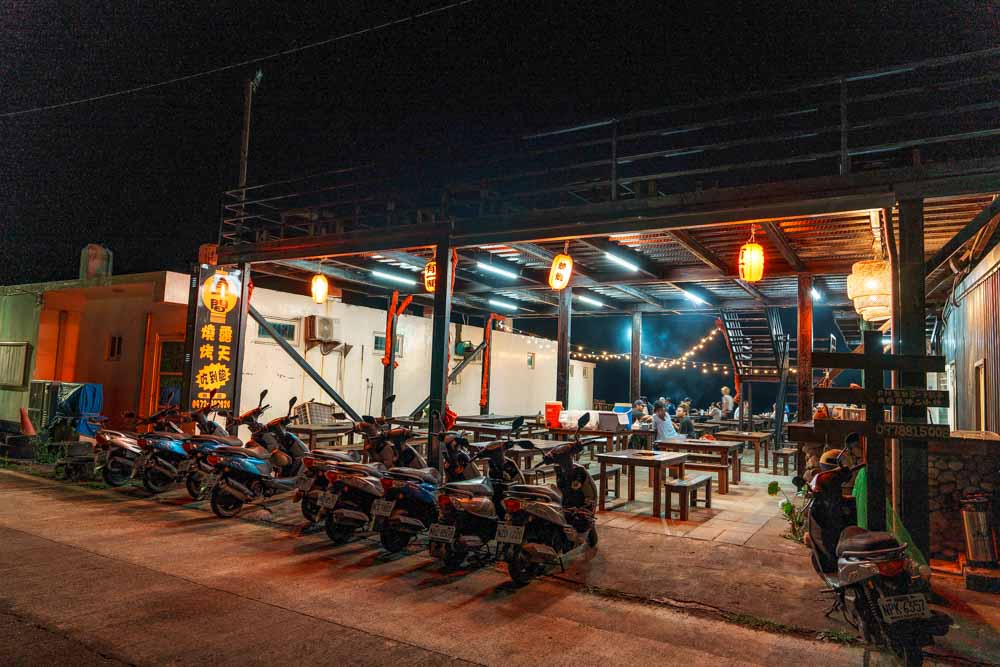
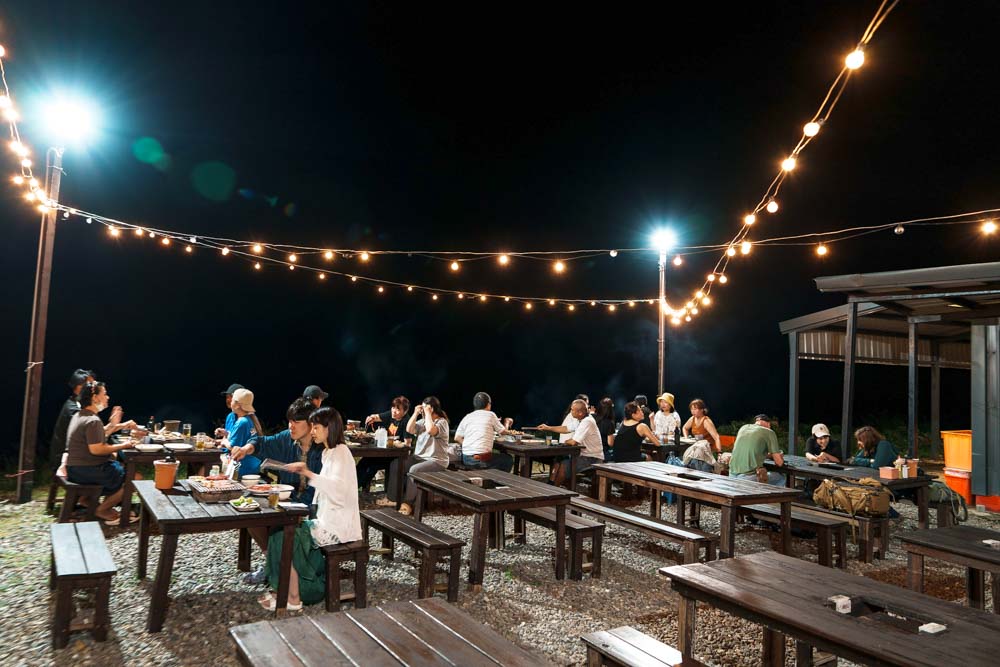
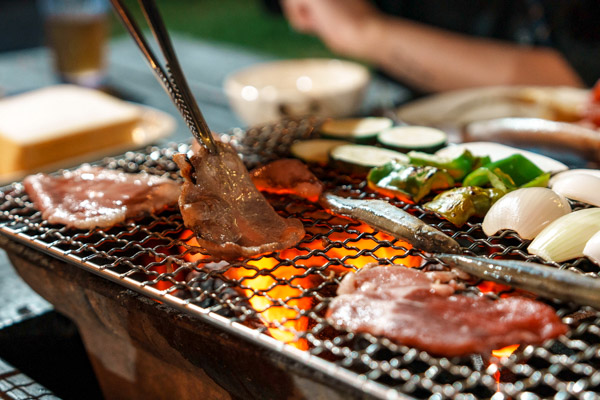
Operating two venues – one just outside Dongqing and the other beside the airport – You Yi Jian BBQ vies with 7-Eleven for the title of largest chain presence on the island. The Dongqing branch, where we dined on our first night, has outdoor seating overlooking Battleship Rock and sits so close to the water’s edge that you can hear the waves when there’s a lull in the conversation. For NT$500 a head, we were set up with a grill and free rein to order endless helpings from the all-you-can-eat menu (items that cost extra are clearly indicated). My meat-eating companions feasted on silver-skinned saury and fresh squid, thin slivers of sliced pork, and juicy chicken wings, while, as a vegetarian, I found myself eating more zucchini and onion sandwiches than I had ever eaten before. The atmosphere is casual, convivial, with music and chatter filling the air and village dogs trying their luck.
You Yi Jian BBQ (Dongqing Branch) | 有一間燒烤(東清店)
Add: No. 163-5, Neighborhood 7, Dongqing Village, Lanyu Township, Taitung County
(台東縣蘭嶼鄉東清村7鄰163之5號)
Tel: 0972-887-424
FB: facebook.com/bbqdongchin
Hours: Wed-Mon 5:30pm-10:30pm
Hatchingday
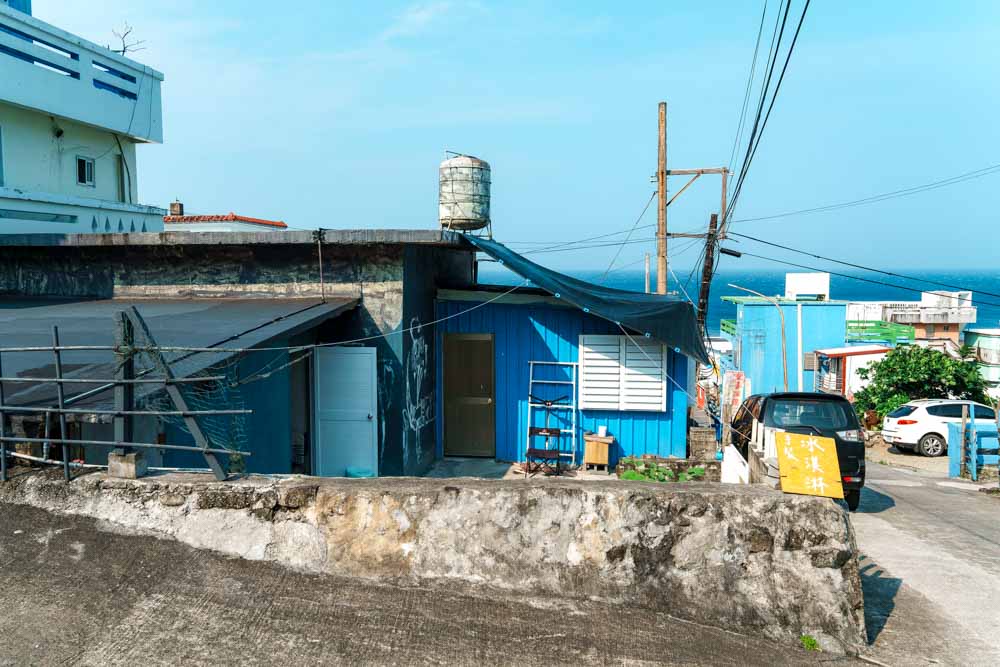
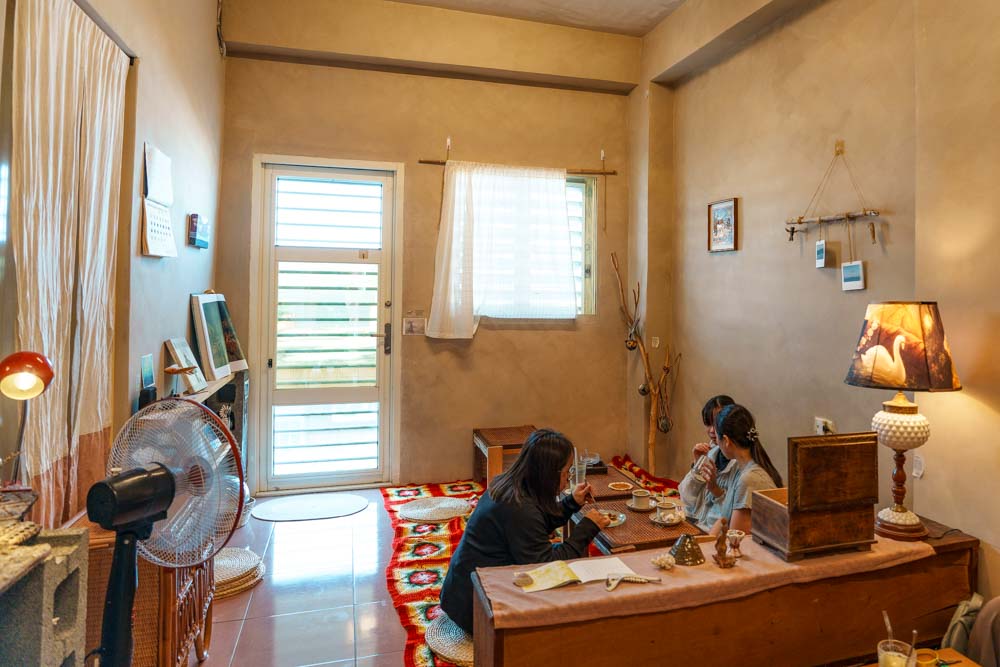
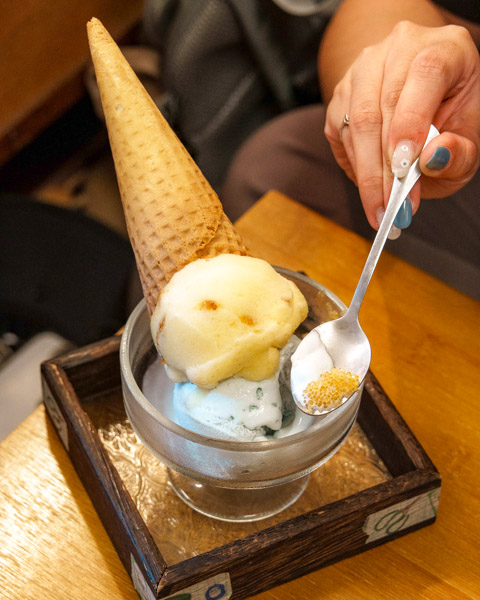
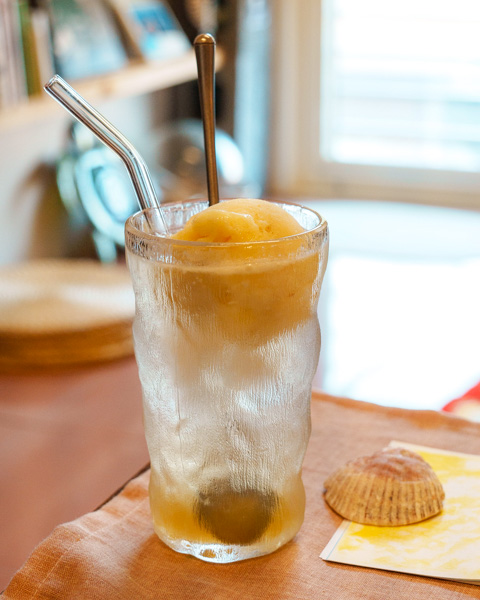
Summer dessert fans will find themselves particularly well-served on Lanyu. Almost every settlement has its own ice-cream parlor, and in Ivalino, Hatchingday fulfills this role. Made in-house and served in the tiny front room of a residential property, the ice-cream flavors are seasonal and somewhat unexpected. At the time of our visit, the menu featured pineapple-fig, Tieguanyin tea, pandan-coconut, and frosty sea salt; butterfly pea flower is used in the last to impart a pale-blue hue, and it is paired with a sprinkling of flying fish roe. It may sound bizarre, but the result is (so my companion informed me) impeccably balanced – the tiny pearls bursting satisfyingly in the mouth to make a pleasing union of salty and sweet.
Hatchingday | 孵日手製冰淇淋
Add: No. 124, Yeyin Village, Lanyu Township, Taitung County
(台東縣蘭嶼鄉野銀村124號)
Tel: 0972-887-424
IG: instagram.com/hatchingdays__
Hours: Wed-Mon 1pm-6pm
Wenwen Taro Ice
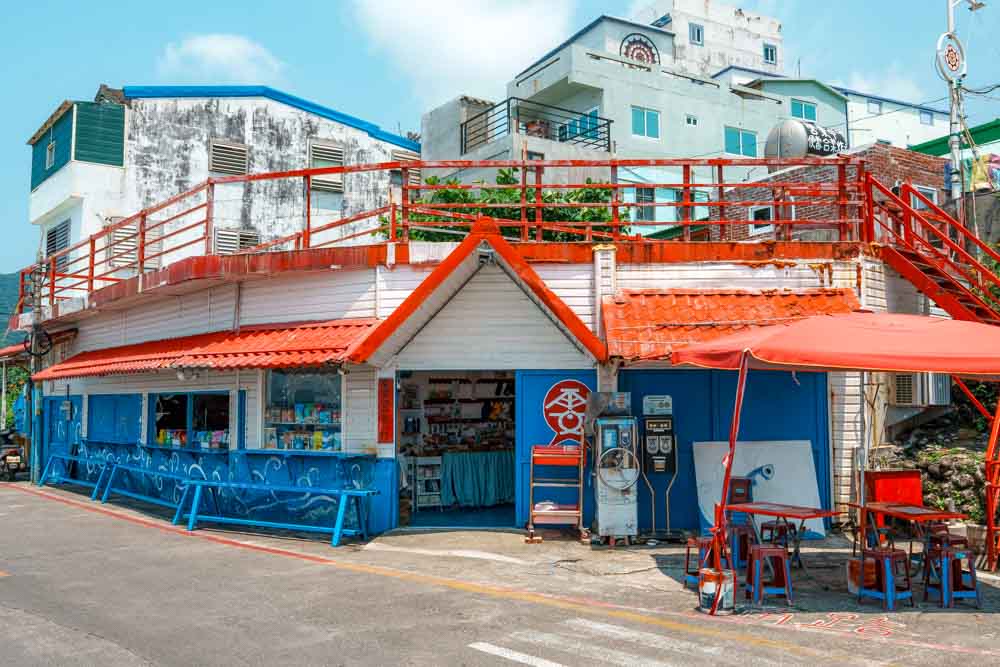
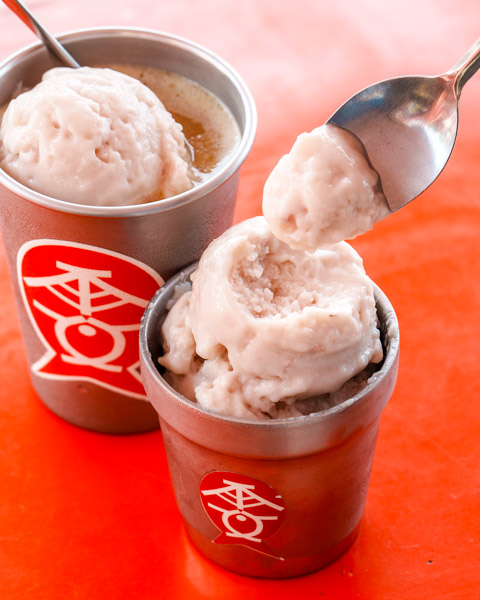
For me, the culinary highlight of my stay on Lanyu was taro ice cream from Wenwen Taro Ice. The store, which doubles as a souvenir shop, sells scoops of the cold treat either on its own or swimming in cups of iced mung-bean soup. Purist that I am, I opted for the taro ice cream by itself and was absolutely enchanted – dense, rich, nutty, and creamy, with small bites of fresh taro studding each scoop. I would happily have eaten it for breakfast, lunch, and dinner every day of our stay.
Wenwen Taro Ice | 雯雯芋頭冰
Add: No. 20, Hongtou Village, Lanyu Township, Taitung County
(台東縣蘭嶼鄉紅頭村20號)
Tel: 0912-075-399
FB: facebook.com/lanyuwenwen
Hours: 9am-9pm
Highlights
About the author