A Drive along Taiwan’s Most Dramatic Coastal Route
TEXT | SIMON FOSTER
PHOTOS | VISION
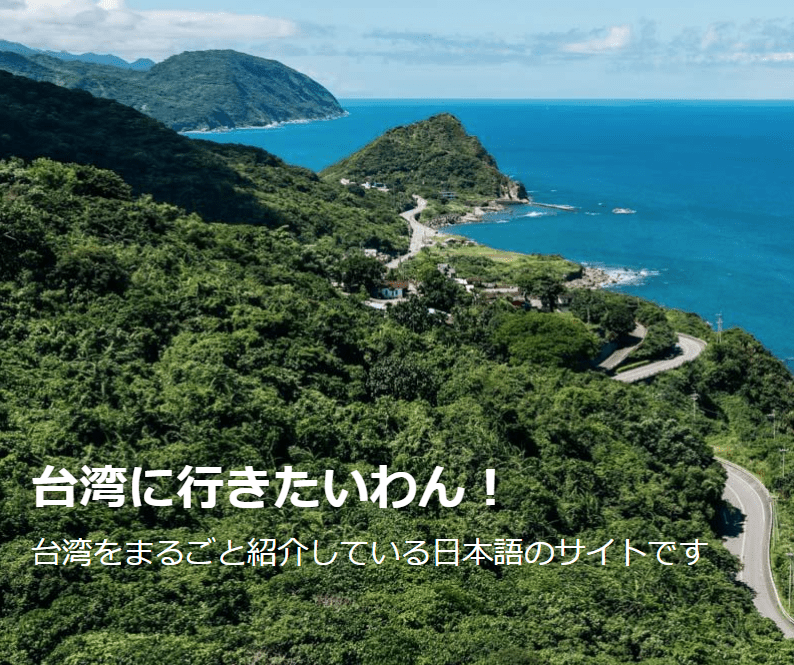
Hualien County’s routes 9 and 11 are two of Taiwan’s most iconic roads, presenting coastal travelers with a rich blend of towering marble cliffs, verdant jungle, and endless empty beaches. Taking the time to stop and delve deeper will reveal hidden gorges, bizarre rock formations, and rich marine life.
North of Hualien City
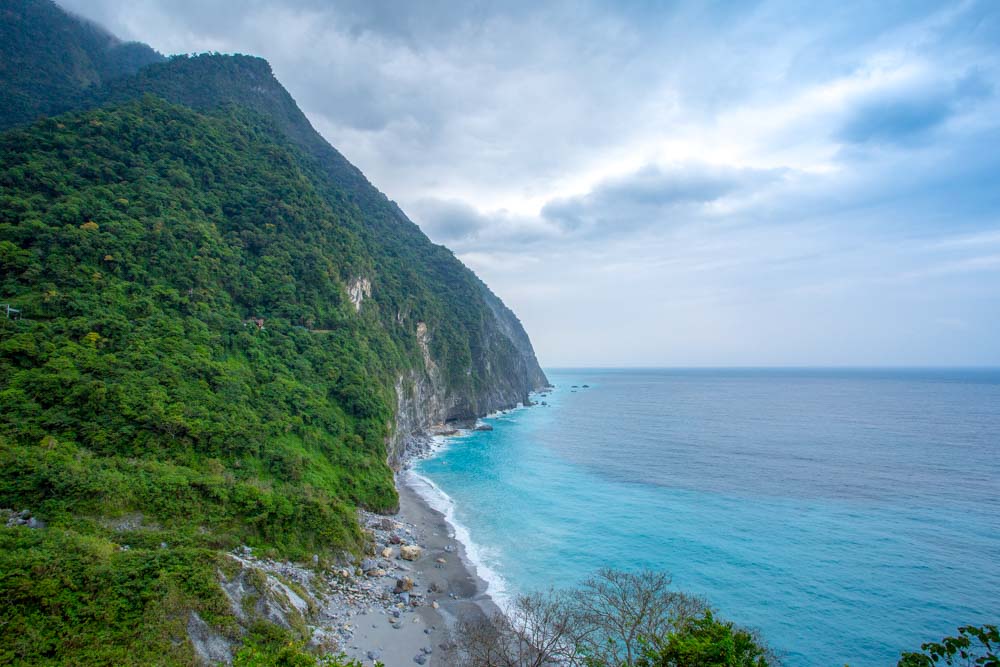
Driving south along Highway 9 from the Yilan County port town of Su’ao, the dramatic Qingshui Cliff that spills down from mighty Mt. Qingshui (2,408m) is one of the first signs that you have entered the marble lands of Hualien County. Spanning 5km of coastline, comprised of marble, gneiss, and green schist, the cliff drops vertically for 800 meters (on average) into the epic blue of the Pacific, demanding that you stop at multiple viewpoints to appreciate its majesty fully. Whilst some of the best lookout spots were destroyed by an April 2024 earthquake, a few worthwhile observation decks have been reopened. To really get up close and personal with this incredible environment, however, book an SUP tour with one of several licensed operators in Hualien City, including Brothers Hangout (instagram.com/brothershangout). Paddling out into the Pacific is an adventure in itself, and the perspective afforded from the water makes these giant cliffs seem even more imposing.

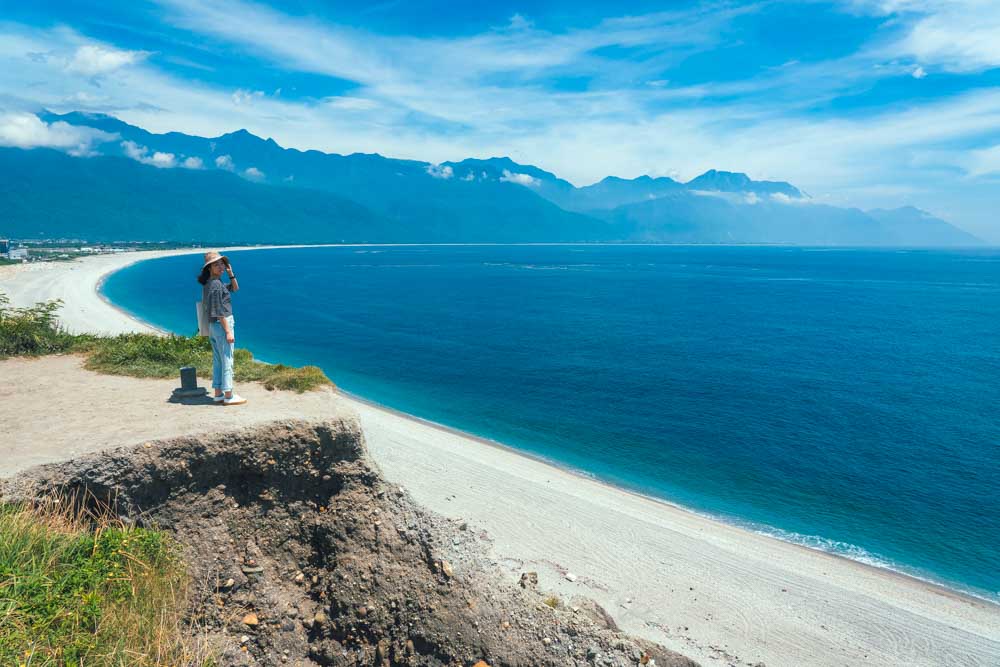
A different view of the Qingshui Cliff can be enjoyed from the gorgeous Qixingtan beach, an expansive crescent-shaped stone and shingle beach just north of Hualien City proper. The beach gets its name from a collection of lakes (in the shape of the Big Dipper, which consists of “seven stars,” i.e., qixing) previously found just inland from here. The lakes were drained in the 1930s in preparation for the construction of Hualien’s airport, and residents were relocated to this beautiful stretch of coastline. There are a couple of car parks along County Road 193 where you can stop to explore the beach and buy an ice cream or a refreshing coconut juice. This is also a great place from which to watch fighter jets take off and land, although the noise can be deafening and taking photos of the airbase itself is prohibited.
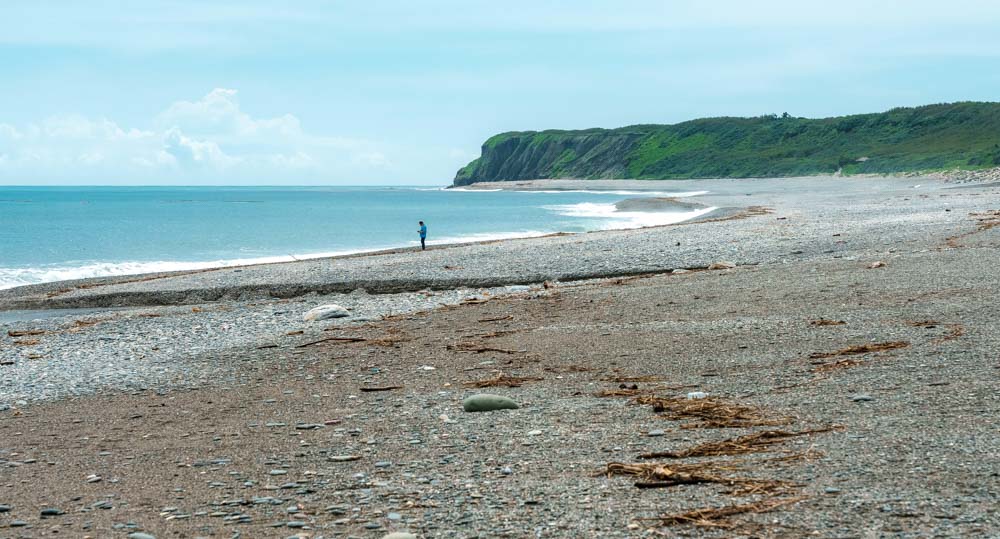
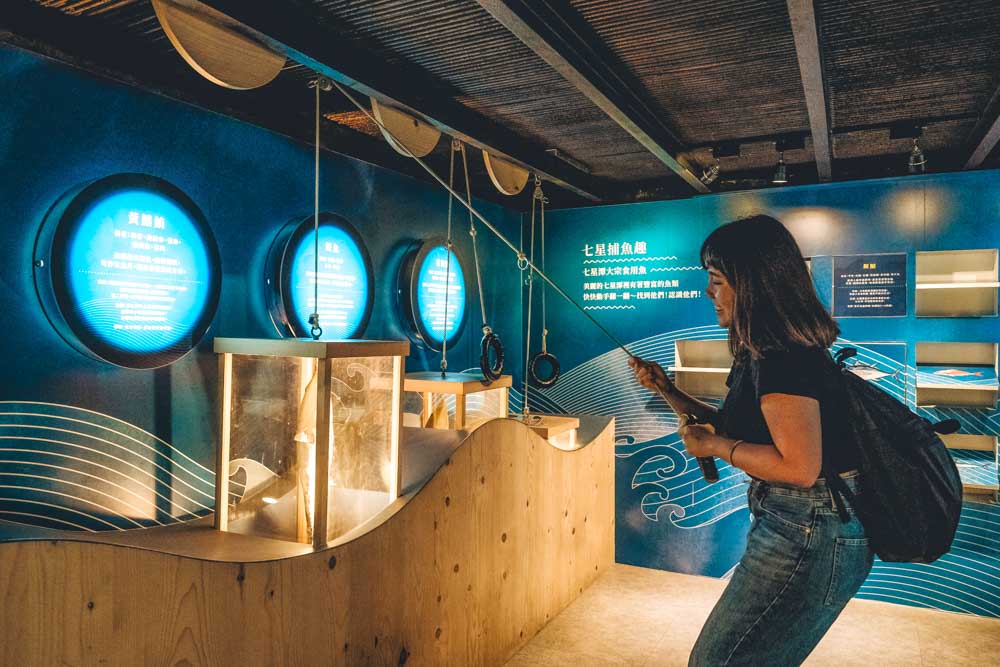
A bike path runs alongside the beach, passing the small village of Qixingtan, home to a convenience store, B&Bs, coffee shops, and the interesting Chihsing Tan Katsuo Museum, which details the history of the site’s former bonito factory. The bike path continues from the village towards 48 Highland, once the site of an important military base, approximately 48 meters above sea level (hence the name). There are some steps to negotiate along the way, but once you reach the summit, you’ll be greeted by impressive views along the coastline, and you can also explore the network of military tunnels now open to the public.
South of Hualien City
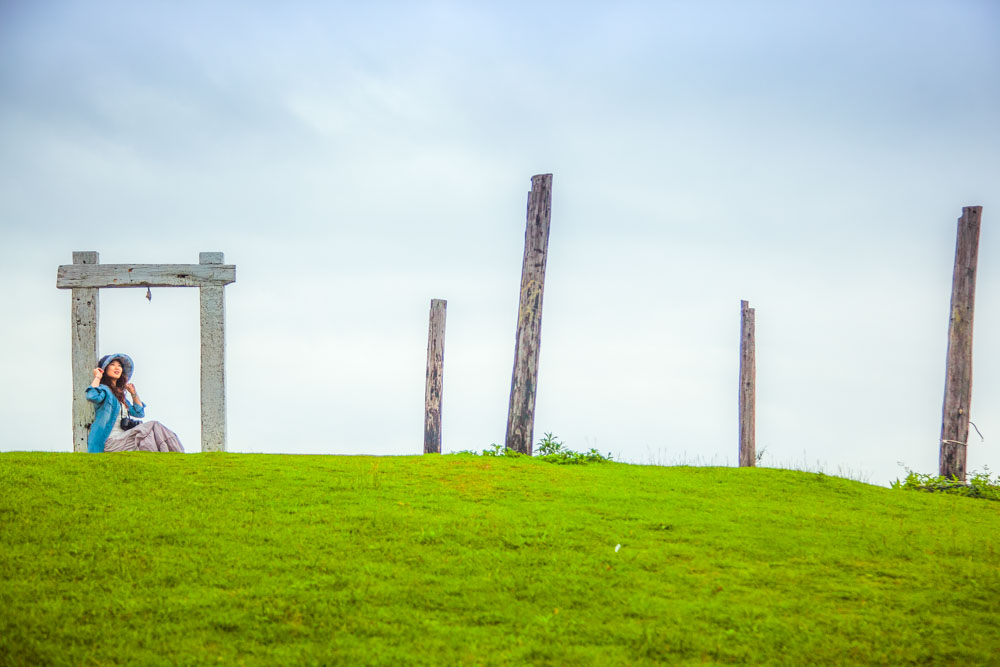
Highway 11 is the coastal road running south from Hualien City. After passing the fishing village of Yanliao, it quickly ascends through a series of tunnels towards Niushan (“Cow Mountain”) and the highest elevation along the whole route. A steep, narrow road leads down to Niu Shan Huting, a magical stretch of sand used as the backdrop in scenes from Martin Scorsese’s 2016 film Silence. A token entry fee (NT$100) is payable to visit the beach and explore the grazing meadow above, which is dotted with driftwood art. The entry fee is redeemable against purchases at the onsite café, and if you’re really taken with the place, there are even a couple of rustic cabins in which you can stay overnight.
A few kilometers south of the beach turnoff, you could drive across bridge #18 without even noticing, but it’s definitely worth a stop to wander across the old bridge below, which reveals the impressive 100-meter-deep Fanshuliao Gorge. Look for the vertiginous steps running steeply down the side of the gorge, and the lush thickets of bamboo below. Myth has it that the bamboo grew from discarded poles used to try and vault the 50-meter-wide gorge! There is also a small café-shop and toilets here. Barely two kilometers on from the gorge, another quick stop, Baqi Rest Area, is perched high above the ocean and presents some of the best views along the whole East Coast. A small store sells indigenous crafts and tourist knick-knacks, as well as coffee, ginger tea, and soft drinks, and there are also toilets.
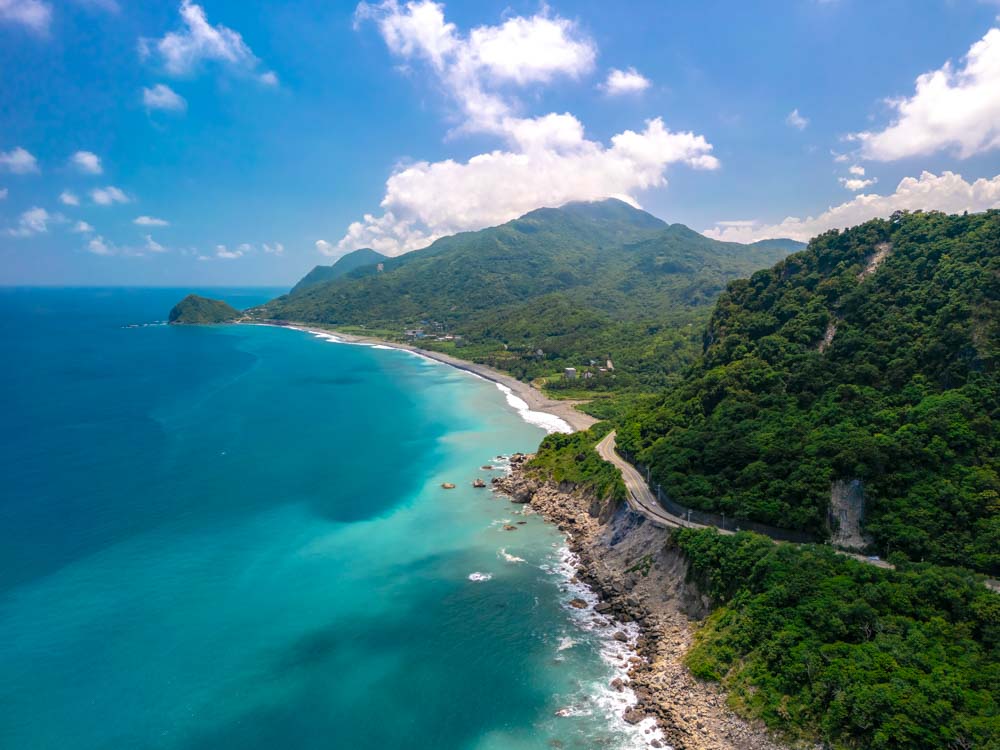
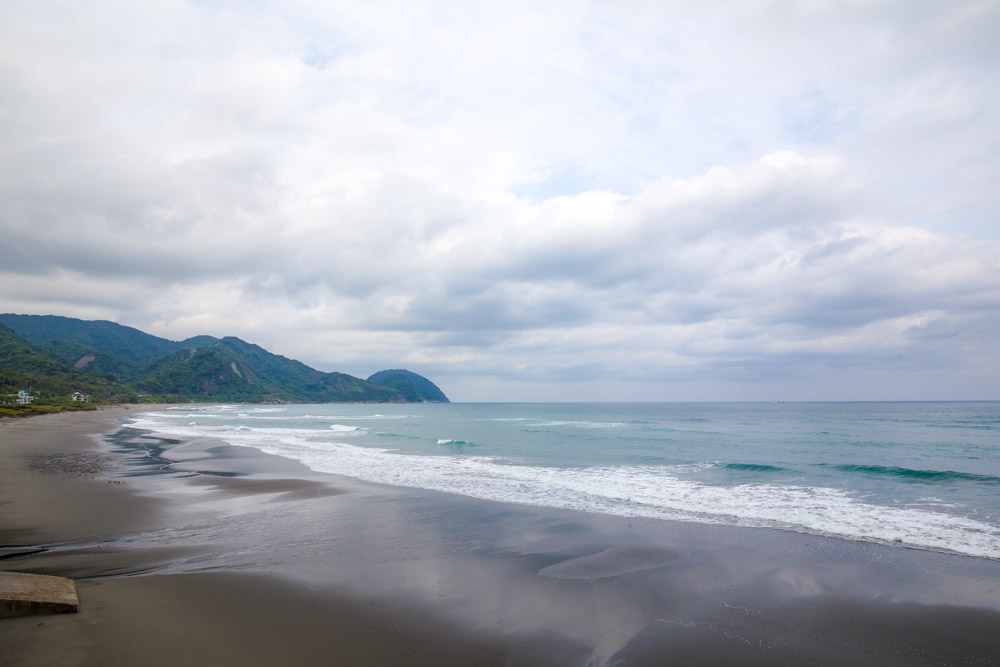
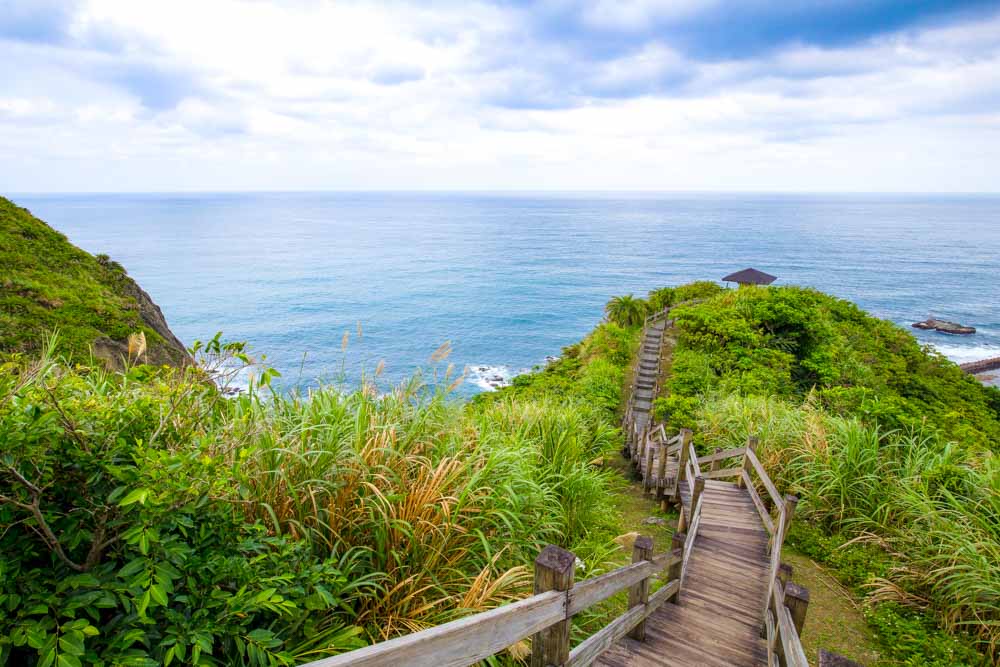
Descending back to sea level, Highway 11 soon brings you to pretty Jiqi Beach, a 3-kilometer-long strip of black sand. Although it’s touted as a bathing beach, swimming is only safe here when the sea is calm, and it’s often better suited to surfing. There are toilets, washing facilities, and lifeguards on duty at peak times. Overlooking the southern end of the beach, Dashibi Mountain is a headland that juts out into the Pacific. A short trail ascends to around 70 meters above sea level to a spot providing good views to the north and south, and there are a couple of pavilions offering shade along the way. There are also some restaurants near the car park.
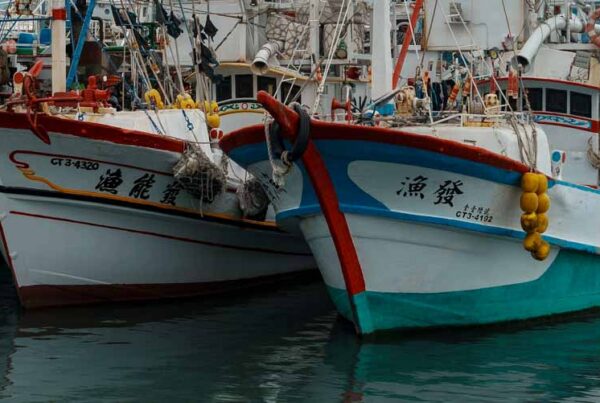
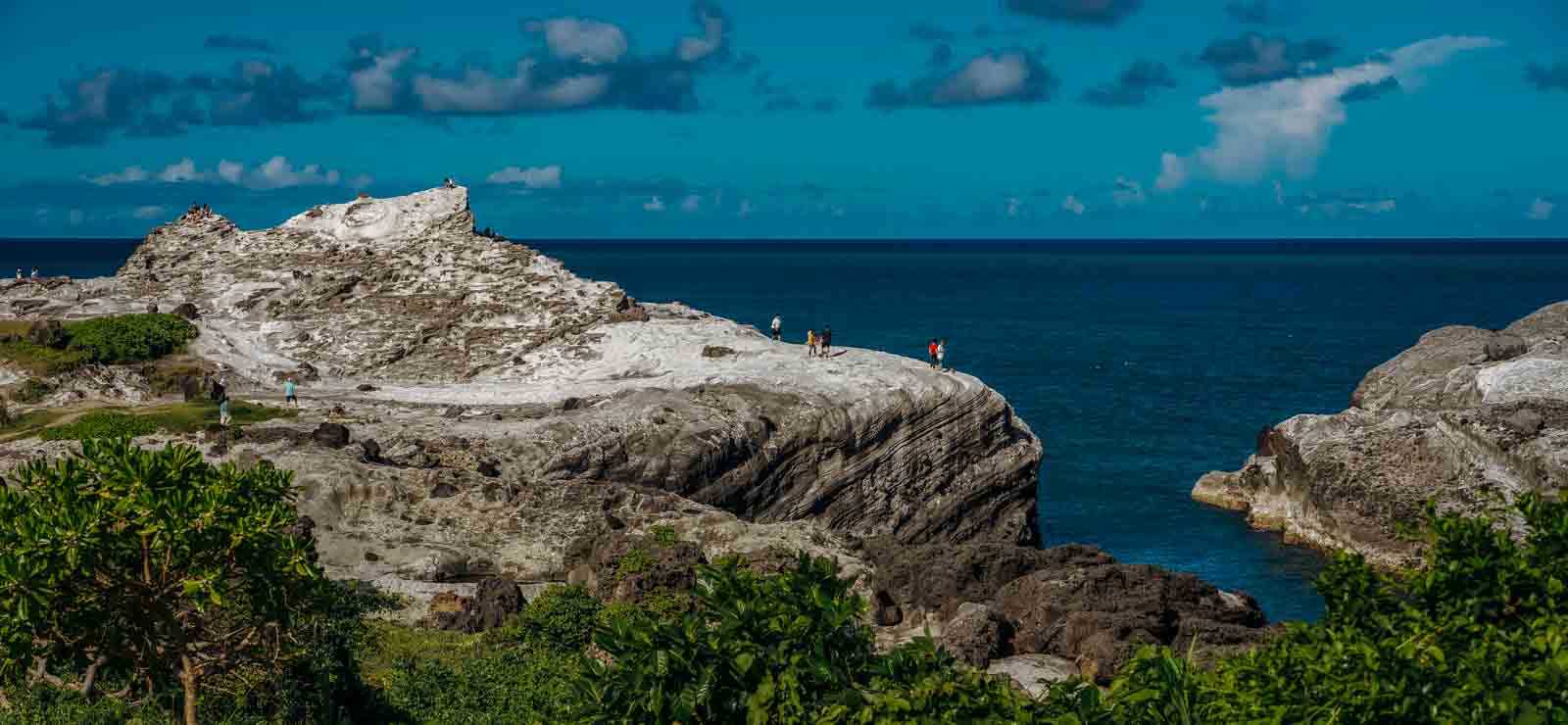
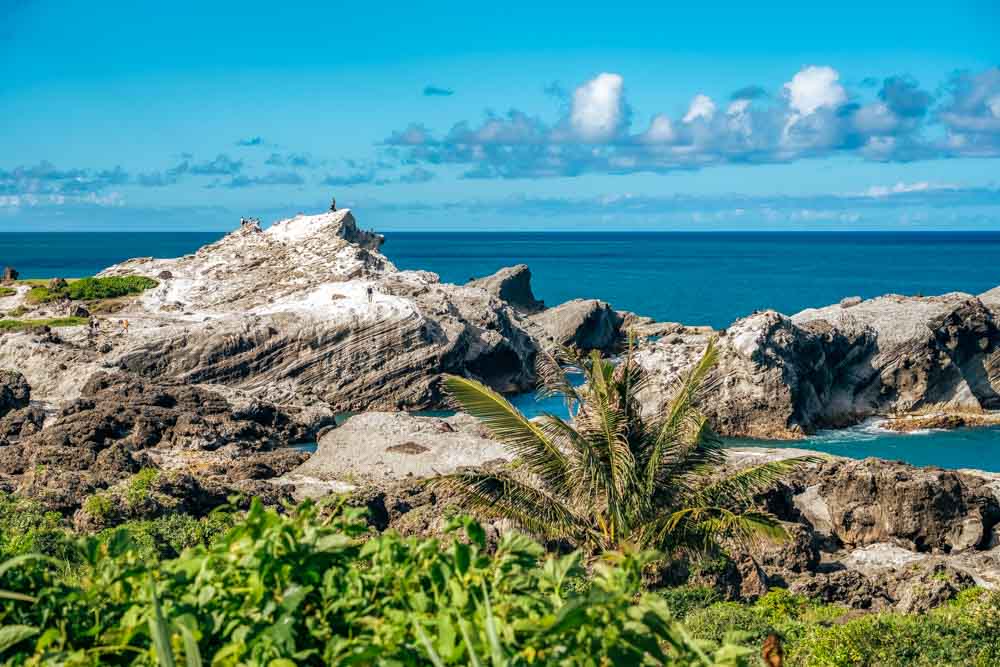
Half an hour south of Jiqi, Highway 11 passes by the harbor near Shitiping, one of Taiwan’s prettiest, in an area home to the Makotaay people, a subgroup of the Amis tribe. The harbor area is also a mecca for seafood lovers, and during the summer serves as the starting point for dolphin- and whale-watching tours. The renowned Shitiping, in the Shitiping Scenic Recreation Area immediately south of the harbor, is a kilometer-long stretch of eroded volcanic headland featuring bizarre rock outcrops, potholes, and blowholes connected by wooden boardwalks and paths. On calm days, it’s possible to get into the ocean and snorkel, which is rewarded by sightings of a surprising diversity of coral and marine life – brightly colored reef and tropical fish, sea urchins, sea snakes, and even giant clams! As well as a decent collection of hotels, there’s also an attractive campsite within the scenic area, making Shitiping a good place to break your journey along the coast.
About the author

Simon Foster
Simon Foster was born in London and grew up in rural Yorkshire. Family holidays first ignited his wanderlust, and he started work as a tour leader in the Middle East in 1997. Subsequently he was posted to India and then China, and he now lives in Chenggong, Taitung County with his wife, Tot, and their two daughters, two dogs and cat. He has combined his love of travel with his passion for writing, and has contributed to nearly 20 guidebooks and countless magazines and online publications, including the Rough Guides (www.roughguides.com) to Australia, China, Egypt, Europe, India, Philippines, Spain, Taiwan, Tunisia, Turkey, Frommer’s China, Frommer’s Taipei (www.frommers.com) and the Adventure Guide to China which Simon authored solo. Simon also continues to operate bike rides for Grasshopper Adventures around Asia, and is currently the Managing Editor of Hello Taitung magazine (https://issuu.com/369702/docs/_).