A Summer Escape with Unexpected Depths
TEXT | AMI BARNES
PHOTOS | VISION
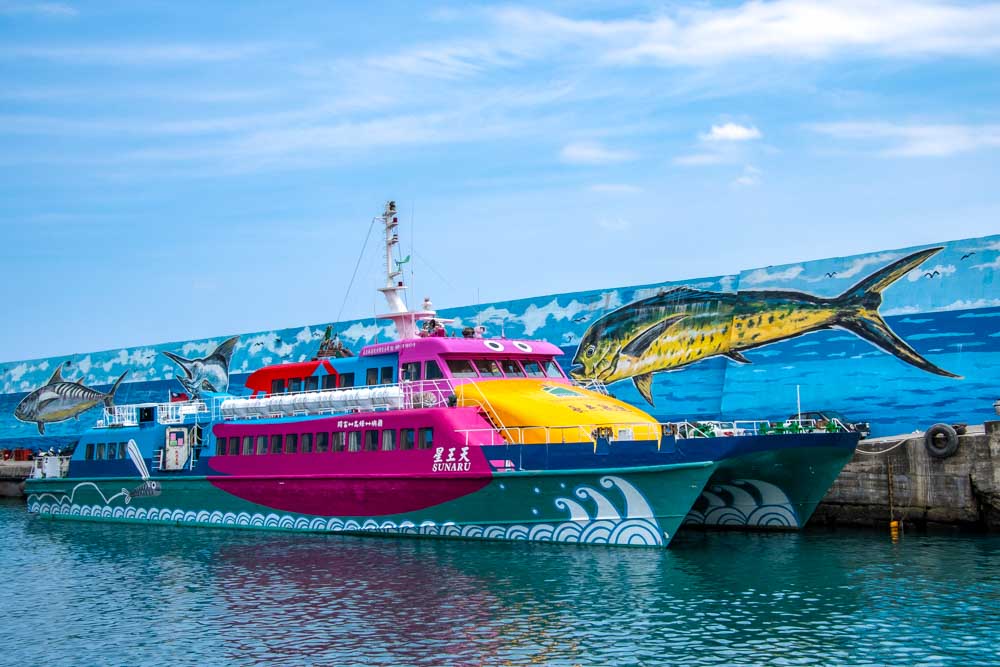
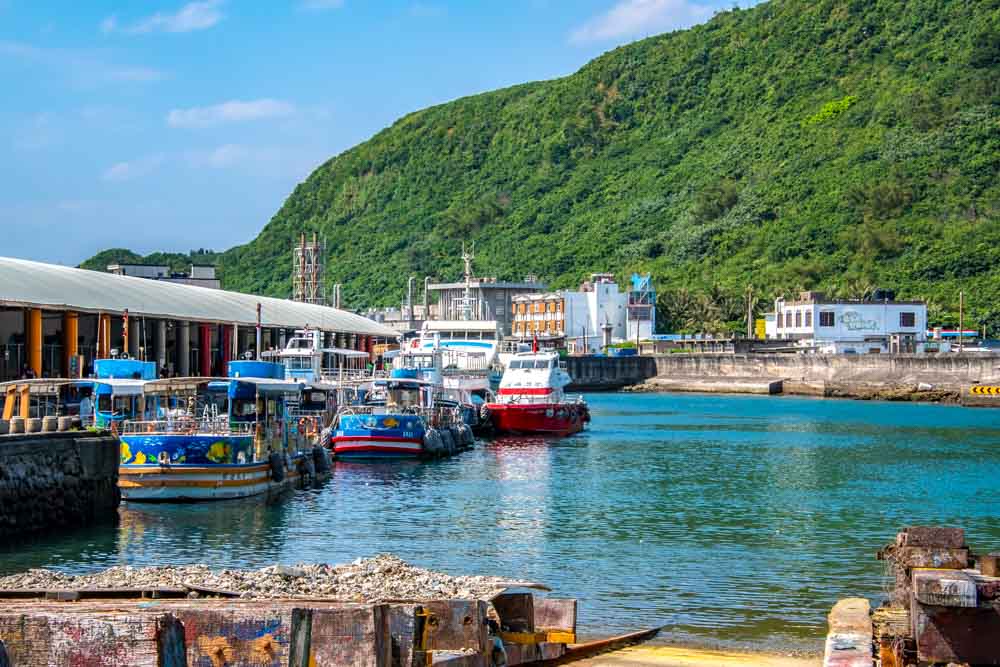
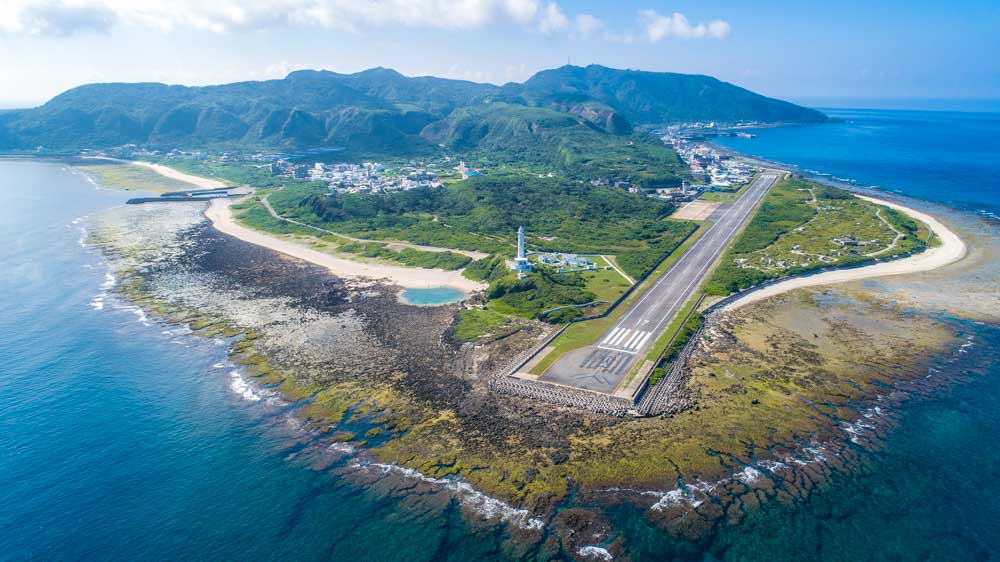
A volcanic outcrop surrounded by the Philippine Sea’s clear blue waters, Green Island is a short 40-minute sailing or 20-minute flight away from the Taiwan mainland. Extensive coral reefs lie beneath the surface of the surrounding waters, while above the waterline, life is laid-back — if you like your weekend getaways to be sun-kissed and saltwater-scented, this will be right up your alley.
Travelers who are somewhat au fait with Taiwan’s travel landscape know that Kenting National Park at the southern tip of the main island and the Penghu archipelago in the Taiwan Strait are where most go for ocean-based fun, but anyone with a serious interest in underwater pursuits will tell you Green Island is where it’s really at. With sea temperatures of 20-29°C year-round and underwater visibility regularly exceeding 30 meters, it’s easy to see the appeal.
Things to Do
Peak season runs April through September, when favorable weather conditions make for glassy water and all dive sites are accessible (monsoon winds render the northeastern waters off-bounds October through March). During this window, racks of drying gear stand outside every dive school, and the shallows teem with shoals of be(wet)suited snorkelers.
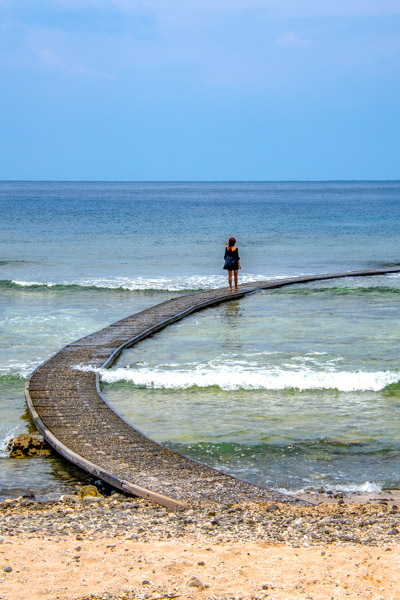
Shilang Diving Area, on the island’s sheltered western coast, is an easy entry point for those with little to no experience. Accessed from the shore via a long walkway, the area is home to both hard and soft corals, as well as a colorful lineup of aquatic life. Some of the more photogenic species include green sea turtles (important note: never touch these turtles; hefty fines await those who do!), leopard wrasses, Spanish dancer nudibranchs, moorish idols, and regal angelfish. It’s also a popular place for people to dip a toe in the night-diving scene – but beware, you will never unsee the sight of hundreds of glowing shrimp eyes staring back at you.
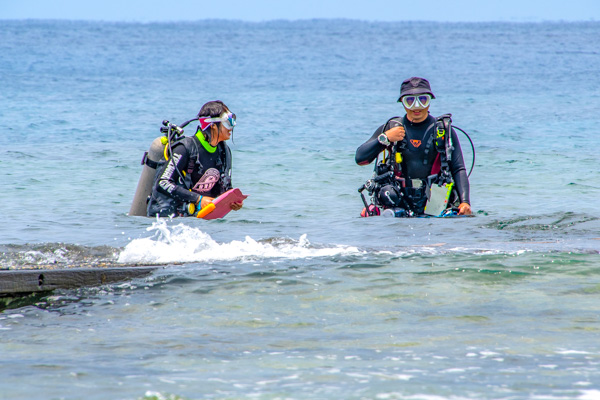
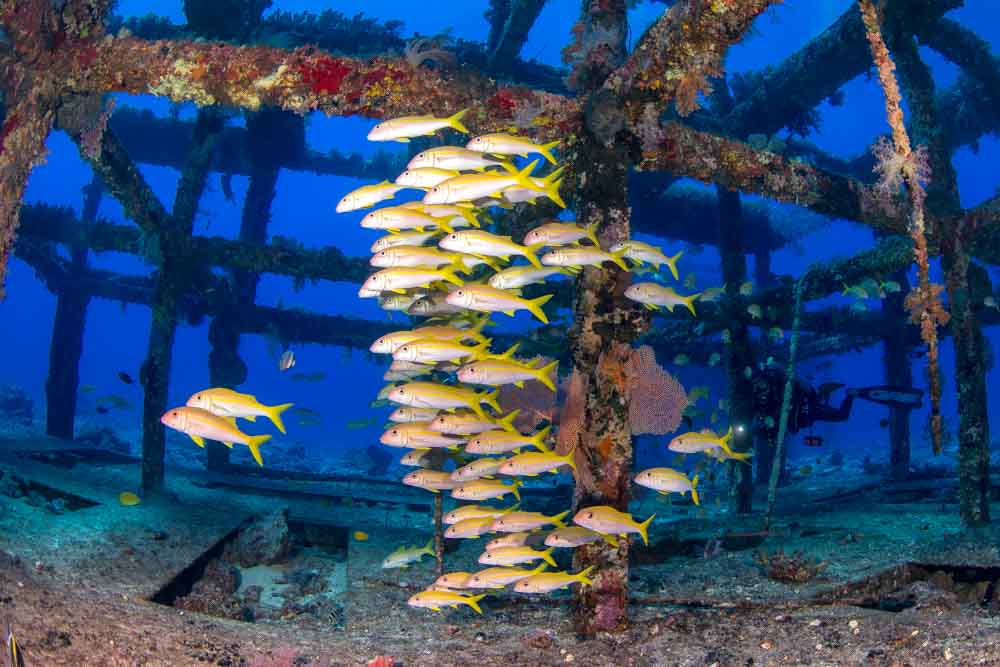
Most dramatic among the shore-dive locations is a submarine cavern just off a beach named Dabaisha (“Big White Sand”), northwest of the island’s southern tip, known as the Cathedral, into which shafts of light penetrate, creating an otherworldly scene. Offshore, boat-dive options are even more numerous and varied. Sites like Steel Reef, further out from Dabaisha, with its friendly batfish, suit intermediate divers, while more experienced divers can brave the deeper waters of sites like the Great Canyon, off the north coast, to watch migratory fish chow down on the feast brought in by the Kuroshio current.
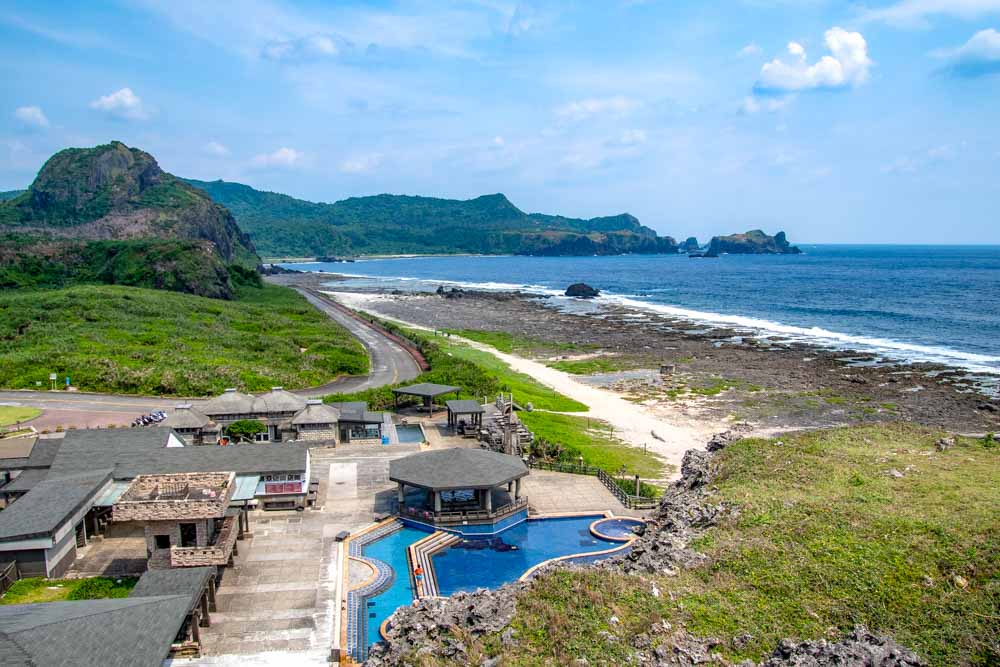
Of course, for some (this writer included), the idea of plumbing the deep blue is ominous rather than enthralling – thankfully, for these folks, Green Island has an even more beginner-friendly place to dive into the local waters: the Zhaori Hot Springs. One of just three saltwater hot springs globally, this outdoor facility has rather unusual opening times. Each day’s first session runs from pre-dawn (precise hours shift with the season) to 11am, allowing early dippers to soak in the shoreline pools as the sun emerges from the ocean, with a later 4-11pm session for stargazing night owls.
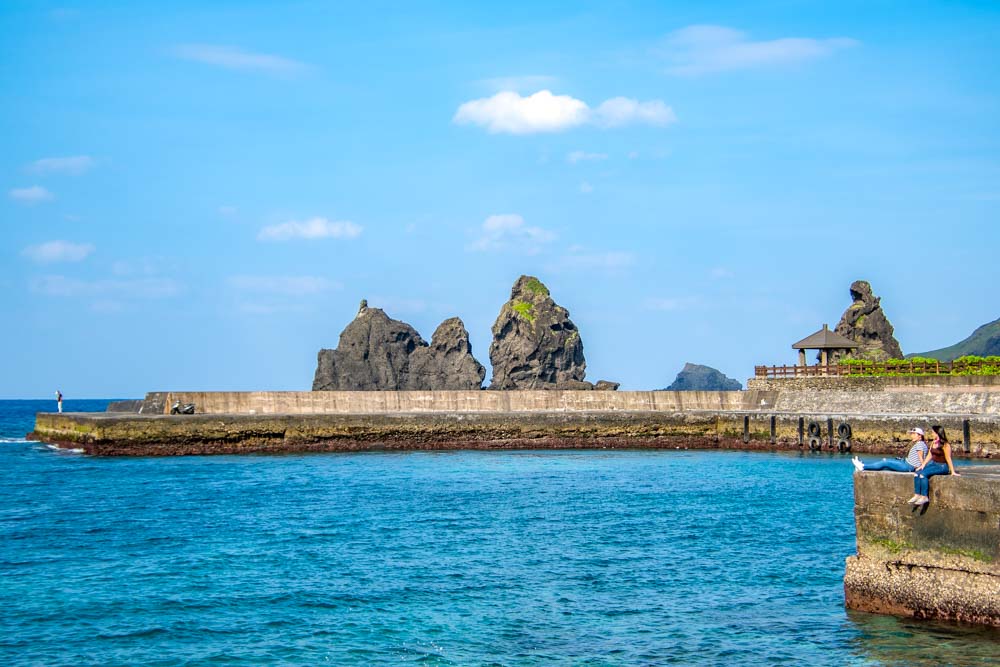
Scenic Attractions
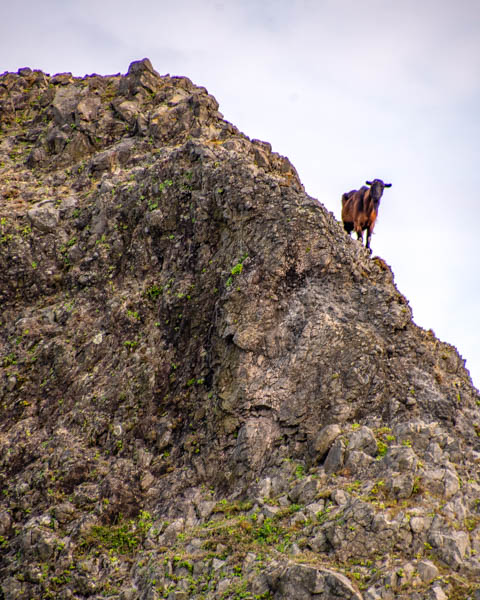
The first thing most people do when they arrive on Green Island is arrange a set of wheels for their stay (online, you can prebook packages that include scooter rentals plus ferry tickets, and/or transfer from Taitung Railway Station). Only scooters and e-bikes are available, but given that it takes less than an hour to circumnavigate the 16.3-kilometer round-island road by scooter, two wheels are ample. In fact, completing a full loop is a great way to learn the lay of the land. Just be sure to take it slow – on daytime rides, I have found myself sharing the road with goats, deer, chickens, geese, and on one occasion the cutest little drove of piebald piglets, while after nightfall, the island’s protected land crabs command right of way.
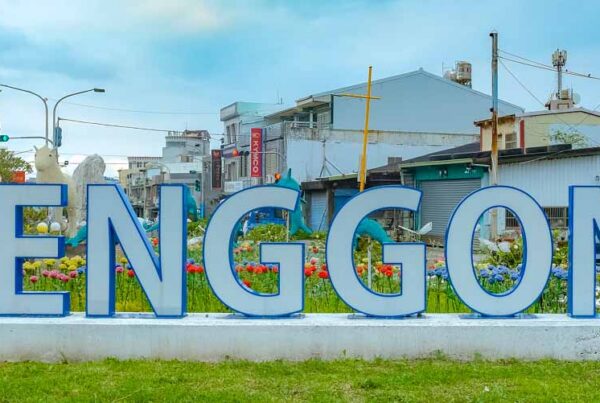
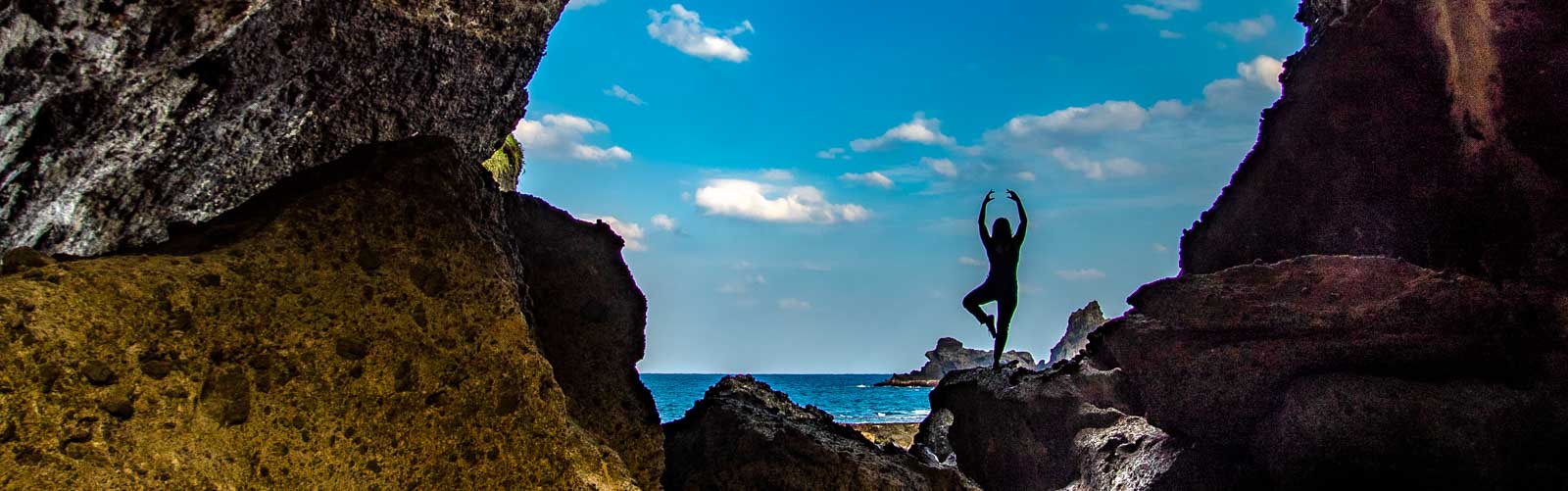
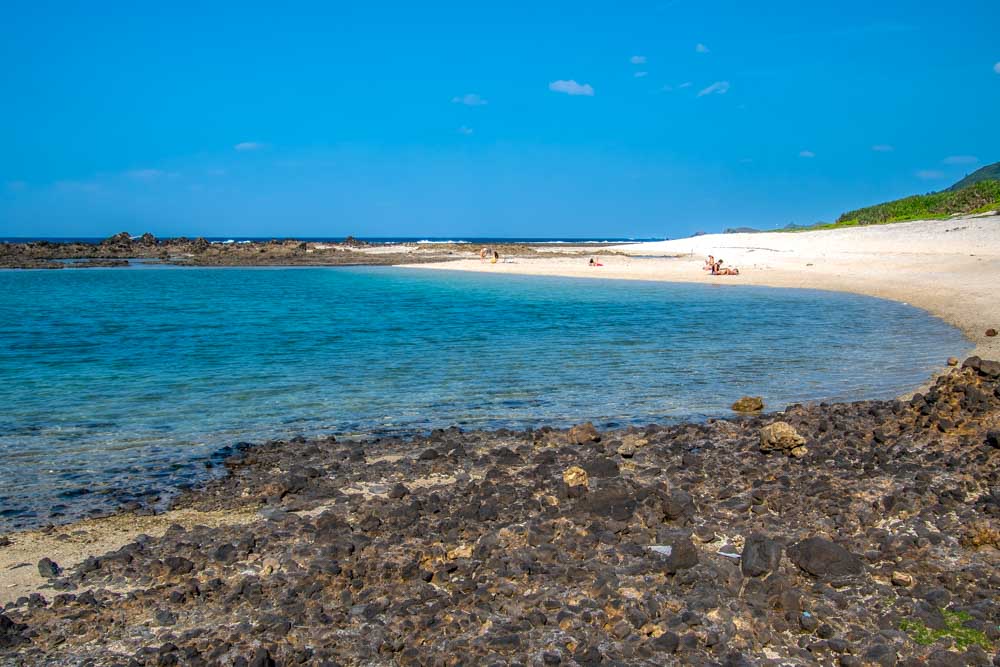
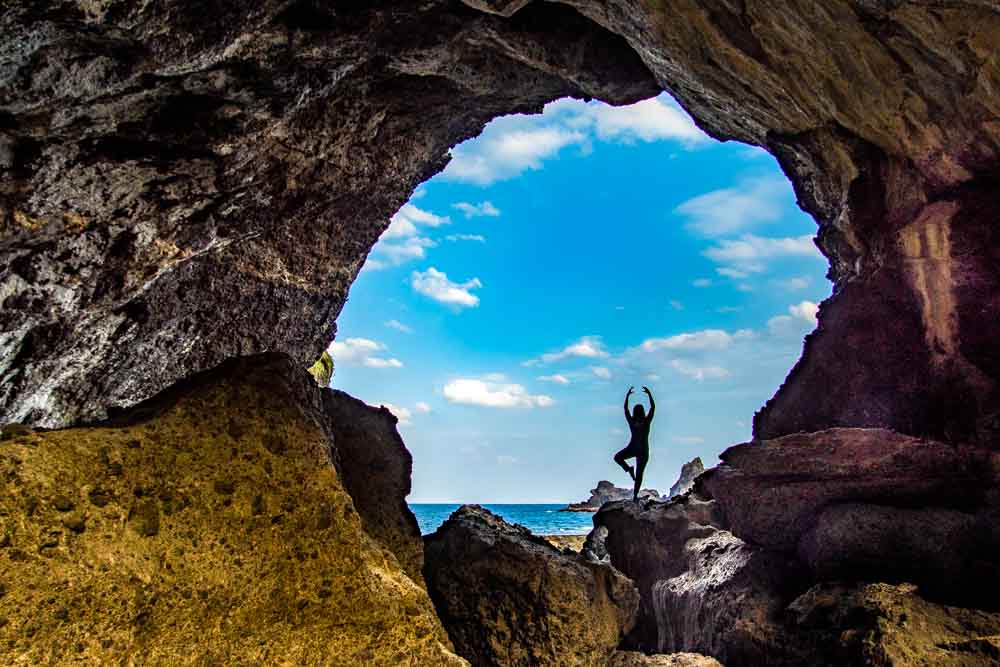
One spot that’s ripe for deeper exploration is Youzihu, a cove that’s separated from the road by scrubland-capped bluffs. Here, the small dramas of intertidal life play out amid rockpools pitting the fossilized-coral foreshore, and a short walk away, the dramatic arch of Wangong Cave (technically a sea arch rather than a true cave) provides a striking natural frame for holiday snaps. Steps inland from the Youzihu shoreline, you can visit the remains of a now-abandoned village – coral-rock walls holding up the skeletons of former roofs. Much of what can currently be seen at the site was built by fisherfolk who settled here at the turn of the nineteenth century, but archeologists have found pottery, burial mounds, and other artifacts that suggest prehistoric habitation by people who were in trading contact with peer populations on Taiwan’s main island.
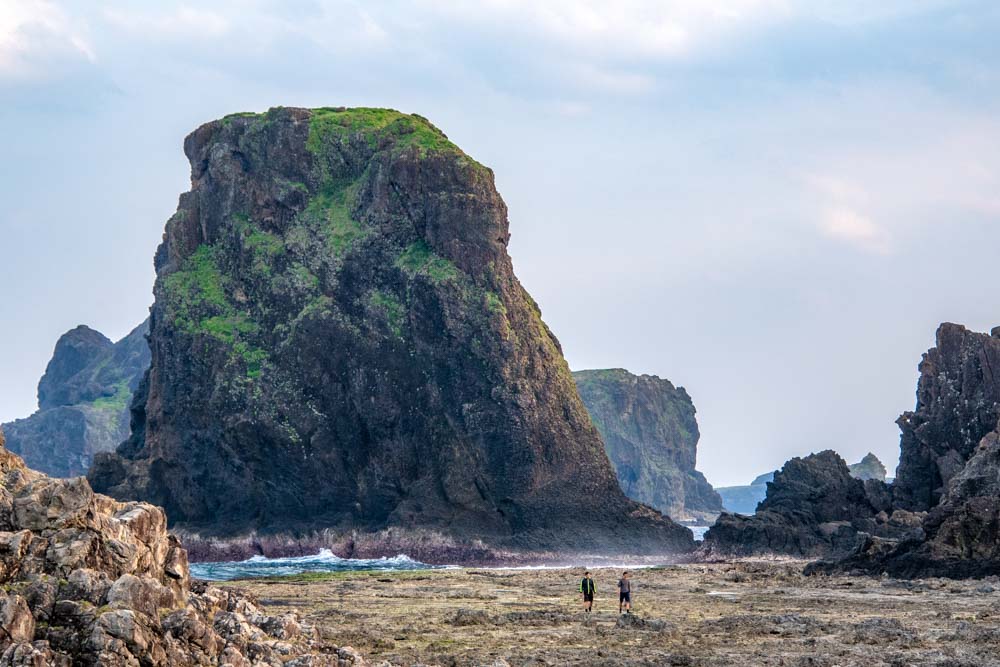
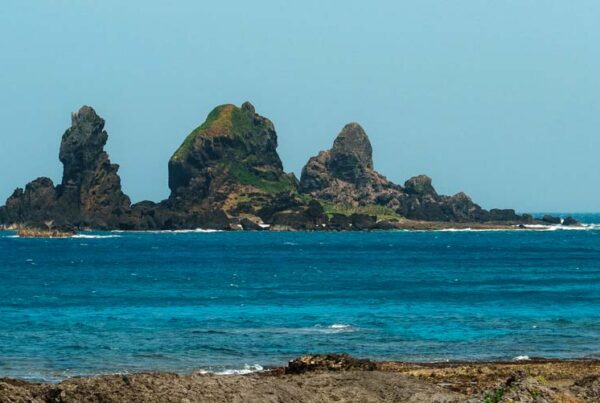
Just north of Youzihu is Niutoushan, a headland with rolling meadows shorn to a short fuzz by wind and deer, and a rock that locals have decided looks like a recumbent Snoopy. On clear mornings, its east-northeast aspect draws a small crowd of sunrise lovers, eager to greet the first golden rays of the day.
Elsewhere, hiking trails with varying degrees of difficulty offer pleasant diversions. I managed to squeeze in three walks during a recent brief visit, the shortest and easiest of which was a stroll along Green Island’s Little Great Wall, a headland on the west coast. Though inarguably lacking the grand scale of its namesake, the 300-meter walkway offers views of several enigmatic rock formations and is another prime sunrise-viewing location.
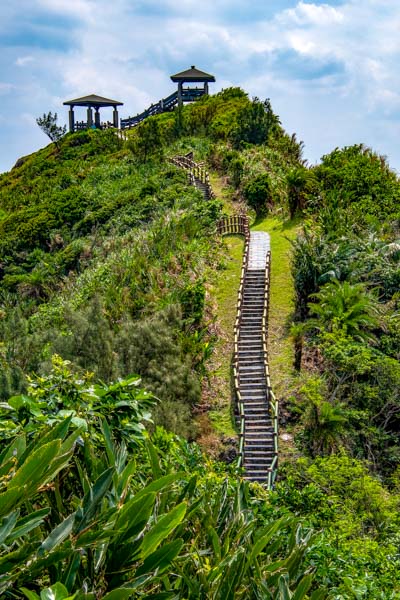
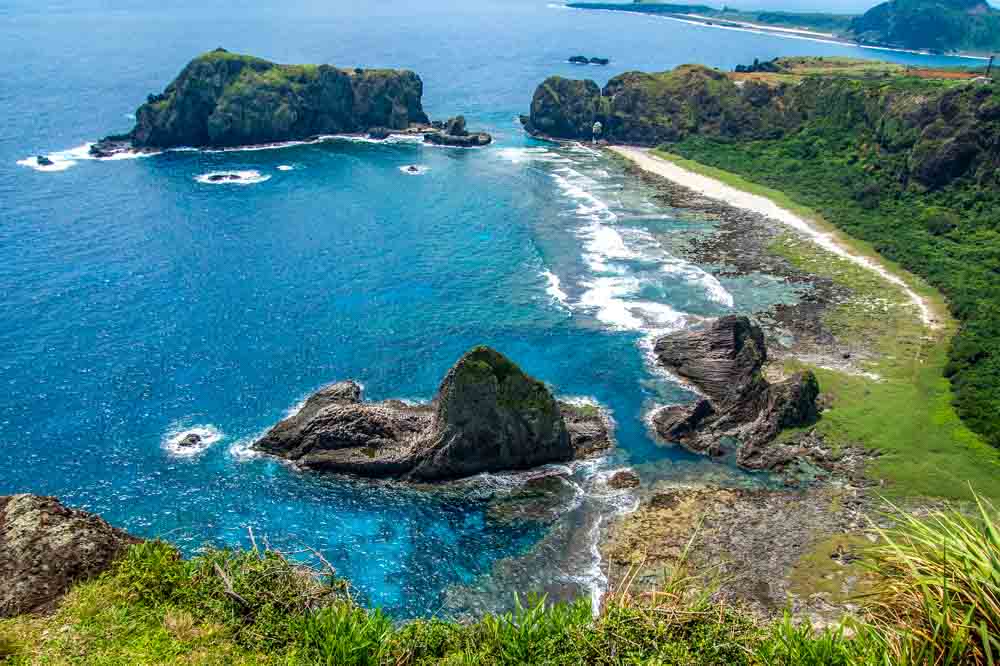
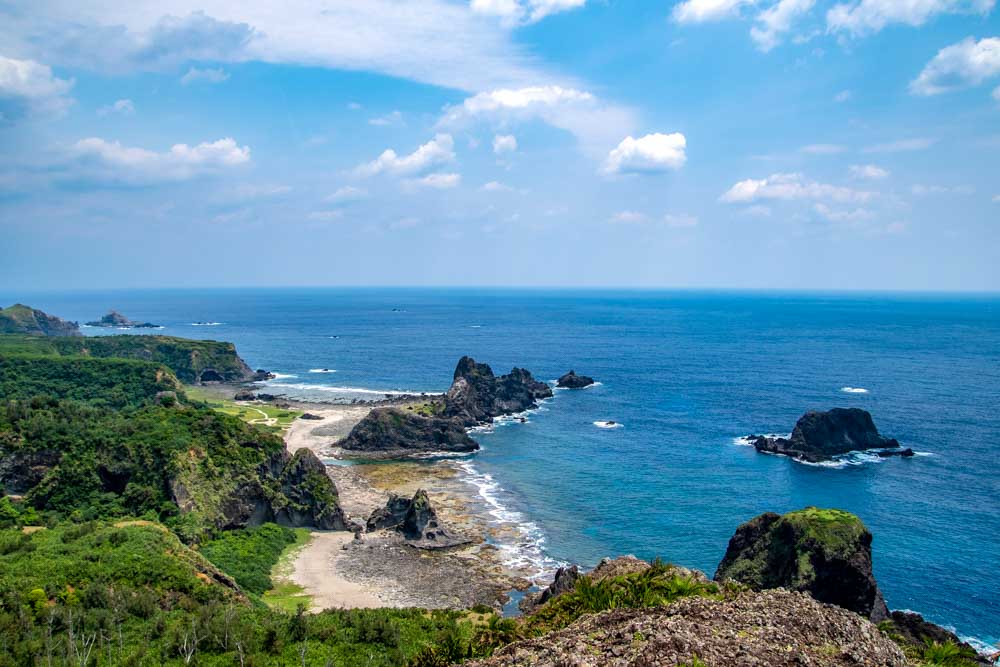
Two more trails start close to the settlement of Wenquan on the east coast. On the Coastal Viewing Trail, switch-backing boardwalk steps climb through jaggedly volcanic rocks. The flora – usually the softener of harsh landscapes – proves equally spikey, with vicious screw pine and white-flowered Japanese thistle lining the path.
For something longer, you can take on the two-hour trek to the island’s highest peak, Mt. Amei in the island’s middle, following the Across Mountain Ancient Trail. I timed my arrival at the summit to coincide with sunset, enjoying watching the sky fade from a coral blush through bruise purple to a luminous post-sunset blue, and seeing the lights of the mainland’s Taitung City glitter far off over the water. Muntjac eyes reflected the beam of my headtorch as I descended, and I also crossed paths with a couple of purple-hued hermit crabs. If I visit again, I would definitely join one of the island’s night-time eco-tours (bookable via Klook) – Green Island is also home to several other interesting animals, like sika deer, juvenile coconut crabs, and Formosan fruit bats, and a guided tour with a local expert offers your best chance of seeing them.
Two final notes: Take cash – few (if any) places accept foreign credit cards. Also, your experience of Green Island will vary greatly depending on when you visit. During dive season, you can expect roads and restaurants to be busy, but during a visit last December, fellow travelers were few and far between. This, though it limits dining opportunities, is hard to beat if you’re feeling in need of some enforced relaxation.
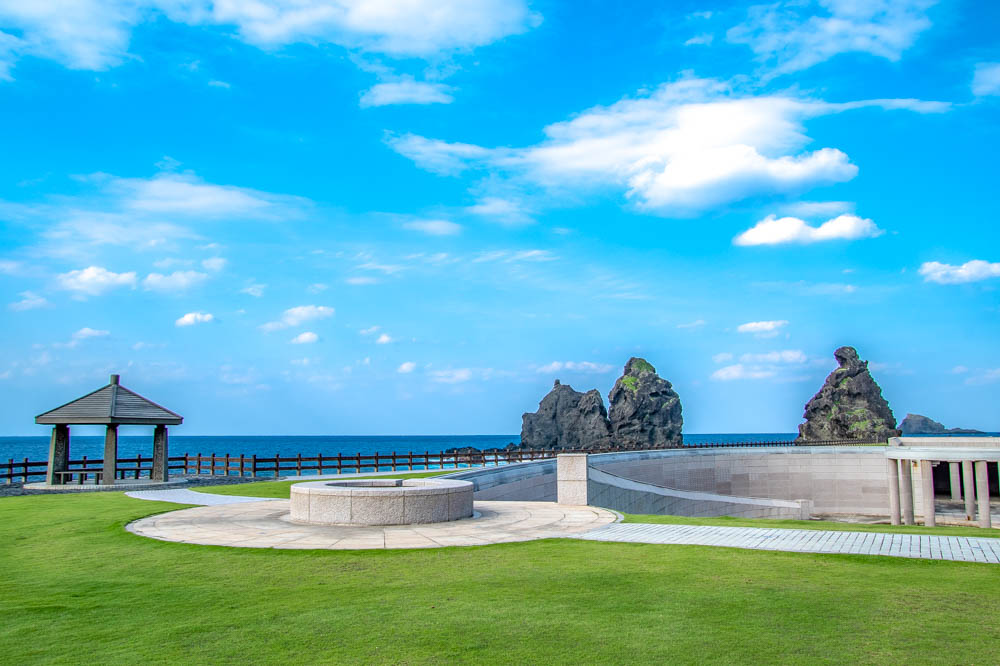
| National Human Rights Museum An unexpected highlight of my most recent visit to Green Island for me was time spent at the National Human Rights Museum. Occupying the length of a windswept bay near the village of Gongguan, the former detention center for political prisoners has been converted into a museum to confront its grim legacy. Modern modifications are minimal, meaning visitors can sense a ghostly echo of the structural brutality; propaganda slogans stain the weathered concrete, and traces of long-gone prisoners’ doodles mark cell walls — all the more suffocating in the face of the ocean’s sublime indifference. www.nhrm.gov.tw |
About the author